
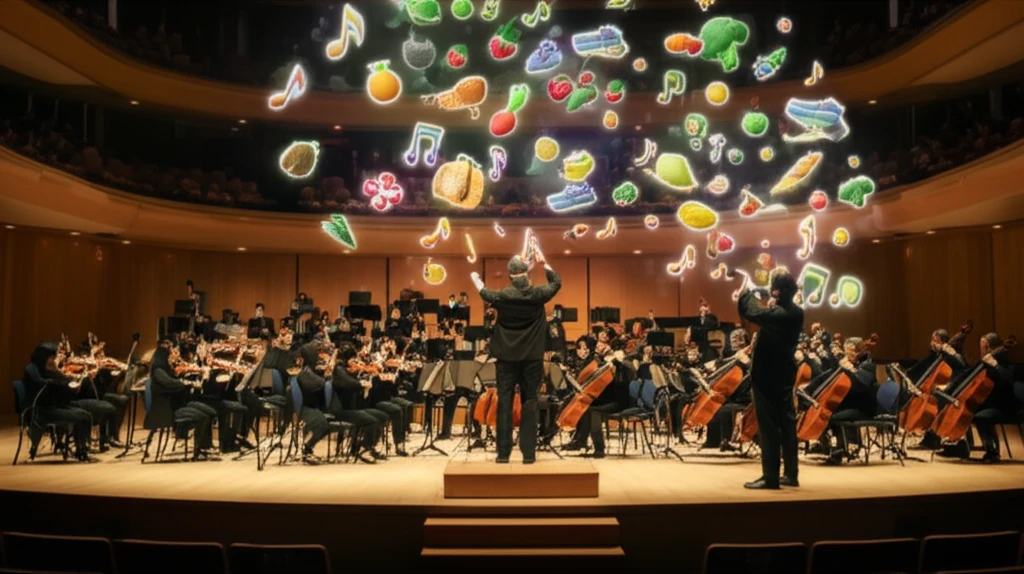
A vibrant orchestra performing inside a human heart, symbolizing the integration of music and cardiovascular health.

Harmonizing Hearts: Can Music Collaboration Boost Community Cardiovascular Knowledge?

"Discover how an interprofessional approach using music can strike a chord in educating communities about heart health and preventive care."


Cardiovascular disease (CVD) remains a leading health challenge in the United States, contributing significantly to morbidity and mortality. Despite advances in treatment, the economic burden and the prevalence of CVD highlight the urgent need for effective prevention strategies. Central to these strategies is promoting public awareness and education about cardiovascular health, encouraging behaviors that mitigate risk factors such as high blood pressure, elevated cholesterol, and diabetes.

Innovative approaches are essential to capturing public interest and enhancing understanding of heart health. Traditional methods of health education often fall short of engaging diverse populations effectively. Consequently, there is a growing emphasis on integrating arts and humanities into health interventions to foster greater awareness and promote proactive health behaviors. Music, in particular, offers a unique medium for conveying health messages, appealing to emotions and creating memorable learning experiences.

The 'Rhythms of the Heart' project, initiated by Florida Southern College, exemplifies such an innovative approach. This interprofessional collaboration, involving faculty and students from music, nursing, athletic training, and community health, sought to use a musical performance to educate community members about cardiovascular health. By combining an orchestral concert with health screenings and educational activities, the project aimed to resonate with a broad audience, fostering a deeper understanding of heart health and encouraging preventive measures.

Orchestrating Community Health: How 'Rhythms of the Heart' Made a Difference

A vibrant orchestra performing inside a human heart, symbolizing the integration of music and cardiovascular health.

The 'Rhythms of the Heart' project was meticulously designed to maximize community engagement and educational impact. The initiative leveraged an interprofessional team comprising university faculty, undergraduate students, and community health professionals. This collaborative approach ensured a well-rounded perspective on cardiovascular health, integrating both clinical and artistic expertise.

Key components of the project included:

  • A carefully curated orchestral concert featuring pieces selected to reflect various heart rhythms.
  • Pre-concert activities such as blood pressure screenings, BMI analysis, and informational booths offering guidance on healthy eating and stress reduction.
  • A lecture by a cardiologist who discussed the significance of heart health and provided insights into preventive measures.
The event attracted approximately 275 guests, including students, faculty, and community members. Feedback from attendees indicated a greater appreciation for the use of music in enhancing understanding of cardiovascular health. Participants found the concert to be engaging and informative, with many expressing that the musical selections correlated well with specific heart sounds and rhythms. The interdisciplinary nature of the project was also lauded, as it fostered a collaborative environment where students from diverse fields could learn from one another.

Striking a Harmonious Chord: Lessons Learned and Future Directions

The 'Rhythms of the Heart' project underscores the potential of interdisciplinary collaborations to enhance community health education. By integrating music with health screenings and expert lectures, the initiative successfully engaged a diverse audience, fostering a deeper understanding of cardiovascular health. While the project demonstrated notable success, it also highlighted areas for improvement. Strengthening interprofessional collaboration among students, tailoring musical selections to appeal to younger audiences, and enhancing community outreach efforts were identified as key priorities for future iterations.

About this Article -

This article was crafted using a human-AI hybrid and collaborative approach. AI assisted our team with initial drafting, research insights, identifying key questions, and image generation. Our human editors guided topic selection, defined the angle, structured the content, ensured factual accuracy and relevance, refined the tone, and conducted thorough editing to deliver helpful, high-quality information.See our About page for more information.

Everything You Need To Know

1

What is the 'Rhythms of the Heart' initiative and what was its main goal?

The 'Rhythms of the Heart' initiative, spearheaded by Florida Southern College, was designed to educate community members about cardiovascular health using a musical performance. Its primary goal was to enhance cardiovascular awareness and promote healthier lifestyles within diverse communities by combining an orchestral concert with health screenings and educational activities. The project aimed to leverage the emotional and memorable qualities of music to engage a broad audience in learning about heart health and preventive measures.

2

How did the 'Rhythms of the Heart' project incorporate different academic disciplines?

The 'Rhythms of the Heart' project was a true interprofessional collaboration, involving faculty and students from multiple fields including music, nursing, athletic training, and community health. This interdisciplinary approach ensured a well-rounded perspective on cardiovascular health, integrating both clinical and artistic expertise. The project's success was, in part, due to the different perspectives and skills each discipline brought to the table, creating a more engaging and informative experience for the community.

3

What specific activities took place during the 'Rhythms of the Heart' event to educate the public on heart health?

The event featured a combination of activities designed to educate the public about cardiovascular health. These included a carefully curated orchestral concert with pieces selected to reflect various heart rhythms, pre-concert activities such as blood pressure screenings and BMI analysis, and informational booths offering guidance on healthy eating and stress reduction. Additionally, a cardiologist delivered a lecture, discussing the significance of heart health and providing insights into preventive measures. These varied approaches aimed to provide a comprehensive understanding of heart health to the attendees.

4

What were the key takeaways and lessons learned from the 'Rhythms of the Heart' project?

The 'Rhythms of the Heart' project highlighted the potential of interdisciplinary collaborations in community health education. It successfully engaged a diverse audience and fostered a deeper understanding of cardiovascular health through the integration of music, health screenings, and expert lectures. The project also revealed areas for improvement, such as the need to strengthen interprofessional collaboration among students, tailor musical selections to appeal to younger audiences, and enhance community outreach efforts for future iterations.

5

In what ways could 'Rhythms of the Heart' be improved in the future, according to the project's findings?

Based on the experience, several areas for improvement were identified for future iterations of the 'Rhythms of the Heart' project. These included strengthening interprofessional collaboration among students to enhance the teamwork and knowledge sharing. Another area was tailoring the musical selections to better appeal to younger audiences, increasing engagement. Finally, the initiative recognized the need to enhance community outreach efforts to attract a larger and more diverse audience, thus amplifying the impact of the cardiovascular health education.

Newsletter Subscribe

Subscribe to get the latest articles and insights directly in your inbox.