
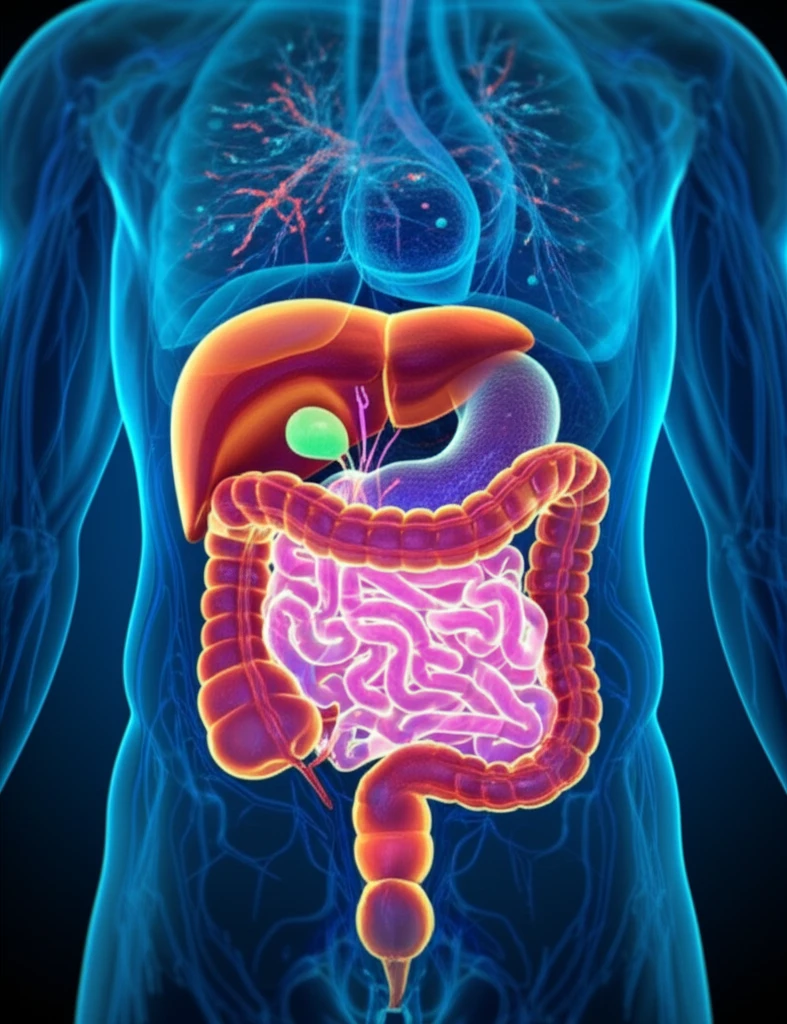
Digital illustration of the human digestive system and liver, emphasizing the gut-liver axis.

Gut Microbiota and Cirrhosis: How Gut Health Impacts Liver Disease Outcomes

"New research highlights the critical link between gut health, liver disease progression, and the potential for targeted interventions."


In the realm of healthcare, understanding the intricate relationship between our internal systems is paramount. Emerging research continues to unveil the profound impact of the gut microbiome on overall health, extending its influence far beyond digestive processes. A recent study has brought to light a critical connection between the gut microbiota and the progression of liver disease, particularly cirrhosis. This research offers a promising avenue for improving patient outcomes through targeted interventions.

Cirrhosis, a severe form of liver disease characterized by scarring, presents significant challenges for patients. The condition often leads to complications such as organ failure, intensive care unit (ICU) stays, and increased mortality rates. However, a new study published in the journal Clinical Gastroenterology and Hepatology sheds light on a previously underappreciated factor: the composition of the gut microbiota. This research emphasizes the importance of gut health in the context of cirrhosis.

This article delves into the findings of this study, examining how the gut microbiome impacts the outcomes of patients with cirrhosis. We'll explore the role of gut dysbiosis, the imbalance of gut bacteria, in the development of organ failures, the need for intensive care, and the risk of mortality. Additionally, we'll discuss the potential for innovative strategies to improve patient outcomes by addressing gut health. The research highlights the importance of understanding the gut-liver axis in the treatment of cirrhosis.

Unveiling the Gut-Liver Axis: The Role of Gut Microbiota in Cirrhosis

Digital illustration of the human digestive system and liver, emphasizing the gut-liver axis.

The gut microbiome, a complex ecosystem of microorganisms residing in the digestive tract, plays a crucial role in maintaining overall health. It influences everything from nutrient absorption to immune function. However, when the gut microbiome becomes imbalanced, a condition known as dysbiosis, it can significantly impact various health conditions, including liver disease. In the case of cirrhosis, dysbiosis can exacerbate the disease's progression and lead to severe complications.

The study investigated the gut microbiota of 181 patients with cirrhosis, analyzing stool samples collected upon hospital admission. Researchers examined the diversity and composition of the gut bacteria, looking for correlations with patient outcomes over a 30-day period. The findings revealed significant differences in the gut microbiomes of patients who experienced adverse outcomes compared to those who did not. These outcomes included organ failure, the need for intensive care, and mortality.

  • Dysbiosis and Organ Failure: The study found that an imbalanced gut microbiota was associated with an increased risk of organ failure in patients with cirrhosis.
  • Impact on Intensive Care: Patients with gut dysbiosis were more likely to require admission to the ICU, indicating a poorer prognosis.
  • Increased Mortality Risk: The composition of the gut microbiota was linked to an increased risk of mortality within 30 days of hospital admission.
The research underscores the importance of the gut-liver axis, highlighting how the health of the gut directly influences the progression and outcomes of liver disease. The study's findings provide a compelling argument for the need to consider gut health as a key factor in managing and treating cirrhosis. By focusing on the gut, healthcare professionals may be able to develop strategies to improve the prognosis for patients with this challenging condition. The study reveals the potential of the gut microbiota to serve as a prognostic factor and a target for therapeutic interventions.

Looking Ahead: Strategies to Improve Outcomes in Cirrhosis

The research suggests that strategies to reduce gut dysbiosis may improve outcomes for patients with cirrhosis. As the study highlights the critical role of the gut microbiome in liver disease, it opens up new avenues for therapeutic interventions. Further research is needed to explore targeted approaches, such as dietary modifications, prebiotics, probiotics, and other interventions that can restore balance to the gut microbiota. With this knowledge, clinicians can potentially improve the prognosis for patients with cirrhosis. By understanding the gut-liver axis and its impact on liver disease, researchers and healthcare providers can move forward. The research is a step towards improving the lives of those affected by this condition.

About this Article -

This article was crafted using a human-AI hybrid and collaborative approach. AI assisted our team with initial drafting, research insights, identifying key questions, and image generation. Our human editors guided topic selection, defined the angle, structured the content, ensured factual accuracy and relevance, refined the tone, and conducted thorough editing to deliver helpful, high-quality information.See our About page for more information.

This article is based on research published under:

DOI-LINK: 10.1016/j.cgh.2018.07.022, Alternate LINK

Title: Association Between Intestinal Microbiota Collected At Hospital Admission And Outcomes Of Patients With Cirrhosis

Subject: Gastroenterology

Journal: Clinical Gastroenterology and Hepatology

Publisher: Elsevier BV

Authors: Jasmohan S. Bajaj, Hugo E. Vargas, K. Rajender Reddy, Jennifer C. Lai, Jacqueline G. O’Leary, Puneeta Tandon, Florence Wong, Robert Mitrani, Melanie B. White, Megan Kelly, Andrew Fagan, Rohan Patil, Shaimaa Sait, Masoumeh Sikaroodi, Leroy R. Thacker, Patrick M. Gillevet

Published: 2019-03-01

Everything You Need To Know

1

What is the relationship between gut health and cirrhosis?

Research indicates a significant connection between the gut microbiota and the progression of cirrhosis. Gut dysbiosis, an imbalance in the gut bacteria, can exacerbate liver disease, leading to complications like organ failure, increased need for intensive care, and a higher risk of mortality. This highlights the importance of the gut-liver axis in understanding and treating cirrhosis.

2

How does gut dysbiosis impact patients with cirrhosis?

Gut dysbiosis can have several negative effects on individuals with cirrhosis. It has been linked to an increased risk of organ failure, a greater likelihood of requiring admission to the ICU, and an elevated risk of mortality within 30 days of hospital admission. These findings underscore the importance of a balanced gut microbiome in managing the disease and its complications.

3

What is the gut-liver axis, and why is it important in the context of cirrhosis?

The gut-liver axis refers to the bidirectional communication and interaction between the gut microbiome and the liver. The health of the gut directly influences the liver and vice versa. In cirrhosis, this axis is particularly important because gut dysbiosis can worsen liver disease progression and outcomes. Understanding this relationship is crucial for developing targeted therapies that address both gut health and liver function.

4

What therapeutic strategies are being explored to improve outcomes for cirrhosis patients by targeting the gut microbiome?

Strategies to reduce gut dysbiosis may improve outcomes for patients with cirrhosis. Some approaches under consideration include dietary modifications to promote beneficial bacteria, the use of prebiotics to nourish existing good bacteria, and probiotics to introduce beneficial bacteria directly into the gut. Further research is needed to explore these and other interventions to restore balance to the gut microbiota and improve the prognosis for individuals with cirrhosis.

5

Beyond prebiotics and probiotics, what other interventions might help manage gut dysbiosis in cirrhosis, and what are their potential implications?

While prebiotics and probiotics show promise, other interventions, such as fecal microbiota transplantation (FMT) and targeted antibiotic therapies to reduce harmful bacteria, are also being explored. FMT involves transferring fecal matter from a healthy donor to the recipient, aiming to restore a balanced gut microbiome. The implications of successfully modulating the gut microbiome in cirrhosis extend beyond just liver health; it could potentially reduce systemic inflammation, improve immune function, and even influence cognitive function, as the gut-brain axis is also interconnected. However, rigorous clinical trials are needed to fully evaluate the safety and efficacy of these advanced interventions.

Newsletter Subscribe

Subscribe to get the latest articles and insights directly in your inbox.