
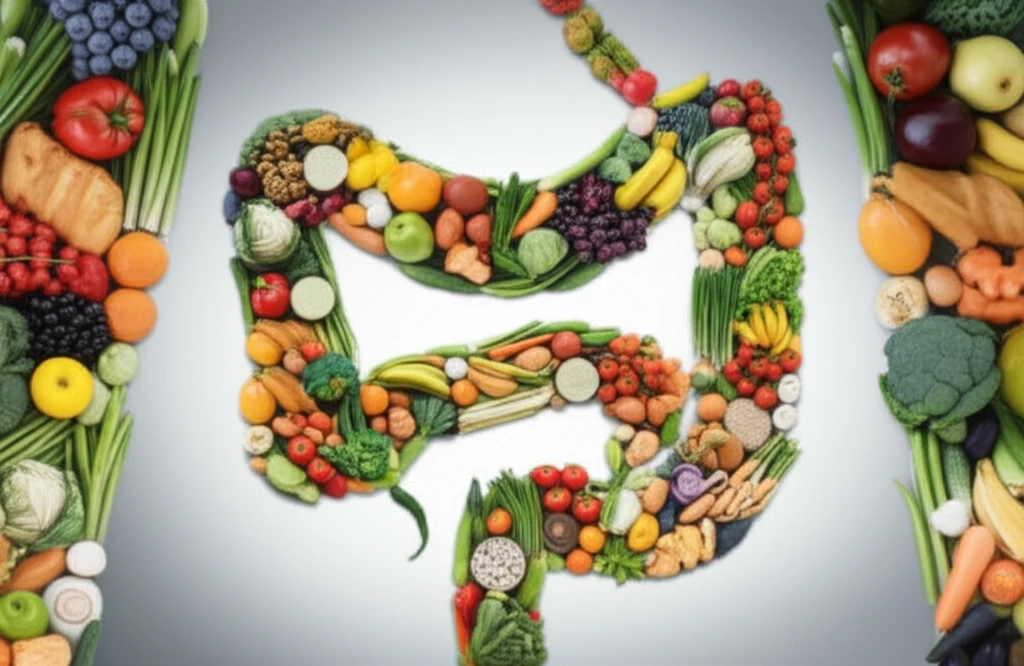
Surreal illustration of healthy foods forming a digestive system landscape.

Gut Instinct: How Diet Can Tame Inflammatory Bowel Disease

"Decoding the dietary maze of Crohn's and colitis for better gut health."


Inflammatory bowel disease (IBD), encompassing conditions like Crohn's disease and ulcerative colitis, presents a complex challenge. It's not just about genetics or gut bacteria; what you eat significantly influences the disease's trajectory. While there's no one-size-fits-all IBD diet, understanding the impact of various foods can empower you to take control of your gut health.

For years, dietary factors in IBD were often underestimated. Now, research highlights specific foods that can either exacerbate or soothe inflammation. This article translates the latest findings into practical dietary strategies, helping you navigate the confusing world of IBD nutrition.

We'll explore how different foods affect IBD, debunk common dietary myths, and provide actionable advice for creating a personalized eating plan. Whether you're newly diagnosed or seeking to optimize your current management strategy, this guide will equip you with the knowledge to make informed dietary choices.

The Good, the Bad, and the Gassy: Dietary Factors in IBD

Surreal illustration of healthy foods forming a digestive system landscape.

Research suggests that certain dietary patterns can influence IBD development and severity. Understanding these links is the first step in tailoring your diet for better gut health.

Here's a breakdown of key dietary factors and their potential impact on IBD:

  • Foods to Favor: A high-fiber diet (especially from fruits), Vitamin C and magnesium-rich foods.
  • Foods to Approach with Caution: High saturated fat and animal fats, Linoleic and arachidonic acids, High intake of monosaccharides.
  • The Fiber Paradox: During IBD flare-ups, low fiber diets are often recommended. However, in periods of remission, fiber can be beneficial for many, but must be approached carefully and individually.
Remember, everyone's gut is unique. What works wonders for one person might trigger symptoms in another. Careful experimentation and tracking are essential to identify your individual trigger foods and beneficial choices.

Your Gut, Your Rules: Personalizing Your IBD Diet

There's no magic bullet for IBD. Managing the condition effectively requires a personalized approach, acknowledging your unique disease presentation, medical history, and individual responses to food.

Consulting a registered dietitian specializing in IBD can be invaluable. They can help you:

<ul><li>Identify trigger foods through elimination diets and food diaries.</li><li>Develop a balanced eating plan that meets your nutritional needs and minimizes symptoms.</li><li>Manage dietary restrictions and prevent nutrient deficiencies.</li><li>Navigate special diets like the Specific Carbohydrate Diet (SCD) or low-FODMAP diet, if appropriate.</li></ul>

About this Article -

This article was crafted using a human-AI hybrid and collaborative approach. AI assisted our team with initial drafting, research insights, identifying key questions, and image generation. Our human editors guided topic selection, defined the angle, structured the content, ensured factual accuracy and relevance, refined the tone, and conducted thorough editing to deliver helpful, high-quality information.See our About page for more information.

This article is based on research published under:

DOI-LINK: 10.3748/wjg.v22.i3.895, Alternate LINK

Title: Diet And Nutritional Factors In Inflammatory Bowel Diseases

Subject: Gastroenterology

Journal: World Journal of Gastroenterology

Publisher: Baishideng Publishing Group Inc.

Authors: Danuta Owczarek

Published: 2016-01-01

Everything You Need To Know

1

What is the core relationship between diet and Inflammatory Bowel Disease?

Inflammatory Bowel Disease (IBD), which includes Crohn's disease and ulcerative colitis, is significantly influenced by diet. While genetics and gut bacteria play a role, what you eat directly affects the disease's progression. By understanding how different foods impact IBD, you can personalize your eating plan to manage symptoms and improve your quality of life. Therefore, understanding the dietary factors is the first step in tailoring your diet for better gut health.

2

What types of foods should people with Inflammatory Bowel Disease be aware of?

Certain dietary patterns can influence the development and severity of IBD. Foods to favor include a high-fiber diet, especially from fruits, as well as foods rich in Vitamin C and magnesium. Foods to approach with caution include high saturated fat and animal fats, Linoleic and arachidonic acids, and a high intake of monosaccharides. This understanding is critical for creating a personalized eating plan and navigating the complexities of IBD nutrition.

3

What is the Fiber Paradox in relation to Inflammatory Bowel Disease?

During IBD flare-ups, low-fiber diets are often recommended to reduce symptoms. However, during periods of remission, fiber can be beneficial for many individuals with IBD. The Fiber Paradox highlights that fiber's impact varies from person to person. It's essential to approach fiber intake carefully and individually, understanding that what works for one person might trigger symptoms in another.

4

Why is it important to personalize a diet for Inflammatory Bowel Disease?

Personalizing your IBD diet is crucial because there is no universal solution. This involves considering your unique disease presentation, medical history, and how your body responds to different foods. This tailored approach helps in effectively managing the condition, easing symptoms, and potentially extending remission periods.

5

How can someone find the right diet for their specific Inflammatory Bowel Disease?

Experimentation and tracking are essential for identifying your individual trigger foods and beneficial choices. Keep a detailed record of the foods you consume and the symptoms you experience. This practice enables you to pinpoint which foods exacerbate your symptoms, such as high saturated fat, and which ones help, such as a high-fiber diet. This data-driven approach empowers you to make informed dietary choices for better gut health.

Newsletter Subscribe

Subscribe to get the latest articles and insights directly in your inbox.