
Gut Instinct: Can Food Sensitivities Trigger Brain Issues?

"Unraveling the link between dietary aquaporins, brain health, and neuroautoimmunity – what you need to know to protect your brain."
Neurological disorders, including Alzheimer's disease, multiple sclerosis, and autism spectrum disorders, present immense challenges not only for those directly affected but also for their families and caregivers. The possibility that simple lifestyle adjustments could offer a degree of prevention or mitigation is a compelling area of investigation. Among these potential adjustments, dietary choices stand out as a controllable factor.
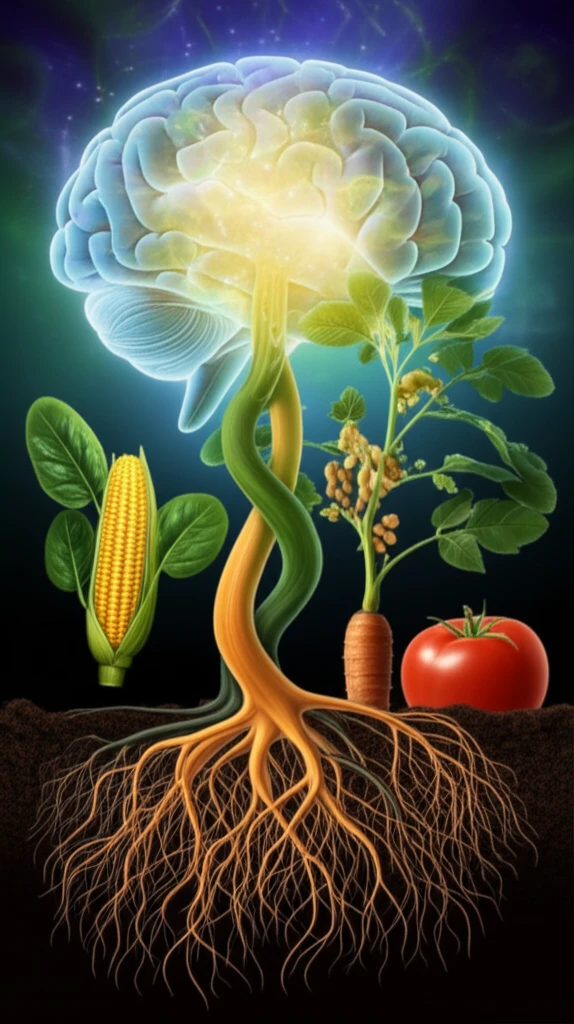
Emerging research suggests a fascinating link between certain foods and neurological health, specifically focusing on 'aquaporins'. Aquaporins are proteins found in both plants and the human body. Certain foods, such as corn, soybean, spinach, and tomatoes, contain aquaporins that bear a structural resemblance to aquaporin-4 (AQP4), a protein abundantly present in the brain. This structural similarity raises concerns about potential cross-reactivity.
The central question is: could antibodies developed in response to dietary aquaporins mistakenly target brain aquaporins, potentially leading to inflammation and neuroautoimmunity? This article delves into the science behind this connection, exploring the role of aquaporins, the implications of dietary aquaporins, and practical steps you can take to protect your brain health.
What are Aquaporins and Why Should I Care?
Water is essential for life. Aquaporins (AQPs), are specialized proteins that act as channels to regulate the flow of water in and out of cells, across various organisms. First identified in soybeans, these proteins aren't just for water transport; they also facilitate the movement of other small molecules like boron, silicon, and carbon dioxide.
- Neuroplasticity: AQP4 expression increases during cognitive stimulation, indicating a role in brain adaptability and learning.
- Waste Removal: AQP4 acts like a 'trash chute', helping to clear waste products from the brain and transport them into circulation for elimination.
- Water Balance: As the name implies, AQP4 transports water into and out of the brain, helping to avoid edema.
Taking Control of Your Brain Health
The emerging link between dietary aquaporins and potential neuroautoimmunity highlights the importance of informed dietary choices. By understanding the potential impact of foods like corn, soybean, spinach, and tomatoes on brain health, you can make proactive decisions to support your neurological well-being. Further research will undoubtedly shed more light on these complex interactions, but awareness and informed choices are powerful tools in safeguarding your brain health.