
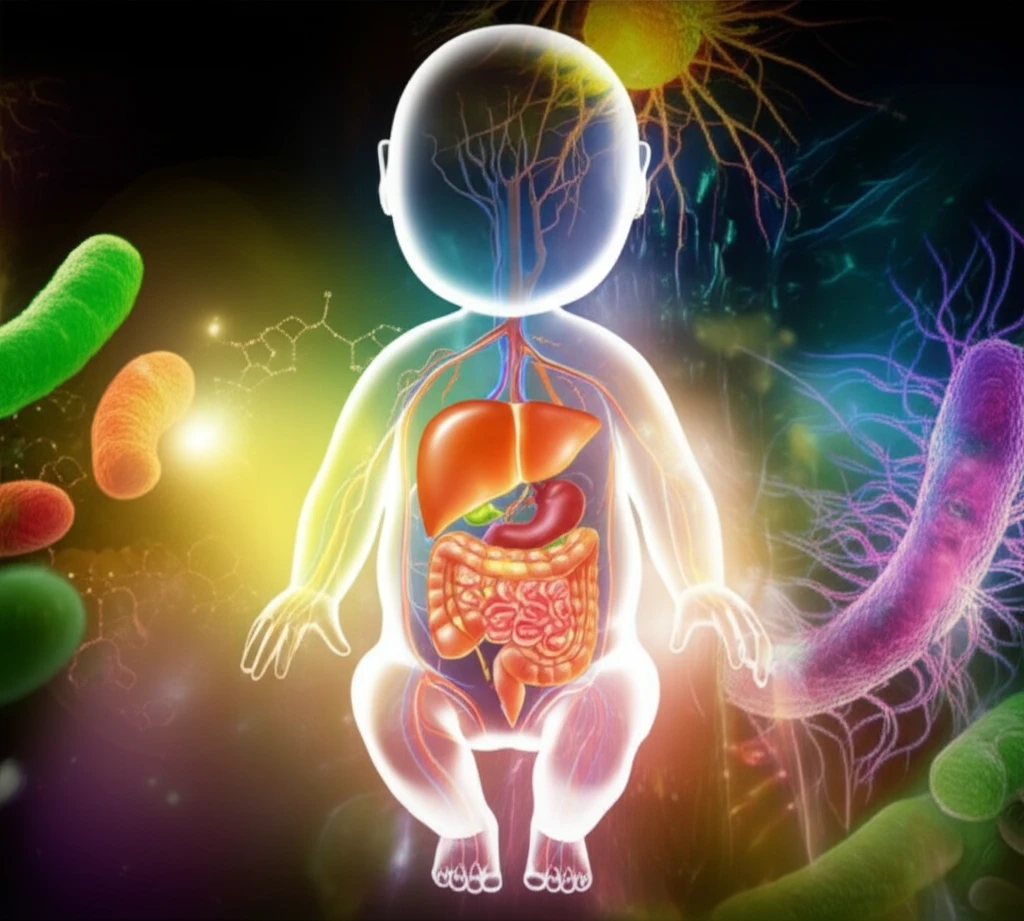
Gut Health SOS: How Infant Gut Microbiome Imbalances Could Impact Your Child's Liver and Future Health

"New research reveals how the balance of bacteria in infants' guts can affect their liver health, potentially leading to long-term health concerns. Discover the connection between your baby's microbiome and overall well-being."
The health of your baby's gut is more important than you might think, especially concerning their liver. New research sheds light on the fascinating and complex world of the infant gut microbiome – the collection of microorganisms that live in your baby's digestive tract. These tiny organisms play a huge role in everything from digestion and nutrient absorption to immune system development, with new studies showing a surprising connection to liver health.
Recent studies have identified links between imbalances in the infant gut microbiome and liver problems, such as cholestasis. Cholestasis, a condition where the flow of bile from the liver is blocked, can lead to serious health complications. Understanding this connection is vital for parents who want to ensure their children's long-term health.
This article dives into the latest scientific findings, explaining how gut bacteria can influence liver function and what it means for your baby. We'll explore the key takeaways from recent research, examining the specific types of bacteria involved, and the potential implications for your child's health, offering actionable insights that empower you to make informed decisions about your child's well-being.
Decoding the Gut-Liver Axis: How Gut Bacteria Influence Liver Health
The gut-liver axis is a dynamic two-way street, a critical communication pathway between the gut and the liver. The gut microbiome's composition and activity significantly influence liver health. When the gut is balanced, beneficial bacteria aid in digestion, nutrient absorption, and the elimination of waste. These bacteria also help regulate the immune system, preventing inflammation that could harm the liver. The liver, in turn, produces bile, which aids in digestion and helps control the gut environment.
- Bile Acids: Bile acids, produced by the liver, play a key role in digestion and the gut environment. The gut microbiome affects bile acid metabolism and the liver, further influencing the gut-liver axis.
- Inflammation: An imbalanced gut microbiome can trigger inflammation, which can damage the liver and lead to more severe liver conditions.
- Toxin Production: Harmful bacteria can release toxins that harm the liver, including by disrupting its normal functions.
- Immune Response: The gut microbiome regulates the immune system. An imbalance can lead to inappropriate immune responses, which contribute to liver injury.
A Proactive Approach: Supporting Your Baby's Gut and Liver Health
The research on infant gut health and liver function highlights the importance of nurturing your baby's microbiome. By making informed choices, you can positively influence your child's gut and liver health, setting the stage for a healthier future. This includes being mindful of factors such as infant nutrition, avoiding unnecessary antibiotic use (unless directed by a healthcare professional), and discussing any concerns with your pediatrician.