
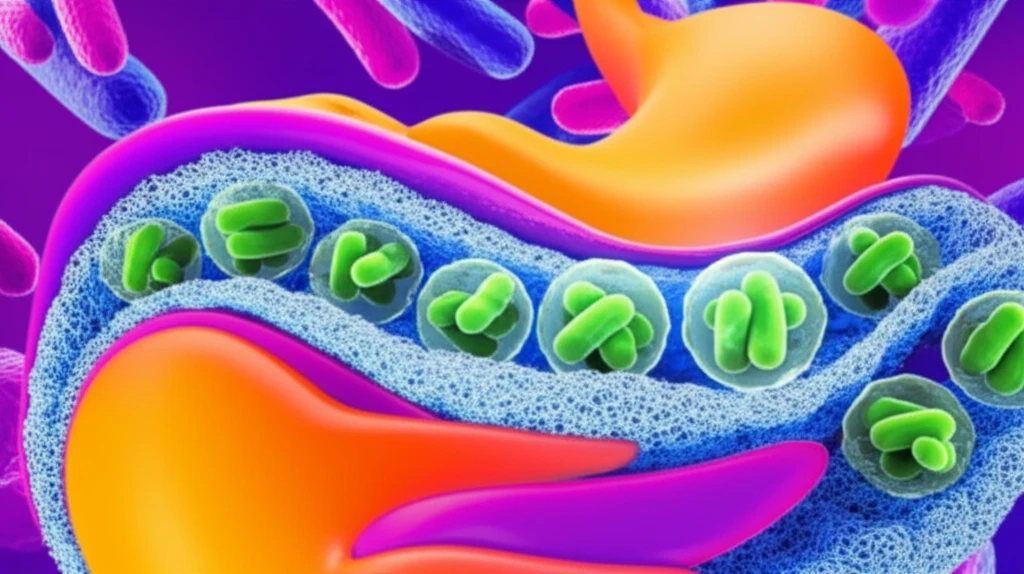
Silica-encapsulated probiotics navigating the digestive system.

Gut Health Revolution: How Silica Could Be the Secret Weapon in Probiotics

"Unlock the potential of silica in probiotic delivery for enhanced gut health and overall wellness. Discover how this common food additive can revolutionize your digestive health."


Maintaining a healthy gut microbiome is crucial for overall wellness. Probiotics, beneficial bacteria that support digestive health, have gained immense popularity. However, ensuring these probiotics survive the harsh journey through the stomach to reach the gut is a significant challenge.

Recent research published in the Journal of Materials Chemistry B sheds light on an innovative solution: using silica to protect and enhance probiotic delivery. This study explores how encapsulating probiotics in silica-coated microparticles can significantly improve their survival and effectiveness.

This article will delve into the findings of this study, explaining how silica, a common food additive, can revolutionize probiotic delivery and why this research could be a game-changer for your gut health.

The Science Behind Silica-Enhanced Probiotics: How Does It Work?

Silica-encapsulated probiotics navigating the digestive system.

The core of the research revolves around encapsulating Lactobacillus rhamnosus GG (LGG), a well-known probiotic strain, within alginate-silica microparticles. This encapsulation process involves a two-step synthesis: first, creating micro-ionogel beads via electrospraying, and then coating these beads with silica using a sol-gel process. The resulting core-shell structure offers a protective barrier for the probiotics.

One of the critical aspects of this study is the use of sucrose as a cryoprotectant. Cryoprotectants are substances that protect cells from damage during freezing and drying. In this case, sucrose helps maintain the viability and cultivability of the bacteria during the freeze-drying process, ensuring the probiotics remain active and effective.

Here’s a breakdown of the key steps:
  • Probiotic Encapsulation: LGG bacteria are mixed with alginate and sucrose.
  • Microparticle Formation: The mixture is electrosprayed to form micro-ionogel beads.
  • Silica Coating: The beads are coated with silica using a sol-gel process.
  • Freeze-Drying: The encapsulated probiotics are freeze-dried to create a stable product.
The effectiveness of this method was evaluated using a Simulator of the Human Intestinal Microbial Ecosystem (SHIME) model. This in vitro model mimics the conditions of the human digestive system, allowing researchers to observe how the encapsulated probiotics behave as they pass through the stomach, small intestine, and colon. The results were analyzed using denaturing gradient gel electrophoresis (DGGE) and quantitative PCR (qPCR) to assess bacterial viability and activity.

What This Means for Your Gut Health: The Future of Probiotics

The study's findings suggest that silica-coated probiotics could offer a more effective way to deliver these beneficial bacteria to the gut. By protecting probiotics from stomach acid and promoting colonization in the colon, this innovative approach has the potential to enhance digestive health and overall wellness. As research continues, silica may become a key ingredient in the next generation of probiotic supplements.

About this Article -

This article was crafted using a human-AI hybrid and collaborative approach. AI assisted our team with initial drafting, research insights, identifying key questions, and image generation. Our human editors guided topic selection, defined the angle, structured the content, ensured factual accuracy and relevance, refined the tone, and conducted thorough editing to deliver helpful, high-quality information.See our About page for more information.

This article is based on research published under:

DOI-LINK: 10.1039/c7tb02190a, Alternate LINK

Title: Original Behavior Of L. Rhamnosus Gg Encapsulated In Freeze-Dried Alginate–Silica Microparticles Revealed Under Simulated Gastrointestinal Conditions

Subject: General Materials Science

Journal: Journal of Materials Chemistry B

Publisher: Royal Society of Chemistry (RSC)

Authors: Fernanda B. Haffner, Tom Van De Wiele, Andreea Pasc

Published: 2017-01-01

Everything You Need To Know

1

How does using silica help deliver probiotics to my gut?

Silica enhances probiotic delivery by encapsulating probiotics, like Lactobacillus rhamnosus GG (LGG), within alginate-silica microparticles. This involves creating micro-ionogel beads and coating them with silica, forming a core-shell structure that protects the probiotics from harsh conditions. Sucrose is used as a cryoprotectant to maintain the bacteria's viability during freeze-drying. This method ensures the probiotics remain active and effective.

2

Why is it important to use silica to protect probiotics?

The use of silica to protect probiotics is significant because it addresses the challenge of ensuring probiotics survive the stomach's acidic environment to reach the gut. By protecting probiotics from stomach acid and promoting colonization in the colon, this innovative approach has the potential to enhance digestive health and overall wellness. Standard Probiotics can be destroyed or made ineffective if they cannot survive the digestion process.

3

What is the Simulator of the Human Intestinal Microbial Ecosystem (SHIME) model and what does it measure?

The Simulator of the Human Intestinal Microbial Ecosystem (SHIME) model is an in vitro model that mimics the conditions of the human digestive system. This allows researchers to observe how encapsulated probiotics behave as they pass through the stomach, small intestine, and colon. By analyzing the results using denaturing gradient gel electrophoresis (DGGE) and quantitative PCR (qPCR), bacterial viability and activity can be assessed.

4

What is Lactobacillus rhamnosus GG (LGG) and what is its role?

Lactobacillus rhamnosus GG (LGG) is a well-known probiotic strain that has the important function of being a beneficial bacteria, often consumed to support digestive health. By encapsulating LGG in silica-coated microparticles, its survival and effectiveness are significantly improved, allowing it to reach the gut and exert its beneficial effects.

5

What are denaturing gradient gel electrophoresis (DGGE) and quantitative PCR (qPCR) and why are they used?

Denaturing gradient gel electrophoresis (DGGE) and quantitative PCR (qPCR) are analytical methods used to assess bacterial viability and activity within the SHIME model. These techniques help researchers understand how well the probiotics survive and function as they pass through different stages of the digestive system, providing valuable insights into the effectiveness of silica encapsulation. They allow analysis of gene changes in the probiotics under different conditions.

Newsletter Subscribe

Subscribe to get the latest articles and insights directly in your inbox.