
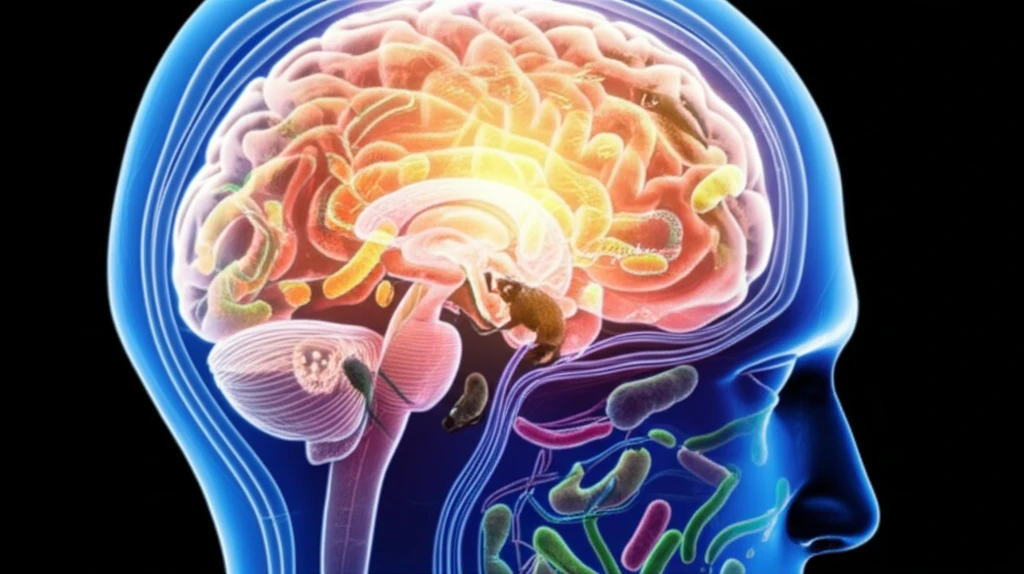
Gut Health Revolution: Can Diet Modification Mitigate Multiple Sclerosis?

"New research unveils how targeted dietary changes dramatically reduce MS-like symptoms in adult marmosets, opening doors for potential human therapies."
Multiple sclerosis (MS) is a debilitating autoimmune disease where the body's immune system mistakenly attacks the central nervous system. While the exact cause of MS remains elusive, scientists believe that a complex interplay of genetic predispositions, environmental factors, and lifestyle choices contribute to its development. Recent research has increasingly focused on the gut microbiome – the vast community of microorganisms residing in our digestive tract – and its potential role in influencing the onset and progression of MS.
The gut microbiome is known to exert a powerful influence on the immune system. It can either promote or suppress inflammation, impacting various autoimmune disorders. Studies have shown that individuals with MS often exhibit distinct differences in their gut microbiota compared to healthy individuals. This has fueled interest in exploring whether dietary interventions, which can significantly alter the composition of the gut microbiome, could offer a novel therapeutic strategy for managing MS.
Now, a fascinating study published in The Journal of Immunology sheds new light on this possibility. Researchers have demonstrated that targeted dietary modifications can dramatically reduce multiple sclerosis-like symptoms in adult marmoset monkeys, offering promising insights into the potential for gut-focused therapies in humans. This article explores the key findings of this research, examining the mechanisms by which diet influences the gut-immune-brain axis and the implications for future MS treatments.
How Does Diet Impact the Gut-Immune-Brain Axis in Multiple Sclerosis?
The researchers at the Biomedical Primate Research Centre in the Netherlands embarked on a controlled study using marmoset monkeys, a species known for its susceptibility to experimental autoimmune encephalomyelitis (EAE), an animal model of MS. The researchers had previously observed that the introduction of a new dietary supplement in their marmoset colony led to a surprising reduction in the incidence of EAE. To investigate this further, they designed an experiment involving marmoset twins, which share a high degree of genetic similarity, making them ideal for controlled studies.
- Reversal of Protection: The group that reverted to the original water-based supplement (WBS) experienced a near-complete restoration of EAE prevalence, with 100% of the animals developing the condition.
- Reduced Incidence: In contrast, the group that remained on the yogurt-based supplement (YBS) showed a significantly lower EAE prevalence of 75%.
- Reduced Demyelination: Spinal cord demyelination, a hallmark of MS, was significantly less pronounced in the YBS group.
A Promising Avenue for MS Research
This study provides compelling evidence that targeted dietary interventions can influence the gut-immune-brain axis and mitigate MS-like symptoms. Further research is needed to identify the specific components within the yogurt-based supplement that are responsible for the observed benefits and to determine whether these findings can be translated into effective therapies for human MS patients. This groundbreaking research paves the way for innovative approaches to managing MS, emphasizing the importance of a holistic approach that considers the intricate interplay between diet, the gut microbiome, and the immune system.