
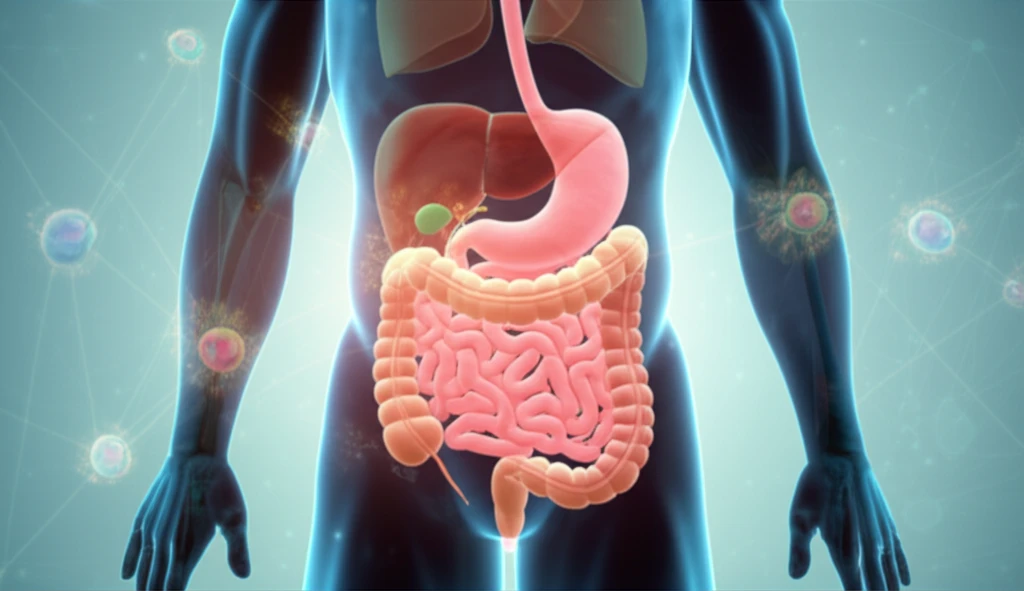
Gut Feelings: New Insights into IBD Symptom Management and Cellular Mechanisms

"Discover how personalized symptom scores and macrophage behavior are revolutionizing our understanding and treatment of Inflammatory Bowel Disease."
Inflammatory Bowel Disease (IBD) affects millions worldwide, creating a significant need for effective treatments and a better understanding of the disease. Recent studies are paving the way for more personalized and targeted approaches to managing IBD, from novel methods of assessing symptom severity to exploring the cellular mechanisms driving intestinal inflammation.
One key area of progress involves shifting towards patient-centric care. Recognizing that each individual experiences IBD differently, researchers are working to incorporate patient preferences into treatment strategies. This approach aims to improve outcomes by focusing on the symptoms that matter most to those living with the disease.
Concurrently, scientists are delving deeper into the biological processes underlying IBD, with a particular focus on the role of immune cells and specific molecules in the gut. These investigations are uncovering potential new targets for therapeutic intervention, offering hope for more effective and precise treatments in the future.
Prioritizing Patient Preferences: Developing a Weighted Symptom Score for IBD
Traditional methods of assessing IBD severity often fail to capture the full picture of a patient's experience. Recognizing this gap, researchers have developed a preference-weighted symptom score designed to evaluate treatment efficacy from the patient's perspective. This innovative approach acknowledges that certain symptoms may have a greater impact on an individual's quality of life than others.
- Symptoms that interfere with daily life
- Symptoms that generate anxiety
- Symptoms that patients feel they have no control over.
Looking Ahead: Towards More Effective IBD Therapies
These studies represent important steps forward in the fight against IBD. By prioritizing patient preferences and exploring the complex cellular mechanisms driving the disease, researchers are paving the way for more effective and personalized treatments that can improve the lives of millions affected by IBD.