
Gut Feelings: Can Acceptance Therapy Tame Inflammatory Bowel Disease?

"Discover how Acceptance and Commitment Therapy (ACT) offers a promising approach to managing stress and improving well-being in individuals with IBD."
Inflammatory bowel disease (IBD), encompassing conditions like Crohn's disease and ulcerative colitis, presents a significant challenge for many, characterized by chronic inflammation of the digestive tract. Beyond the physical discomfort, IBD often brings a heavy burden of psychological stress, significantly impacting the quality of life for those affected.
Traditional medical treatments primarily target the physical symptoms of IBD. However, the undeniable link between mind and body suggests that addressing psychological well-being could be a crucial component of comprehensive IBD care. Acceptance and Commitment Therapy (ACT) emerges as a promising approach, focusing on acceptance and mindfulness techniques to foster psychological flexibility and reduce stress.
This article explores a recent study investigating the effectiveness of ACT in managing stress among IBD patients. We'll delve into the study's findings, shedding light on how ACT can empower individuals to cope with the challenges of IBD and potentially improve their overall well-being.
Unpacking the ACT Approach: A Stress-Busting Tool for IBD
Acceptance and Commitment Therapy (ACT) is a unique form of psychotherapy that differs from traditional methods. Instead of directly trying to eliminate difficult thoughts and feelings, ACT encourages individuals to accept them as a natural part of the human experience. This acceptance forms the foundation for building psychological flexibility – the ability to adapt to changing situations and commit to actions aligned with one's values.
- Acceptance: Acknowledging and embracing thoughts and feelings without judgment.
- Cognitive Defusion: Learning to observe thoughts as just thoughts, rather than absolute truths.
- Mindfulness: Paying attention to the present moment with openness and curiosity.
- Self-as-Context: Recognizing oneself as the observer of experiences, distinct from thoughts and feelings.
- Values: Identifying and clarifying what is truly important in life.
- Committed Action: Taking purposeful steps towards living in accordance with one's values, even in the face of difficulties.
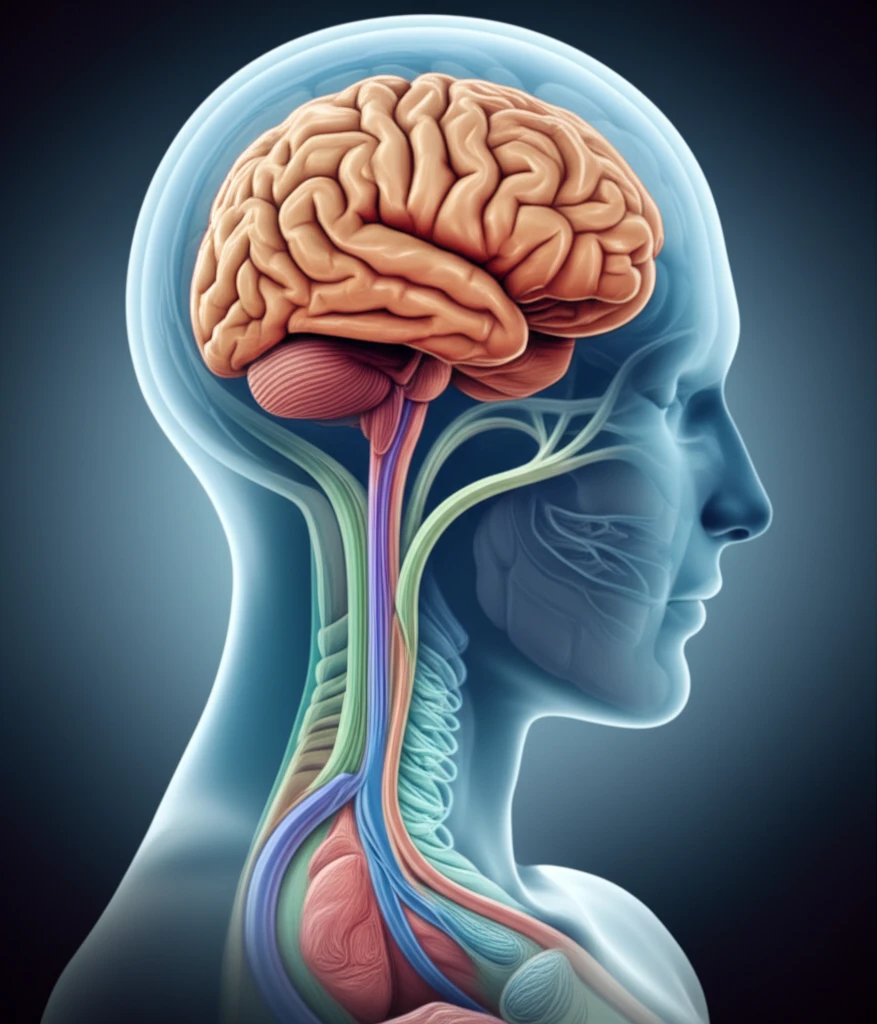
The Gut-Brain Connection: A New Era of IBD Management?
The study's findings highlight the significant potential of ACT as a valuable tool in managing stress and improving the quality of life for individuals with IBD. By addressing the psychological component of this chronic condition, ACT offers a holistic approach that complements traditional medical treatments.
While the study reveals promising results, it's important to acknowledge that further research is needed to fully understand the long-term effects of ACT on IBD activity and overall disease management. Future studies could explore the impact of ACT on specific IBD symptoms, as well as its effectiveness in combination with other therapies.
The integration of psychological interventions like ACT into IBD care represents a paradigm shift, acknowledging the intricate connection between the gut and the brain. As we continue to unravel the complexities of IBD, embracing holistic approaches that address both the physical and psychological aspects of the disease will be crucial in empowering individuals to live fuller, healthier lives.