
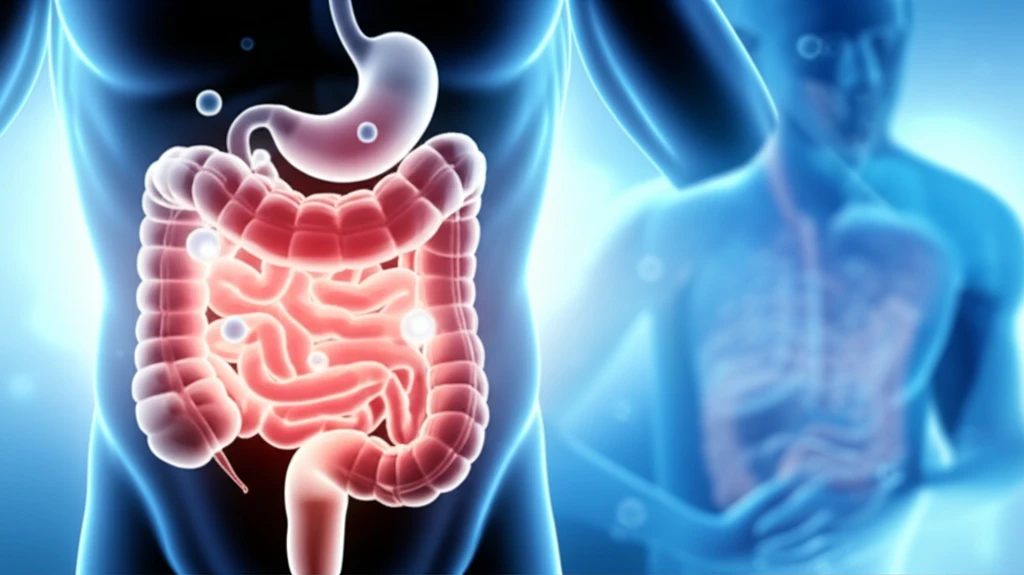
Illustration depicting the benefits of nitric oxide on gut health, showing healing and reduced inflammation in the digestive system.

Gut Feeling: How Nitric Oxide Could Revolutionize Digestive Health

"Unlocking the Power Within: Exploring the Role of Nitric Oxide in Treating and Preventing Gastrointestinal Diseases"


The gut, often called our 'second brain,' is a complex ecosystem where digestion, immunity, and overall well-being intertwine. But what if there was a key player in this intricate system, a molecule with the power to calm inflammation, heal damage, and potentially revolutionize how we treat digestive disorders? Enter nitric oxide (NO), a simple molecule with a surprisingly profound impact on our gastrointestinal (GI) health.

For years, scientists have been investigating nitric oxide's role in the GI tract, uncovering its ability to regulate everything from blood flow and mucus production to inflammation and pain. This research has opened doors to new treatments for common conditions like irritable bowel syndrome (IBS) and inflammatory bowel disease (IBD), offering hope for those seeking relief from chronic digestive issues.

This article will explore the fascinating world of nitric oxide and its potential to transform digestive health. We'll journey through the latest scientific findings, understand the mechanisms at play, and consider the future of NO-based therapies, offering a fresh perspective on how this molecule could change the way we approach gut health.

Nitric Oxide: The Gut's Natural Healer and Regulator

Illustration depicting the benefits of nitric oxide on gut health, showing healing and reduced inflammation in the digestive system.

In the GI tract, nitric oxide (NO) is produced by three main enzymes: neuronal nitric oxide synthase (nNOS), inducible nitric oxide synthase (iNOS), and endothelial nitric oxide synthase (eNOS). These enzymes are responsible for producing NO in response to various stimuli, such as inflammation, injury, and the need for vasodilation. NO plays a crucial role in maintaining the health and function of the gut, from regulating blood flow and protecting the mucosal lining to modulating inflammation and reducing pain.

NO acts as a protective agent in the gut, contributing to:

  • Enhancing Mucosal Defense: NO boosts mucus and bicarbonate production, forming a protective layer against acid and other irritants.
  • Regulating Blood Flow: NO ensures adequate blood supply to the gut lining, promoting healing and tissue integrity.
  • Reducing Inflammation: NO helps modulate the immune response, reducing the excessive inflammation associated with conditions like IBD.
  • Managing Visceral Pain: NO can modulate the pain signals sent from the gut, potentially reducing discomfort and pain.
The diverse roles of NO highlight its importance in maintaining a healthy gut environment. Understanding these functions is key to harnessing the therapeutic potential of NO in various digestive disorders.

The Future of Gut Health: Embracing the Power of Nitric Oxide

The research into nitric oxide's role in digestive health is rapidly evolving, promising a future where NO-based therapies could revolutionize treatment approaches for a wide range of GI disorders. From novel drug formulations to personalized medicine strategies, the potential for NO to transform gut health is immense. As we continue to unravel the complexities of this fascinating molecule, we move closer to a future of optimized gut health, improved quality of life, and a deeper understanding of our body's intricate systems.

About this Article -

This article was crafted using a human-AI hybrid and collaborative approach. AI assisted our team with initial drafting, research insights, identifying key questions, and image generation. Our human editors guided topic selection, defined the angle, structured the content, ensured factual accuracy and relevance, refined the tone, and conducted thorough editing to deliver helpful, high-quality information.See our About page for more information.

Everything You Need To Know

1

What is nitric oxide, and why is it important for digestive health?

Nitric oxide (NO) is a simple molecule that plays a surprisingly profound role in our gastrointestinal (GI) health. It's produced by enzymes like neuronal nitric oxide synthase (nNOS), inducible nitric oxide synthase (iNOS), and endothelial nitric oxide synthase (eNOS) in response to various stimuli. It helps regulate blood flow, mucus production, inflammation, and pain in the gut, contributing significantly to overall digestive well-being. Without sufficient nitric oxide, the gut's ability to protect and heal itself could be compromised.

2

How does nitric oxide protect the gut environment?

Nitric oxide (NO) protects the gut environment in several key ways. It enhances mucosal defense by boosting mucus and bicarbonate production, creating a protective layer against acid and irritants. It also regulates blood flow to the gut lining, promoting healing and tissue integrity. Furthermore, NO helps reduce inflammation by modulating the immune response and manages visceral pain by modulating pain signals from the gut. These diverse functions highlight its importance in maintaining a healthy gut.

3

What role do neuronal nitric oxide synthase (nNOS), inducible nitric oxide synthase (iNOS), and endothelial nitric oxide synthase (eNOS) play in the gut?

Neuronal nitric oxide synthase (nNOS), inducible nitric oxide synthase (iNOS), and endothelial nitric oxide synthase (eNOS) are the three main enzymes responsible for producing nitric oxide (NO) in the gastrointestinal (GI) tract. These enzymes produce NO in response to various stimuli, such as inflammation, injury, and the need for vasodilation. Each enzyme contributes to maintaining gut health by regulating blood flow, protecting the mucosal lining, modulating inflammation, and reducing pain.

4

Could nitric oxide-based therapies revolutionize the treatment of gastrointestinal (GI) disorders like irritable bowel syndrome (IBS) and inflammatory bowel disease (IBD)?

Research suggests that nitric oxide (NO)-based therapies hold promise for revolutionizing the treatment of gastrointestinal (GI) disorders like irritable bowel syndrome (IBS) and inflammatory bowel disease (IBD). NO's ability to regulate blood flow, reduce inflammation, and manage pain could lead to novel drug formulations and personalized medicine strategies. By harnessing the power of NO, we may be able to develop more effective treatments that target the underlying causes of these conditions, offering relief and improved quality of life for those affected. However, this doesn't cover other areas of research such as diet, exercise and mental well being, which need to be considered as well.

5

What is the connection between nitric oxide and the gut being referred to as our 'second brain?'

The gut is often called our 'second brain' because it's a complex ecosystem where digestion, immunity, and overall well-being intertwine. Nitric oxide (NO) is a key player in this intricate system. By regulating blood flow, protecting the mucosal lining, modulating inflammation, and reducing pain, NO helps maintain the delicate balance necessary for optimal gut function. This balance is crucial for the gut's ability to communicate with the brain and influence overall health, reinforcing the idea of the gut as a 'second brain.' A lack of Nitric Oxide could disrupt these functions. It would be wrong to assume the gut is a 'second brain' just because of the presence of Nitric Oxide.

Newsletter Subscribe

Subscribe to get the latest articles and insights directly in your inbox.