
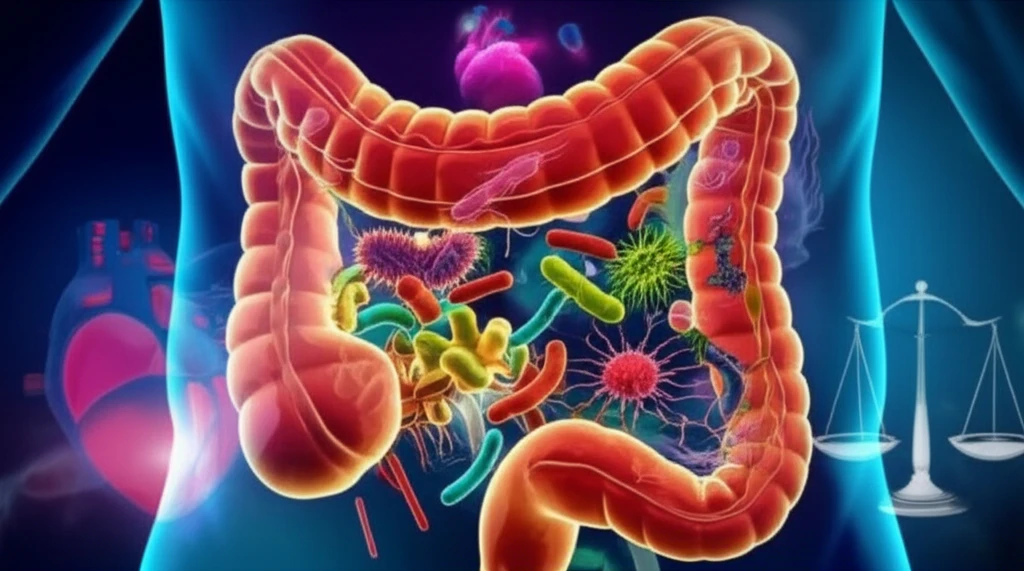
Vibrant illustration of gut microbiome impacting heart and immune health

Gut Check: How Your Microbiome Impacts Cardiovascular and Autoimmune Health

"Unlocking the secrets of the gut microbiome to revolutionize treatment of heart disease and autoimmune disorders."


In recent years, the gut microbiome has emerged as a pivotal player in overall health, influencing everything from digestion to immunity. This complex ecosystem of bacteria, fungi, viruses, and other microorganisms residing in our intestines functions almost like an endocrine organ, producing enzymes and bioactive metabolites that directly affect our physiology. Emerging research is now highlighting the profound impact of the gut microbiome on cardiovascular and autoimmune diseases, offering new avenues for understanding, preventing, and treating these conditions.

The gut microbiome's influence extends beyond simple digestion. It involves intricate interactions where specific microbial patterns trigger immune responses, potentially leading to inflammatory-induced endothelial dysfunction—a critical factor in cardiovascular disease. Alterations in the gut's microbial and metabolic composition, known as dysbiosis, have been linked to chronic inflammation, thrombosis, and the development of conditions like atherosclerosis and autoimmune disorders such as systemic lupus erythematosus.

While broad approaches such as prebiotics, probiotics, and fecal microbial transplantation show promise, the future of microbiome-based therapies lies in precisely targeting specific microbial pathways and their interaction with the host's immune system. This targeted approach offers the potential to fine-tune the gut microbiome, paving the way for more effective and personalized treatments for cardiovascular and autoimmune diseases.

The Gut Microbiome: A Key Player in Health and Disease

Vibrant illustration of gut microbiome impacting heart and immune health

The human intestinal tract is home to an astounding number of microorganisms—over 100 trillion—including commensal, symbiotic, and pathogenic species. These microorganisms outnumber the human cells in our body by a ratio of 3:1, underscoring their significant role in our physiology. The composition of this microbial community has dramatically changed over the past 70 years due to factors like altered living conditions, antibiotic use, and the prevalence of processed foods.

In a healthy gut, the microbiome is primarily composed of gram-positive Firmicutes, gram-negative Bacteroidetes, and gram-positive Actinobacteria. However, when this balance is disrupted, it can lead to various health issues, including cardiovascular and autoimmune diseases. Changes in the composition of gut microbiota (dysbiosis) are linked to chronic inflammation, thrombosis, atherogenesis, chronic kidney disease, obesity, and type 2 diabetes mellitus. Moreover, mounting evidence suggests that the gut microbiome plays a crucial role in blood pressure regulation and heart failure.

  • Chronic Inflammation: Dysbiosis triggers persistent inflammation, a key factor in the development of cardiovascular and autoimmune diseases.
  • Thrombosis: Imbalances in the gut microbiome can promote blood clot formation, increasing the risk of heart attack and stroke.
  • Atherogenesis: Gut microbiota alterations contribute to the formation of plaques in the arteries, leading to atherosclerosis.
  • Autoimmune Diseases: Gut dysbiosis exacerbates autoimmune responses, such as those seen in systemic lupus erythematosus (SLE).
The gut microbiome functions like an endocrine organ, producing enzymes and bioactive metabolites that affect host physiology. It interacts with the host through multiple pathways, including the gut microbe-derived trimethylamine N-oxide (TMAO) pathway, short-chain fatty acids pathway, and primary and secondary bile acids pathways. Impaired intestinal barrier function can lead to bacterial translocation and increased inflammation. Specific microbe-associated molecular patterns (MAMPs) induce immune activation, leading to inflammatory-induced endothelial dysfunction.

Future Directions in Microbiome Research

While significant progress has been made in identifying the types of microbes present and their metabolites, translating this knowledge into human-relevant therapeutics remains a challenge. Future research should focus on identifying which microbial genes are expressed in diseases and what bioactive chemicals are secreted. Targeting the gene products of gut microorganisms or associated host enzymes and receptors represents an exciting frontier for drug discovery. Ultimately, the goal is to develop selective small molecules that target defined microbial pathways and adjacent host immune responses, paving the way for personalized and effective treatments.

About this Article -

This article was crafted using a human-AI hybrid and collaborative approach. AI assisted our team with initial drafting, research insights, identifying key questions, and image generation. Our human editors guided topic selection, defined the angle, structured the content, ensured factual accuracy and relevance, refined the tone, and conducted thorough editing to deliver helpful, high-quality information.See our About page for more information.

This article is based on research published under:

DOI-LINK: 10.1042/cs20180410, Alternate LINK

Title: Impact Of The Gut Microbiome In Cardiovascular And Autoimmune Diseases

Subject: General Medicine

Journal: Clinical Science

Publisher: Portland Press Ltd.

Authors: Michael Weis

Published: 2018-11-19

Everything You Need To Know

1

What exactly is the gut microbiome and why is it so important?

The gut microbiome is a complex community of microorganisms, including bacteria, fungi, and viruses, residing in the intestines. It functions almost like an endocrine organ, producing enzymes and bioactive metabolites that directly influence our physiology. The gut microbiome plays a crucial role in maintaining overall health by aiding digestion, regulating the immune system, and influencing various bodily functions.

2

What is dysbiosis and what are its effects on health?

Dysbiosis refers to an imbalance in the composition of the gut microbiome. This imbalance can lead to chronic inflammation, thrombosis, and the development of conditions like atherosclerosis and autoimmune disorders such as systemic lupus erythematosus. Changes in the balance of gram-positive Firmicutes, gram-negative Bacteroidetes, and gram-positive Actinobacteria can disrupt the gut's microbial and metabolic composition.

3

How does the gut microbiome actually interact with our bodies and influence our health?

The gut microbiome interacts with the host through multiple pathways, including the gut microbe-derived trimethylamine N-oxide (TMAO) pathway, short-chain fatty acids pathway, and primary and secondary bile acids pathways. These pathways involve the production of metabolites that can affect host physiology. Additionally, specific microbe-associated molecular patterns (MAMPs) induce immune activation, leading to inflammatory-induced endothelial dysfunction.

4

What are the main things that can damage or negatively affect the gut microbiome?

Several factors can significantly impact the gut microbiome, including altered living conditions, antibiotic use, and the prevalence of processed foods. These factors can lead to changes in the composition of the gut microbiota, resulting in dysbiosis. Maintaining a balanced diet, limiting antibiotic use, and adopting a healthy lifestyle are crucial for promoting a healthy gut microbiome.

5

What is the future direction of research related to the microbiome?

Future research aims to identify which microbial genes are expressed in diseases and what bioactive chemicals are secreted. Targeting the gene products of gut microorganisms or associated host enzymes and receptors represents an exciting frontier for drug discovery. The goal is to develop selective small molecules that target defined microbial pathways and adjacent host immune responses, paving the way for personalized and effective treatments for cardiovascular and autoimmune diseases. This includes understanding how prebiotics, probiotics, and fecal microbial transplantation can be used to precisely target specific microbial pathways and their interaction with the host's immune system.

Newsletter Subscribe

Subscribe to get the latest articles and insights directly in your inbox.