
Gut Check: How to Fortify Your Body's Defenses Against "L. casei" Overgrowth

"Emerging research unveils how common food additives might inadvertently disrupt your gut's natural harmony and what you can do about it."
Your gut is a bustling ecosystem, home to trillions of bacteria, both good and bad. Maintaining the right balance is key to everything from digestion to immune function. Among these microscopic residents is Lactobacillus casei (L. casei), a bacterium often found in probiotic supplements and fermented foods, touted for its potential health benefits. However, like any population, imbalances can occur, and overgrowth can sometimes lead to unexpected issues.
In recent years, scientists have been digging deeper into how various factors can influence the behavior of L. casei within the body. A particular area of interest involves how certain compounds affect the signaling pathways that control inflammation and cell proliferation—processes critical for maintaining overall health. New research highlights how phosphodiesterase (PDE) inhibitors, found in some common substances, might play a surprising role in suppressing the less desirable effects of L. casei overgrowth.
This article will explore these emerging findings, breaking down the complex science into easy-to-understand terms. We'll delve into how PDE inhibitors work, where they're found, and what this all means for maintaining a healthy gut environment. Whether you're a health enthusiast, someone dealing with gut-related issues, or simply curious about the latest in microbiome research, this information can empower you to make informed choices about your well-being.
Decoding the Science: How L. casei Interacts With Your Body
Lactobacillus, as a genus, is generally considered a beneficial bacteria. Its role in the human body is well documented, and plays a pivotal part in regulating inflammation, encouraging healthy cell growth, and helping your system get rid of the cellular dead weight through a process called apoptosis. It's very common to find this probiotic in yogurts and supplements.
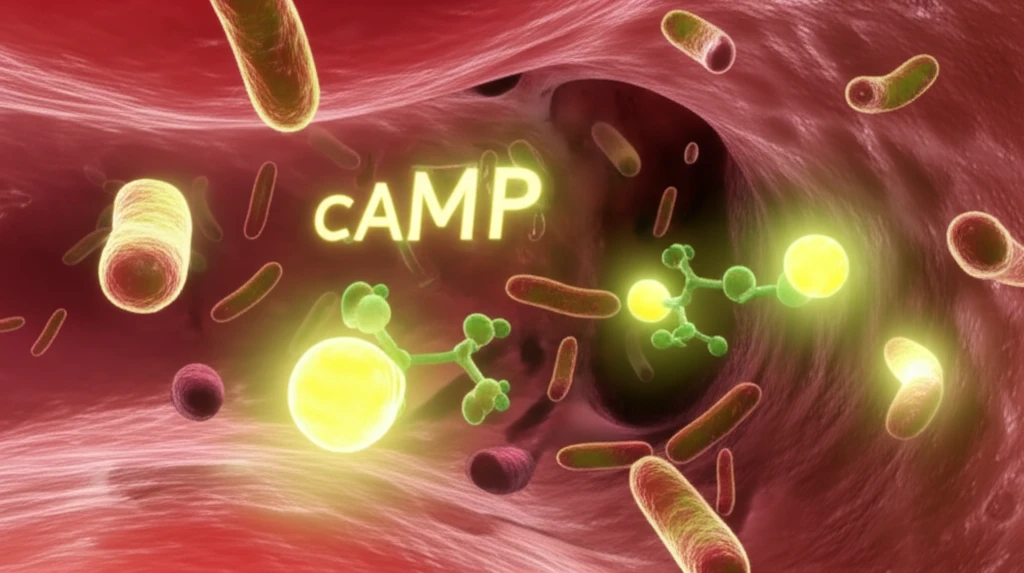
- The Role of cAMP: One focus of the research hones in on cyclic AMP (cAMP), a small molecule inside our body that acts like a messenger, relaying signals that regulate processes like inflammation. If cAMP levels change, it directly effects the inflammatory response.
- Toll-like Receptor-2: The receptor seems to trigger LCWE and promotes arteries in mice. Understanding this relationship is crucial in modulating the inflammatory response.
- The PDE Factor: Certain compounds known as phosphodiesterase (PDE) inhibitors are able to increase cAMP levels. The study examines whether rising cAMP levels could prevent signaling pathways that cause inflammation and growth.
The Future of Gut Health: Probiotics and Personalized Wellness
This research sheds new light on the intricate relationship between our bodies and the bacteria within us. It’s a reminder that maintaining balance is key, and that even seemingly beneficial bacteria like L. casei can have downsides if left unchecked. By understanding the factors that influence these microbial ecosystems, we can move towards more personalized and effective strategies for promoting gut health and overall wellness. As research continues, the future of probiotics may involve tailoring treatments to individual needs, taking into account the specific interactions within each person’s unique microbiome.