
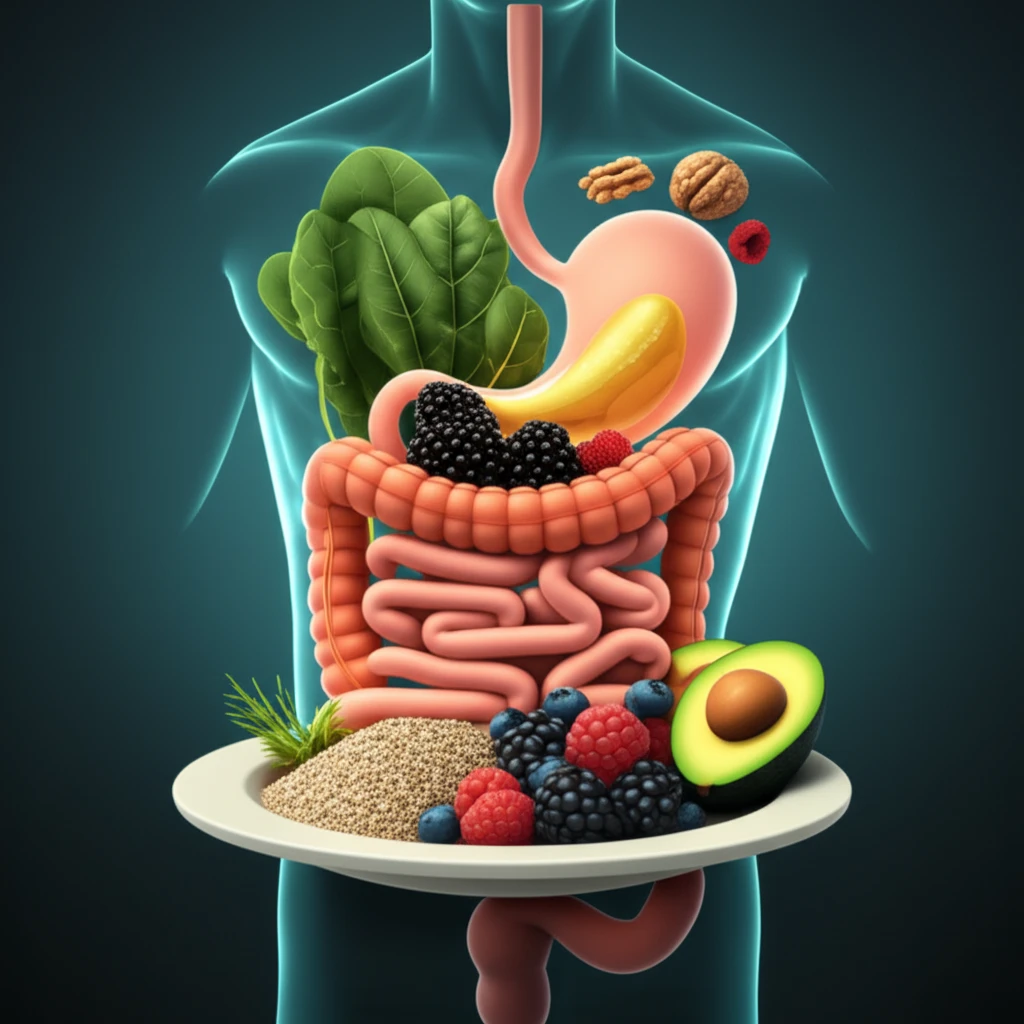
Gut Check: How Fiber and Fat Interact to Optimize Your Health

"Unlock the secrets of dietary fiber and lipid interactions for better digestion and overall well-being."
In today's health-conscious world, many people are incorporating more fiber-rich foods into their diets. From whole grains and legumes to fruits and vegetables, the benefits of fiber are widely touted. Simultaneously, the type and amount of fats we consume are constantly under scrutiny. But what happens when these two dietary components—fiber and fat—meet in our digestive system? The interaction between dietary fiber and lipids is more complex than you might think, significantly impacting how our bodies absorb nutrients and maintain gut health.
Recent research has begun to unravel these complexities, highlighting how different types of fiber and fats can either enhance or hinder digestion and nutrient utilization. Understanding these interactions is crucial for anyone looking to optimize their diet and improve their overall well-being. The source paper investigates the effects of dietary fiber and lipid types on gastrointestinal flows and apparent digestibility of fatty acids in growing pigs, providing valuable insights that can be extrapolated to human health.
This article will delve into the fascinating world of fiber and fat interactions, exploring the key findings of the study and offering practical advice on how to make informed dietary choices. By understanding these principles, you can fine-tune your diet to promote better digestion, enhanced nutrient absorption, and a healthier gut.
The Fiber-Fat Tango: What Happens in Your Gut?
The interaction between dietary fiber (DF) and lipids is not a simple one; it involves a complex interplay of physical, chemical, and biological processes within the gastrointestinal tract (GIT). When fiber and fats are consumed together, they can influence each other's digestibility and absorption, which can have cascading effects on your health. Here's a closer look at the main mechanisms at play:
- Hydrogen Bonding and Electrostatic Interactions: Fiber polysaccharides can bind non-covalently to lipids through hydrogen bonding, electrostatic forces, and hydrophobic interactions.
- Adsorption and Entrapment: DF can adsorb or entrap lipids within their matrices, affecting their availability for digestion.
- Fermentation Patterns: The type of fiber influences fermentation patterns in the gut, which, in turn, affects the flow of fatty acids.
- Bile Acid Interactions: Fiber can interfere with bile acids, reducing their ability to emulsify fats and potentially increasing fecal fat excretion.
Optimize Your Fiber and Fat Intake for a Healthier Gut
The insights from this study, along with other research, provide a foundation for making informed dietary choices to promote better gut health and overall wellness. By understanding how different types of fiber and fats interact, you can fine-tune your diet to support optimal digestion, nutrient absorption, and a balanced gut microbiome. While the specific effects may vary depending on individual factors, these general guidelines can help you get started.