
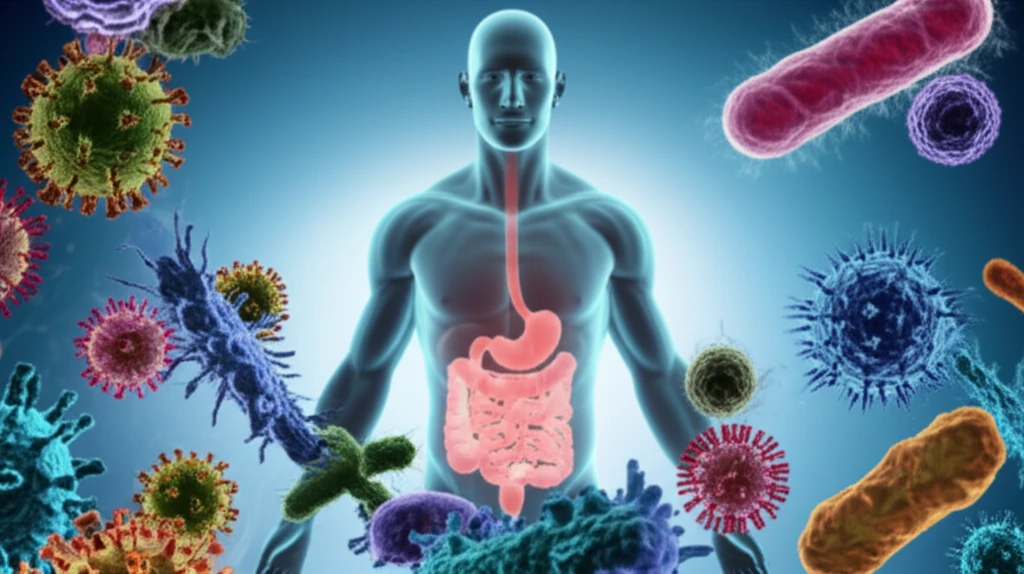
Gut Check: How Antibiotics Impact Your Viral Defense Team

"A new study uncovers the surprising effects of long-term antibiotic use on the delicate balance of viruses in your gut and mouth – and what it means for your health."
Our bodies are complex ecosystems, teeming with trillions of microorganisms. Bacteria often steal the spotlight, but viruses also play crucial roles in maintaining this delicate balance. These viral communities, known as viromes, are integral to our health, influencing everything from our immune response to our susceptibility to disease.
Antibiotics, while vital for fighting bacterial infections, can inadvertently disrupt this carefully constructed microbial landscape. When we take these medications, they not only target harmful bacteria but also affect the beneficial ones, potentially altering the composition and function of our viromes. But what exactly happens to these viral communities during antibiotic use, and what are the long-term consequences for our health?
A groundbreaking study sheds light on this critical question, exploring how long-term antibiotic therapy impacts the viral communities in the human gut and mouth. The findings reveal surprising differences in how these two body sites respond to antibiotic use, offering new insights into the complex interplay between bacteria, viruses, and our overall well-being.
The Oral-Gut Divide: How Antibiotics Reshape Your Virome
Researchers at the University of California, San Diego, delved into the effects of long-term antibiotic therapy on the oral and fecal viral communities of human subjects. The study revealed that while both body sites experienced changes in their viral composition, the nature and extent of these changes varied significantly.
- Distinct Viral Communities: The viral communities in the mouth and gut differed significantly, with the gut exhibiting a more diverse range of viruses compared to the mouth.
- Oral Viromes More Diverse: Surprisingly, the oral viromes showed greater overall diversity than those in the gut, suggesting different ecological pressures in these two environments.
- Papillomavirus Increase in the Mouth: Subjects on antibiotics showed an increased abundance of papillomaviruses in their mouths, hinting at a potential link between antibiotic use and viral activity.
- Antibiotic Resistance Genes Rise in the Gut: The gut viromes of individuals on antibiotics displayed a notable expansion of genes associated with antibiotic resistance, a phenomenon not observed in the oral viromes.
Protecting Your Virome: What You Can Do
While the study highlights the potential for antibiotics to alter our viral landscape, it also underscores the importance of understanding and protecting our microbial ecosystems. By making informed choices about antibiotic use and adopting strategies to support a healthy gut, we can help safeguard our viral defense team and promote long-term well-being.