
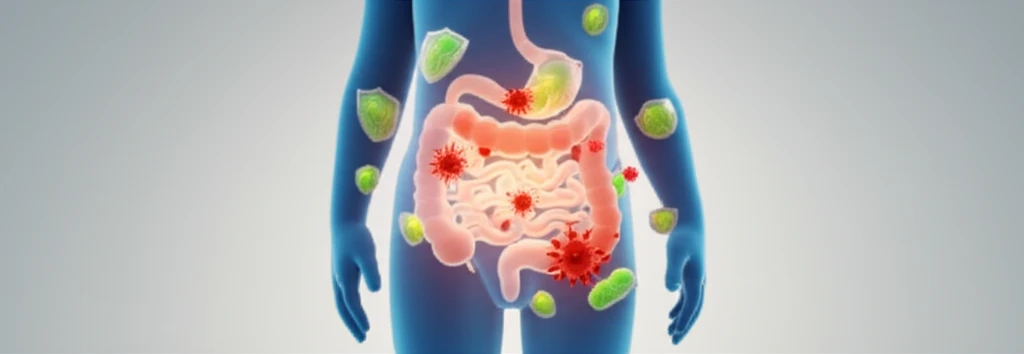
Beneficial bacteria protecting child's gut from rotavirus.

Gut Check: Can the Right Bacteria Help Kids Beat Rotavirus?

"New research explores how superior strains of bifidobacteria could be a game-changer in managing rotavirus infections in children."


Rotavirus is a major cause of acute gastroenteritis in young children, leading to millions of hospitalizations worldwide. This infection causes severe diarrhea and dehydration, making it critical to find effective ways to manage and treat it.

Probiotics, especially bifidobacteria, are increasingly recognized for their ability to support gut health and prevent infections. These beneficial bacteria play a vital role in maintaining a balanced intestinal flora, which can help protect against harmful pathogens and regulate the immune system.

A recent study investigated bifidobacteria in children with rotavirus infection to identify strains with superior probiotic properties. The research focused on their ability to produce exopolysaccharides (EPS), eliminate cholesterol, and deconjugate bile salts—all factors that contribute to improved intestinal health and overall well-being.

Decoding the Power of Bifidobacteria: What the Research Reveals

Beneficial bacteria protecting child's gut from rotavirus.

The study, which examined fecal samples from children with and without rotavirus, identified specific bifidobacteria strains that showed enhanced probiotic capabilities. These strains were evaluated based on several key factors:

The researchers used enzyme-linked immunosorbent assay to detect rotavirus antigens in fecal samples and selective media to isolate and identify bifidobacteria. They then assessed EPS production using the phenol-sulphuric acid method and measured bile salt deconjugation and cholesterol elimination using modified methods.

  • EPS Production: The amount of exopolysaccharides (EPS) produced, which helps in intestinal adhesion and protection against pathogens.
  • Cholesterol Elimination: The rate at which these bacteria can remove cholesterol, contributing to better metabolic health.
  • Bile Salt Deconjugation: The ability to break down bile salts, which aids in cholesterol management and digestion.
The results indicated that bifidobacteria strains isolated from children with rotavirus (rotavirus-positive group) exhibited higher EPS production, deconjugation rates, and cholesterol elimination compared to strains from children without rotavirus or those who were healthy. This suggests that these superior strains could play a crucial role in improving gut health during rotavirus infections.

Why This Matters: The Future of Rotavirus Treatment

Given the high incidence of rotavirus infections in children, particularly in developing countries, these findings highlight the potential benefits of incorporating superior bifidobacteria strains into children’s diets. Enhancing the gut microbiota with these probiotics could:

<ul><li>Improve intestinal function and nutrient absorption.</li><li>Reduce the severity and duration of rotavirus-induced diarrhea.</li><li>Strengthen the immune response to viral infections.</li></ul>

While rotavirus vaccines are effective, they are not universally accessible. Therefore, alternative strategies, such as probiotic supplementation with superior bifidobacteria strains, offer a promising approach to managing rotavirus infections and promoting better health outcomes for children worldwide. Further research is needed to fully understand the mechanisms and optimize the use of these beneficial bacteria.

About this Article -

This article was crafted using a human-AI hybrid and collaborative approach. AI assisted our team with initial drafting, research insights, identifying key questions, and image generation. Our human editors guided topic selection, defined the angle, structured the content, ensured factual accuracy and relevance, refined the tone, and conducted thorough editing to deliver helpful, high-quality information.See our About page for more information.

This article is based on research published under:

DOI-LINK: 10.1590/1414-431x20165562, Alternate LINK

Title: Selection Of Superior Bifidobacteria In The Presence Of Rotavirus

Subject: Cell Biology

Journal: Brazilian Journal of Medical and Biological Research

Publisher: FapUNIFESP (SciELO)

Authors: G. Alp Avci

Published: 2016-01-01

Everything You Need To Know

1

What makes rotavirus such a concern for young children?

Rotavirus is a significant cause of acute gastroenteritis in young children, leading to severe diarrhea, dehydration, and millions of hospitalizations worldwide. Finding effective management and treatment methods is critical due to its high incidence and potential complications.

2

Why are bifidobacteria considered beneficial in managing gut health issues?

Bifidobacteria are increasingly recognized for their ability to support gut health and prevent infections. These beneficial bacteria help maintain a balanced intestinal flora, protect against harmful pathogens, and regulate the immune system, making them valuable in managing conditions like rotavirus.

3

How did the researchers identify superior strains of bifidobacteria in children?

The study examined fecal samples from children with and without rotavirus to identify bifidobacteria strains with enhanced probiotic capabilities. Researchers assessed EPS production using the phenol-sulphuric acid method and measured bile salt deconjugation and cholesterol elimination using modified methods. Enzyme-linked immunosorbent assay was used to detect rotavirus antigens in fecal samples, and selective media isolated and identified bifidobacteria.

4

What are exopolysaccharides, cholesterol elimination, and bile salt deconjugation, and why are they important?

Exopolysaccharides (EPS) aid in intestinal adhesion and protect against pathogens. Cholesterol elimination contributes to better metabolic health. Bile salt deconjugation assists in cholesterol management and digestion. Higher production of EPS, increased cholesterol elimination, and enhanced bile salt deconjugation are all considered superior probiotic properties.

5

What are the potential benefits of adding superior bifidobacteria strains to children's diets, especially concerning rotavirus infections?

Incorporating superior bifidobacteria strains into children’s diets could enhance gut microbiota, potentially easing rotavirus symptoms and boosting intestinal health. The study showed that bifidobacteria strains isolated from children with rotavirus exhibited higher EPS production, deconjugation rates, and cholesterol elimination. These superior strains could play a crucial role in improving gut health during rotavirus infections, especially given the high incidence of rotavirus infections in children, particularly in developing countries.

Newsletter Subscribe

Subscribe to get the latest articles and insights directly in your inbox.