
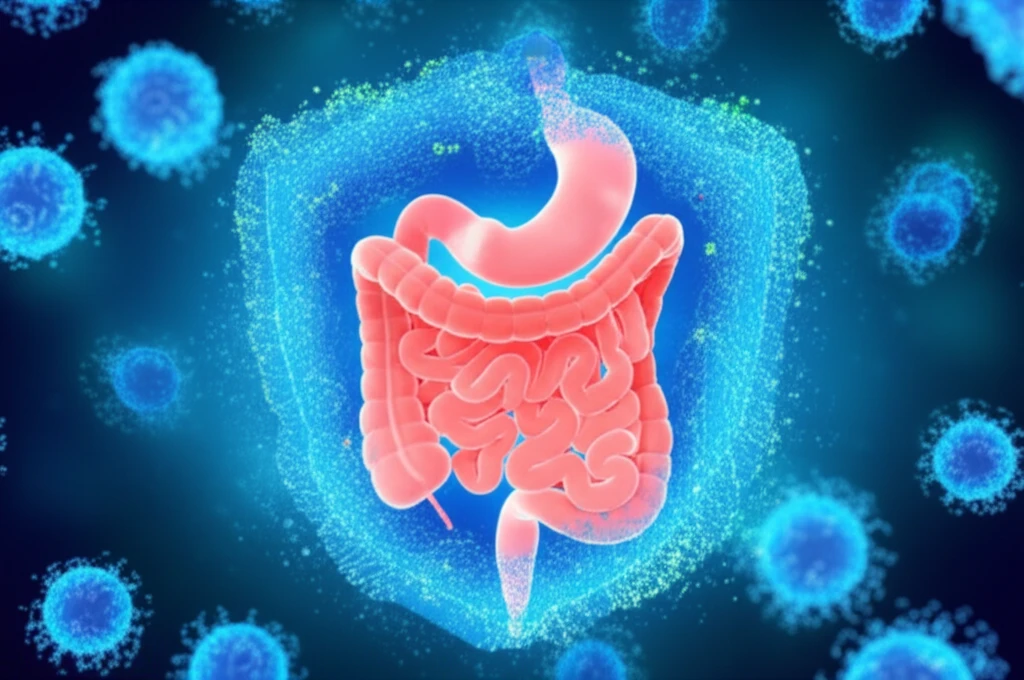
Nitric oxide shield protecting the digestive tract

Gut Check: Can Nitric Oxide Fix Your Digestion?

"Unlocking the potential of nitric oxide for a healthier gut: A breakthrough in digestive health?"


For millions, digestive disorders are a daily battle, from the discomfort of irritable bowel syndrome (IBS) to the debilitating effects of inflammatory bowel disease (IBD). Traditional treatments often fall short, leaving many searching for effective solutions. But what if a simple molecule held the key to unlocking better gut health? Enter nitric oxide (NO), a natural compound with surprising potential.

Nitric oxide plays a crucial role in maintaining the delicate balance of our gastrointestinal (GI) system. This tiny molecule helps regulate everything from blood flow and mucus production to inflammation and smooth muscle function. When this balance is disrupted, it can lead to a host of digestive problems. Scientists are now exploring how harnessing the power of nitric oxide can pave the way for innovative therapies and improved digestive well-being.

This article dives into the exciting world of nitric oxide and its impact on digestive health. We'll explore the latest research, break down complex concepts, and reveal how these findings could translate into real-world solutions for those struggling with gut disorders. Get ready to discover how nitric oxide could revolutionize the way we approach digestive health.

The Gut's Guardian: How Nitric Oxide Protects Your Digestive System

Nitric oxide shield protecting the digestive tract

Nitric oxide is more than just a simple molecule; it's a key player in maintaining a healthy gut. This versatile compound acts as a protector, ensuring the smooth functioning of various processes essential for digestion. Understanding how nitric oxide contributes to overall gut health can highlight its significance in preventing and treating digestive disorders.

One of nitric oxide's primary roles is to maintain mucosal integrity. The mucosal lining of the gastrointestinal tract is a critical barrier that protects the body from harmful substances while allowing the absorption of nutrients. Nitric oxide helps strengthen this barrier by:

  • Enhancing Blood Flow: Ensuring that the gut tissues receive enough oxygen and nutrients to function correctly.
  • Regulating Mucus Production: Stimulating the secretion of mucus, which acts as a lubricant and protective layer against physical and chemical damage.
  • Modulating Inflammation: Helping to control inflammatory responses, preventing excessive inflammation that can damage the gut lining.
By contributing to these essential functions, nitric oxide helps keep the gut lining healthy and resilient. This protective action is crucial for preventing various digestive issues and maintaining overall well-being. When nitric oxide levels are balanced, the gut can better defend itself against injury and disease.

The Future of Gut Health: Nitric Oxide and Beyond

Nitric oxide research is paving the way for new therapies targeting the root causes of digestive disorders. While challenges remain, the potential benefits are immense, offering hope for those seeking relief from IBS, IBD, and other gastrointestinal conditions. As research progresses, we can anticipate even more innovative approaches that leverage the power of nitric oxide for improved gut health.

About this Article -

This article was crafted using a human-AI hybrid and collaborative approach. AI assisted our team with initial drafting, research insights, identifying key questions, and image generation. Our human editors guided topic selection, defined the angle, structured the content, ensured factual accuracy and relevance, refined the tone, and conducted thorough editing to deliver helpful, high-quality information.See our About page for more information.

Everything You Need To Know

1

What is the role of Nitric Oxide in the gastrointestinal system?

In the gastrointestinal (GI) system, Nitric Oxide (NO) is crucial for maintaining the delicate balance necessary for healthy digestion. It helps regulate blood flow, mucus production, inflammation, and smooth muscle function. By ensuring these processes function correctly, Nitric Oxide supports the overall well-being of the gut. The maintenance of mucosal integrity, which protects the body from harmful substances while allowing for nutrient absorption, is also aided by Nitric Oxide.

2

How does Nitric Oxide maintain mucosal integrity within the gut?

Nitric Oxide (NO) maintains the mucosal integrity of the gastrointestinal tract through several mechanisms. Firstly, it enhances blood flow, ensuring that gut tissues receive adequate oxygen and nutrients. Secondly, it regulates mucus production, stimulating the secretion of mucus, which acts as a protective layer and lubricant. Finally, Nitric Oxide modulates inflammation, preventing excessive inflammation that can damage the gut lining. By performing these actions, Nitric Oxide helps to keep the gut lining healthy and resilient, thus preventing digestive issues.

3

Can Nitric Oxide help with Inflammatory Bowel Disease (IBD) and Irritable Bowel Syndrome (IBS)?

The research suggests that Nitric Oxide (NO) could be a potential avenue for new therapies to treat digestive disorders like Inflammatory Bowel Disease (IBD) and Irritable Bowel Syndrome (IBS). While challenges persist, the potential benefits of harnessing Nitric Oxide are significant, offering hope for individuals seeking relief from these and other gastrointestinal conditions. Current studies are exploring innovative approaches that leverage the power of Nitric Oxide for improved gut health, with the aim of targeting the root causes of these disorders.

4

What are the potential implications if the Nitric Oxide balance is disrupted in the gut?

If the balance of Nitric Oxide (NO) is disrupted within the gastrointestinal system, a host of digestive problems can arise. Because Nitric Oxide plays a key role in blood flow, mucus production, and inflammation regulation, any imbalance in these areas can lead to issues. Disrupted blood flow might deprive the gut tissues of necessary oxygen and nutrients. Reduced mucus production could weaken the protective barrier of the gut lining. Uncontrolled inflammation can cause significant damage. These disruptions can contribute to the onset and worsening of various digestive disorders, highlighting the importance of maintaining optimal Nitric Oxide levels for gut health.

5

Beyond the basics, how does Nitric Oxide influence the gut's defense mechanisms, and what does this mean for someone with IBS or IBD?

Beyond its fundamental roles, Nitric Oxide (NO) significantly influences the gut's defense mechanisms by reinforcing the mucosal lining, which is a critical barrier in the gastrointestinal tract. By enhancing blood flow, Nitric Oxide ensures the gut tissues receive adequate oxygen and nutrients, crucial for tissue repair and function. Nitric Oxide stimulates the secretion of mucus, forming a protective layer against physical and chemical damage, thereby supporting the gut's ability to defend against irritants. Furthermore, Nitric Oxide modulates inflammatory responses, preventing excessive inflammation that could harm the gut lining. For individuals with IBS or IBD, these protective effects of Nitric Oxide are particularly important, as these conditions often involve compromised gut barrier function and chronic inflammation. Therefore, therapies aimed at boosting Nitric Oxide could offer a way to strengthen the gut's defense, potentially reducing symptoms and improving the overall quality of life for those affected by these challenging conditions.

Newsletter Subscribe

Subscribe to get the latest articles and insights directly in your inbox.