
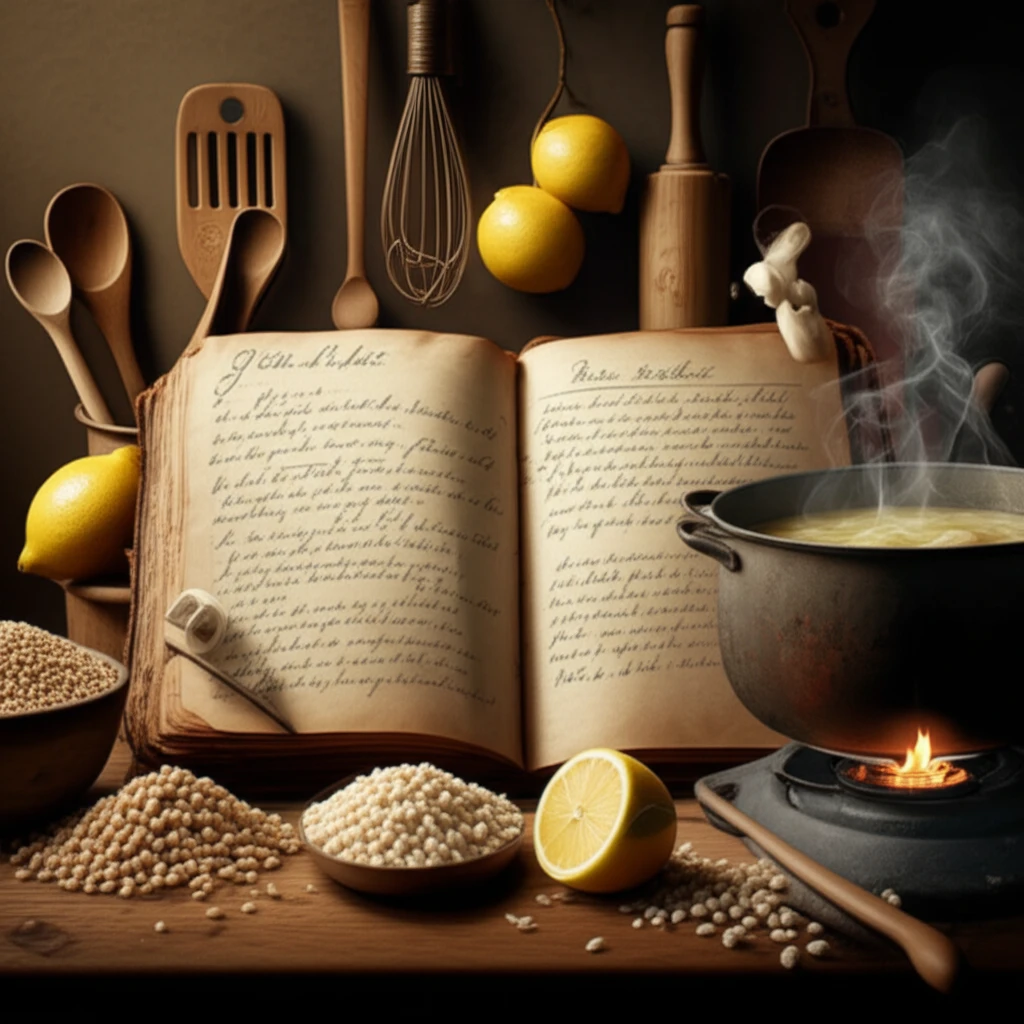
A vintage Australian cookbook with handwritten recipes for invalid cookery.

Grandma's Remedies: Unearthing Australia's Lost Invalid Cookery Wisdom

"From beef tea to barley water, discover the surprising history and practical advice hidden in Australian cookbooks from 1860-1950 for feeding the sick and convalescent."


Long before dietitians graced Australian hospitals, advice on nourishing the sick resided within the pages of domestic cookbooks. Spanning from 1860 to 1950, these culinary guides offered a unique glimpse into how families cared for their ailing loved ones, providing recipes and tips tailored for invalids and convalescents.

While today's medical landscape boasts advanced nutritional science, these historical cookbooks offer a fascinating window into a time when home remedies and culinary wisdom played a central role in healthcare. Delving into these texts reveals not just recipes, but also the underlying beliefs and practices surrounding food and healing in early Australia.

This article explores the prevalence of invalid cookery recipes in Australian cookbooks from 1860 to 1950. It will uncover the types of dishes considered suitable for invalids, summarise the general advice on feeding the sick at home, and consider the lasting relevance of this forgotten culinary tradition.

A Culinary Time Capsule: What Australians Fed the Sick (1860-1950)

A vintage Australian cookbook with handwritten recipes for invalid cookery.

A comprehensive review of 889 Australian cookbook titles published between 1860 and 1950 revealed that 25% included recipes specifically designed for invalids or convalescents. This translates to a substantial collection of 1,471 distinct recipes, with a clear emphasis on beverages, desserts, and soups.

The most frequently recommended dishes paint a picture of gentle nourishment and easily digestible options. Beef tea, barley water, gruel, and various meat broths dominated the culinary landscape for the sick, reflecting a focus on simple, fortifying foods.

  • Beverages (24%): Drinks like orgeat (barley or almond beverage), negus (wine with hot water and spices), and koumiss (fermented milk drink) aimed to provide hydration and gentle sustenance.
  • Desserts (21%): Light and appealing desserts such as junket, milk jelly, and baked apples offered a source of comfort and easy calories.
  • Soups (14%): Broths and panadas (bread soups) provided warmth and nourishment in an easily digestible form.
Beyond these common recipes, the cookbooks also featured dishes less familiar to modern palates, such as calf's foot jelly, albumen water, and even brain canapés, reflecting the culinary practices and available ingredients of the time.

Lessons from the Past: Reassessing Invalid Cookery Today

The decline of invalid cookery sections in cookbooks coincided with the rise of dietetics as a profession in Australia, suggesting a shift towards expert-led nutritional advice. However, these historical recipes and recommendations still offer valuable insights into the principles of gentle nourishment and catering to individual needs.

Many of the general principles found in these books, such as small, frequent meals, avoidance of excessive fats and seasonings, and attention to presentation, echo the requirements of the "light diet" once common in hospitals. While modern guidelines have evolved, the emphasis on easily digestible and appealing foods remains relevant for those recovering from illness.

Further research into the sources and rationale behind the advice in these cookbooks is warranted, potentially offering a fresh perspective on how we approach feeding and caring for the sick today. Perhaps Grandma knew best, and it's time to revisit her culinary wisdom.

About this Article -

This article was crafted using a human-AI hybrid and collaborative approach. AI assisted our team with initial drafting, research insights, identifying key questions, and image generation. Our human editors guided topic selection, defined the angle, structured the content, ensured factual accuracy and relevance, refined the tone, and conducted thorough editing to deliver helpful, high-quality information.See our About page for more information.

This article is based on research published under:

DOI-LINK: 10.1111/1747-0080.12468, Alternate LINK

Title: Advice And Recipes For Invalid And Convalescent Cookery In Australian Cookbooks 1860-1950

Subject: Nutrition and Dietetics

Journal: Nutrition & Dietetics

Publisher: Wiley

Authors: Peter Williams

Published: 2018-08-28

Everything You Need To Know

1

What is invalid cookery?

The term "invalid cookery" refers to the practice of preparing specific foods and meals for individuals who are sick or recovering from an illness. This culinary approach was prevalent in Australian cookbooks from 1860 to 1950. These recipes aimed to provide gentle nourishment and easy-to-digest options to aid in recovery. Examples include dishes like beef tea, barley water, and various meat broths. This practice was especially important before the advent of modern medicine.

2

How common were invalid cookery recipes in Australian cookbooks from 1860 to 1950?

Australian cookbooks from 1860 to 1950 included a significant number of recipes for invalids and convalescents. A review of 889 cookbook titles revealed that 25% contained these specialized recipes, representing a substantial collection of 1,471 distinct recipes. This high percentage demonstrates the importance placed on home-based care and the role of food in the healing process during that era. These dishes were tailored to provide comfort and necessary nutrients.

3

What are some examples of dishes typically found in invalid cookery?

Beef tea, barley water, and gruel were among the most common dishes featured in the cookbooks. These options provided easily digestible nourishment. Beyond those staples, there were also beverages like orgeat, negus and koumiss. Desserts such as junket, milk jelly, and baked apples were also frequent. Soups and broths were prepared, ensuring a source of warmth and nutrients in an easy-to-consume form. These recipes reflect the era's understanding of the importance of gentle, easily processed foods for those with health issues.

4

What was the purpose of these foods?

The dishes offered a source of comfort and easy calories. Examples include dishes like beef tea, barley water, and various meat broths. The main purpose of the recipes was to support the sick or convalescing in a time when medical understanding and resources were limited. These were easier on the digestive system.

5

What is the significance of invalid cookery today?

The decline in invalid cookery sections in cookbooks coincided with the rise of dietetics as a profession in Australia, suggesting a shift from home remedies to expert-led nutritional advice. However, the historical recipes and recommendations still provide insights into the principles of gentle nourishment and tailoring food to individual needs. It reveals the importance of home care and the culinary wisdom that was essential during the period of 1860 to 1950.

Newsletter Subscribe

Subscribe to get the latest articles and insights directly in your inbox.