
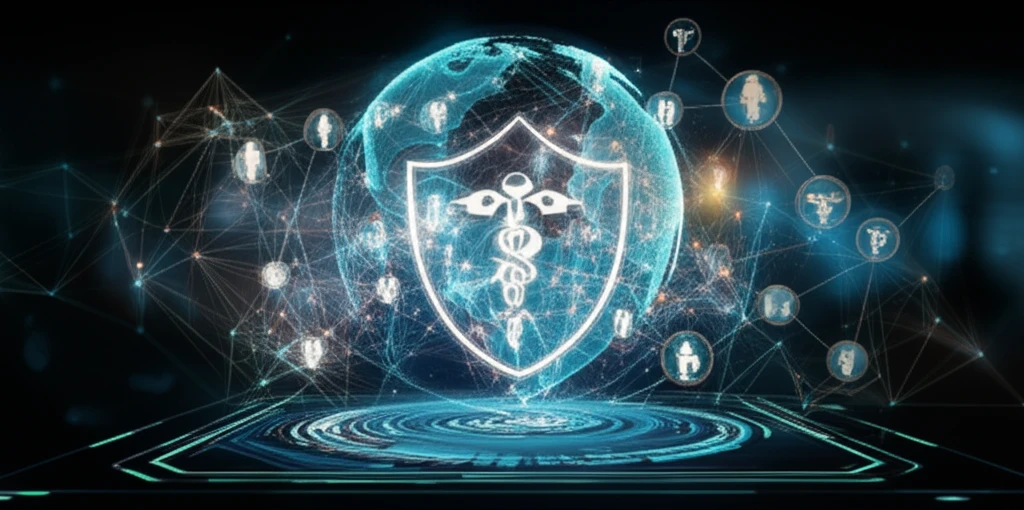
Global health security symbolized by interconnected networks and a protective shield.

Global Health Security: Are We Ready for the Next Pandemic?

"A look at the World Health Organization's efforts to implement International Health Regulations and prepare for future health crises."


In an increasingly interconnected world, the threat of infectious diseases knows no borders. The COVID-19 pandemic served as a stark reminder of the devastating impact a novel pathogen can have on global health, economies, and societies. In response to these challenges, the World Health Organization (WHO) has been working diligently to implement the International Health Regulations (IHR), a legally binding framework designed to prevent and respond to international health emergencies.

Adopted in 2005 and entering into force in 2007, the IHR provide a comprehensive set of guidelines for countries to strengthen their national capacities to detect, assess, and respond to public health events. These regulations aim to improve global health security by establishing a coordinated approach to managing health risks, facilitating information sharing, and promoting collaboration among nations.

This article examines the WHO's perspective on the implementation of the IHR, highlighting key achievements, ongoing challenges, and future directions. By understanding the progress made and the obstacles that remain, we can better assess our collective readiness for the next pandemic and work towards a more secure global health landscape.

Building Blocks of Global Health Security: National Focal Points

Global health security symbolized by interconnected networks and a protective shield.

One of the first steps in strengthening global health security is establishing effective communication channels between countries and the WHO. The IHR mandate the creation of National Focal Points (NFPs) in each member state, serving as central hubs for information sharing and coordination during public health emergencies.

NFPs are responsible for:

  • Proactively notifying the WHO of relevant health events within their country.
  • Responding to WHO requests for event-related information.
  • Disseminating messages and advice from the WHO to relevant actors within the country.
  • Working with the WHO on IHR implementation and providing feedback on country needs and concerns.
While the establishment of NFPs has been a significant achievement, challenges remain in ensuring their optimal functionality. These include difficulties in maintaining up-to-date contact information, establishing round-the-clock communication protocols, and ensuring that NFPs have the necessary authority to access and share information across different government sectors. Addressing these challenges is crucial for enhancing the effectiveness of NFPs and strengthening global health security.

The Road Ahead: Strengthening Core Capacities and Collaboration

The IHR represent a significant step forward in global health security, providing a legal framework for countries to strengthen their national capacities and work together to prevent and respond to public health emergencies. However, the implementation of the IHR is an ongoing process, and challenges remain in ensuring that all countries have the necessary resources and capabilities to meet their obligations.

One of the key priorities is to strengthen national core capacities, which include the ability to detect, assess, and respond to a wide range of health hazards. This requires investments in public health infrastructure, laboratory capacity, and trained personnel. It also requires effective coordination among different government sectors and strong partnerships with the private sector and civil society.

As we approach future milestones, it is essential to continue to build on the progress made in implementing the IHR, addressing the remaining challenges, and working together to create a more secure and resilient global health system. Only through sustained commitment and collaboration can we hope to prevent the next pandemic and protect the health and well-being of people around the world.

About this Article -

This article was crafted using a human-AI hybrid and collaborative approach. AI assisted our team with initial drafting, research insights, identifying key questions, and image generation. Our human editors guided topic selection, defined the angle, structured the content, ensured factual accuracy and relevance, refined the tone, and conducted thorough editing to deliver helpful, high-quality information.See our About page for more information.

This article is based on research published under:

DOI-LINK: 10.3201/eid1807.120395, Alternate LINK

Title: World Health Organization Perspective On Implementation Of International Health Regulations

Subject: Infectious Diseases

Journal: Emerging Infectious Diseases

Publisher: Centers for Disease Control and Prevention (CDC)

Authors: Maxwell Charles Hardiman

Published: 2012-07-01

Everything You Need To Know

1

What is the purpose of the International Health Regulations (IHR)?

The World Health Organization (WHO) implements the International Health Regulations (IHR) as a legally binding framework to manage international health emergencies. These regulations, adopted in 2005 and in force since 2007, guide countries in strengthening their national capabilities to detect, assess, and respond to public health events. The IHR establishes a coordinated approach to health risk management, promotes information sharing, and encourages international collaboration, all crucial elements for global health security.

2

Why are the International Health Regulations (IHR) so important?

The International Health Regulations (IHR) are important because they provide a framework for preventing and responding to international health emergencies. The COVID-19 pandemic highlighted the devastating impact a novel pathogen can have on global health and economies. The IHR aim to improve global health security by establishing a coordinated approach to managing health risks, facilitating information sharing, and promoting collaboration among nations. This framework is vital for a collective, global response to future pandemics.

3

Why are National Focal Points (NFPs) so important?

National Focal Points (NFPs) are critical because they serve as the primary communication hubs between countries and the World Health Organization (WHO) during public health emergencies. They are mandated by the International Health Regulations (IHR). The NFPs are responsible for notifying the WHO of relevant health events, responding to the WHO's requests for information, disseminating messages and advice from the WHO within the country, and collaborating with the WHO on IHR implementation. Their efficiency directly impacts the effectiveness of the global response to health crises.

4

What are the main responsibilities of National Focal Points (NFPs)?

The main responsibilities of National Focal Points (NFPs) include notifying the World Health Organization (WHO) of health events, responding to WHO requests for information, distributing WHO advice within the country, and working with the WHO on the implementation of the International Health Regulations (IHR). They ensure that relevant actors within a country receive the necessary information and that the WHO receives timely updates. This two-way communication is vital for effective global health security.

5

What are the major challenges in implementing the International Health Regulations (IHR)?

Challenges in implementing the International Health Regulations (IHR) include ensuring National Focal Points (NFPs) maintain up-to-date contact information, establishing 24/7 communication, and giving NFPs the authority to share information across government sectors. Addressing these challenges is crucial because they directly impact the effectiveness of global health security. Improving these aspects can enhance the speed and accuracy of information sharing, leading to a more effective coordinated response to global health emergencies. The implementation of IHR is an ongoing process, and challenges remain in ensuring that all countries have the necessary resources and capabilities to meet their obligations.

Newsletter Subscribe

Subscribe to get the latest articles and insights directly in your inbox.