
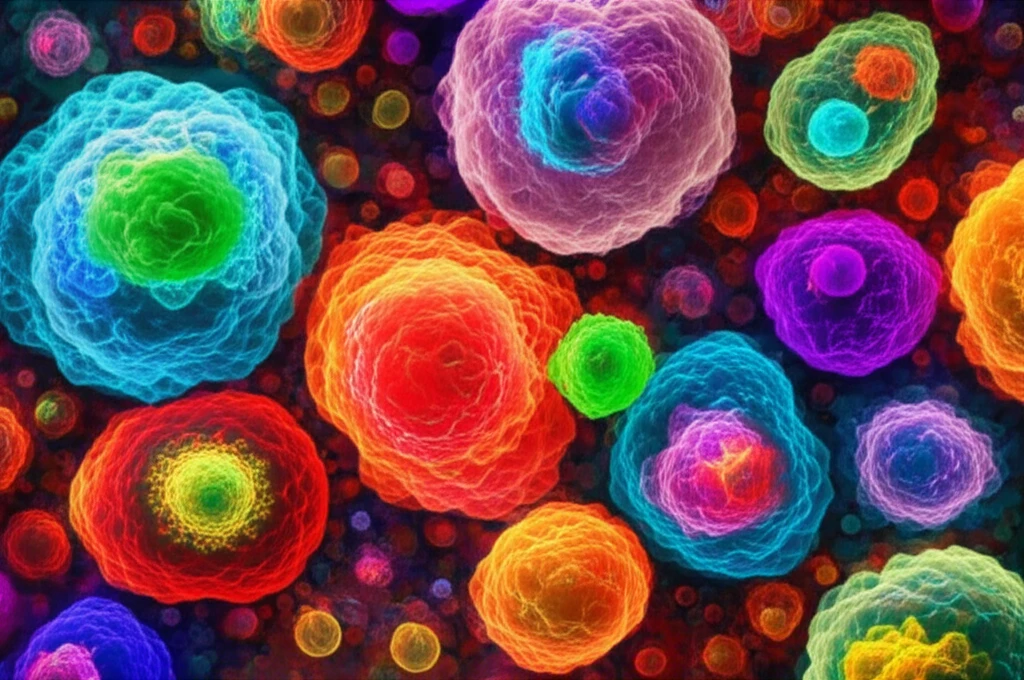
Microscopic view of glioblastoma tumor with rapidly dividing cells.

Glioblastoma Recurrence: Can a Tumor's Microscopic Features Predict Survival?

"New research explores how specific characteristics of recurrent glioblastoma tumors, viewed under a microscope, might help predict a patient's overall survival."


Glioblastoma (GBM) is a particularly aggressive type of brain cancer. Even with the best treatments—surgery, radiation, and chemotherapy—the cancer often returns. When GBM recurs, doctors face tough decisions about the next steps. Understanding the characteristics of the recurrent tumor could help guide these decisions and improve patient outcomes.

After initial treatment, distinguishing between true tumor recurrence and changes caused by radiation can be challenging. A procedure to remove the recurrent tumor to give doctors more clarity. Examining the removed tissue under a microscope (histopathological analysis) is crucial.

Researchers have been working to identify specific features in these recurrent tumor samples that might indicate how the cancer will behave. A recent study delved into this, exploring whether certain microscopic characteristics of recurrent glioblastoma tumors are linked to a patient's overall survival.

Unlocking the Secrets Within: Key Microscopic Features and Their Impact

Microscopic view of glioblastoma tumor with rapidly dividing cells.

Researchers at the University of Pennsylvania conducted a detailed study analyzing glioblastoma samples from 37 patients who underwent repeat surgery for recurrent tumors. The goal was to carefully quantify various histopathological features and see if any of them correlated with how long patients lived after the surgery. Here’s what they looked at:

Viable Tumor Extent: This involved estimating the percentage of the sample that was actually made up of tumor cells and how densely packed those cells were.

  • Mitotic Activity: The number of cells actively dividing (mitoses) in a specific area of the tumor.
  • Ki-67 Proliferative Index: A measure of how many tumor cells are actively growing and dividing. A high Ki-67 index indicates a more aggressive tumor.
  • Therapy-Related Changes: Signs of treatment effects, such as hyalinization (thickening of blood vessel walls), rarefaction (tissue thinning), hemosiderin deposition (iron buildup), and geographic necrosis (areas of cell death).
The scientists carefully reviewed the samples, blinded to patient information, and meticulously recorded their observations for each of these features. Then, they used statistical methods to determine if any of these microscopic characteristics were associated with overall survival (OS).

What Does It All Mean? Key Takeaways and Future Directions

This study sheds light on the complex nature of recurrent glioblastoma and highlights the importance of carefully analyzing tumor samples at a microscopic level. While the extent of viable tumor and therapy-related changes didn't strongly predict survival, the Ki-67 index did emerge as a significant factor. This suggests that aggressive cell proliferation may be a key driver of recurrence and a potential target for future therapies. More research is needed with larger groups of patients to confirm these findings and explore other potential factors that influence survival in recurrent glioblastoma.

About this Article -

This article was crafted using a human-AI hybrid and collaborative approach. AI assisted our team with initial drafting, research insights, identifying key questions, and image generation. Our human editors guided topic selection, defined the angle, structured the content, ensured factual accuracy and relevance, refined the tone, and conducted thorough editing to deliver helpful, high-quality information.See our About page for more information.

This article is based on research published under:

DOI-LINK: 10.1007/s11060-018-03050-6, Alternate LINK

Title: Histopathologic Quantification Of Viable Tumor Versus Treatment Effect In Surgically Resected Recurrent Glioblastoma

Subject: Cancer Research

Journal: Journal of Neuro-Oncology

Publisher: Springer Science and Business Media LLC

Authors: Stephen J. Bagley, Robert D. Schwab, Ernest Nelson, Angela N. Viaene, Zev A. Binder, Robert A. Lustig, Donald M. O’Rourke, Steven Brem, Arati S. Desai, Maclean P. Nasrallah

Published: 2018-11-16

Everything You Need To Know

1

What is Glioblastoma Recurrence?

Glioblastoma (GBM) is a very aggressive type of brain cancer, that frequently returns even after surgery, radiation, and chemotherapy. When the cancer returns, it is referred to as Glioblastoma recurrence. Understanding the characteristics of the recurrent tumor can help doctors make informed decisions about further treatment, improving the likelihood of better patient outcomes. This study focuses on the microscopic features of the recurrent tumors to help predict patient survival.

2

What microscopic features were examined to predict survival?

Researchers examined several microscopic features of the recurrent Glioblastoma tumors to predict patient survival. These included the Viable Tumor Extent, which estimated the percentage and density of tumor cells. Mitotic Activity, which is the number of actively dividing cells (mitoses). The Ki-67 Proliferative Index, measuring the growth and division rate of tumor cells. Therapy-Related Changes were also examined, including the effects of prior treatments such as hyalinization, rarefaction, hemosiderin deposition, and geographic necrosis. These factors were carefully analyzed to determine their correlation with overall survival.

3

What did the Ki-67 Proliferative Index indicate?

The Ki-67 Proliferative Index emerged as a significant factor in predicting survival in patients with recurrent Glioblastoma. This index reflects the rate at which tumor cells are actively growing and dividing. A high Ki-67 index indicates more aggressive cell proliferation, which suggests a potentially shorter survival time. The findings suggest that aggressive cell proliferation may be a key driver of recurrence and a potential target for future therapies.

4

Why is histopathological analysis important?

Histopathological analysis involves examining the removed tissue of the recurrent Glioblastoma tumor under a microscope. This analysis is crucial because it allows researchers to identify and quantify specific microscopic features of the tumor. This provides valuable insights into how the cancer might behave. By understanding these features, doctors can potentially tailor treatment plans to improve patient outcomes. It is especially useful because it provides more clarity when distinguishing between a true tumor recurrence and changes caused by radiation.

5

What are the next steps in this research?

More research is needed with larger groups of patients to confirm these findings and explore other potential factors that influence survival in recurrent Glioblastoma. This study highlights the complex nature of recurrent Glioblastoma and highlights the importance of carefully analyzing tumor samples at a microscopic level. This research can guide future therapies and improve the likelihood of positive patient outcomes. Additional research can explore other potential factors that influence survival, which can lead to more effective treatment strategies and improved patient care in the future.

Newsletter Subscribe

Subscribe to get the latest articles and insights directly in your inbox.