
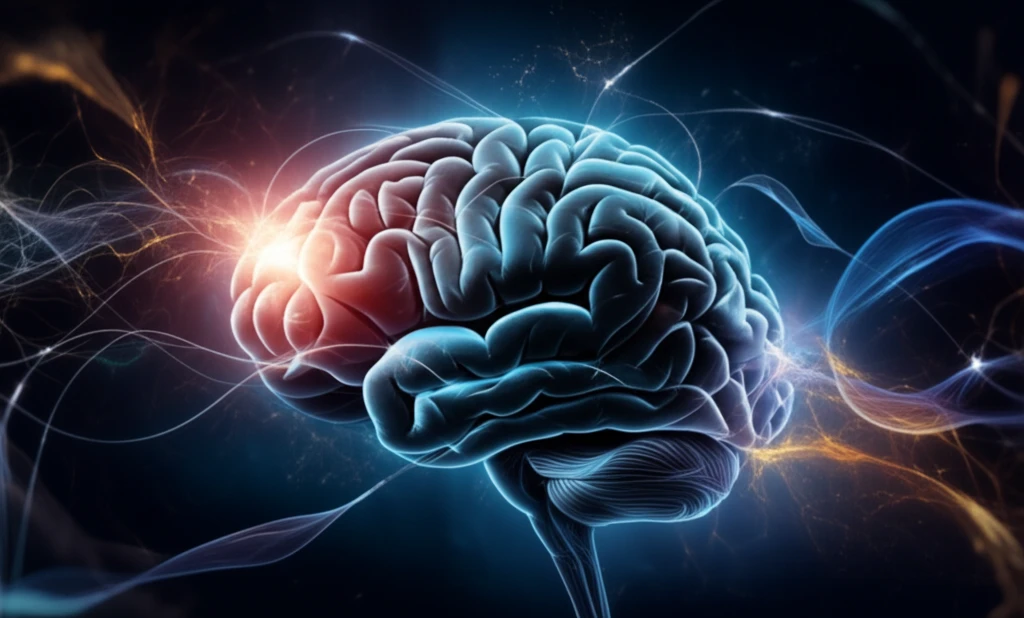
Illustration of Tumor Treating Fields disrupting glioblastoma cells in the brain, symbolizing a breakthrough in cancer treatment.

Glioblastoma Breakthrough: How Tumor-Treating Fields Offer Hope Against Aggressive Brain Cancer

"Groundbreaking Research Reveals the Power of Targeted Therapy in Combating Glioblastoma, Offering New Hope for Patients."


Glioblastoma (GB), a notoriously aggressive form of brain cancer, has long presented a formidable challenge to medical professionals. Characterized by rapid growth and resistance to conventional treatments, GB has historically carried a grim prognosis. However, recent advancements in medical research have unveiled a promising new avenue for combating this devastating disease: Tumor-Treating Fields (TTFields).

This innovative therapy, which utilizes electric fields to disrupt cancer cell division, has shown remarkable efficacy in clinical trials. This article will delve into the groundbreaking research highlighting the power of TTFields, especially when combined with existing treatments. We'll explore how this targeted approach is transforming the landscape of GB treatment and offering new hope to patients and their families.

The focus of this article is the molecular evolution of a Glioblastoma and how it was controlled with Tumor Treating Fields and Temozolomide. The article delves into the specifics of this form of treatment

Understanding Glioblastoma and the Challenge of Treatment

Illustration of Tumor Treating Fields disrupting glioblastoma cells in the brain, symbolizing a breakthrough in cancer treatment.

Glioblastoma is an aggressive form of brain cancer that originates in the glial cells, which support the neurons in the brain. Its rapid growth and ability to invade surrounding tissues make it incredibly difficult to treat. Traditional treatments, such as surgery, radiation, and chemotherapy, often face limitations due to the cancer's resistance and the delicate nature of the brain tissue.

The standard treatment for glioblastoma typically involves surgical removal of the tumor, followed by radiation therapy and chemotherapy with temozolomide. Despite these aggressive measures, recurrence is common, and the prognosis for patients remains challenging.

  • Glioblastoma is a fast-growing brain cancer, posing significant treatment challenges.
  • Standard treatments include surgery, radiation, and chemotherapy.
  • Recurrence is common, and the prognosis is often poor.
The traditional treatments have been improved by Tumor Treating Fields (TTFields). It is a relatively new way to try and stop the cancer from growing. The way that it works is that it uses electricity that is designed to stop cancer from growing

A New Era in Glioblastoma Treatment

The research presented in this article underscores the potential of Tumor-Treating Fields in the fight against glioblastoma. As we continue to learn more about the intricate biology of this disease, innovative therapies like TTFields offer a beacon of hope, paving the way for improved outcomes and a better quality of life for those affected by this devastating cancer.

About this Article -

This article was crafted using a human-AI hybrid and collaborative approach. AI assisted our team with initial drafting, research insights, identifying key questions, and image generation. Our human editors guided topic selection, defined the angle, structured the content, ensured factual accuracy and relevance, refined the tone, and conducted thorough editing to deliver helpful, high-quality information.See our About page for more information.

This article is based on research published under:

DOI-LINK: 10.3389/fonc.2018.00451, Alternate LINK

Title: Molecular Evolution Of A Glioblastoma Controlled With Tumor Treating Fields And Concomitant Temozolomide

Subject: Cancer Research

Journal: Frontiers in Oncology

Publisher: Frontiers Media SA

Authors: H. Ian Robins, Huytram N. Nguyen, Aaron Field, Steven Howard, Shahriar Salamat, Dustin A. Deming

Published: 2018-10-15

Everything You Need To Know

1

What exactly are Tumor-Treating Fields (TTFields) and how do they work to combat Glioblastoma?

Tumor-Treating Fields (TTFields) are an innovative cancer therapy that utilizes electric fields to disrupt cancer cell division. In the context of Glioblastoma (GB) treatment, TTFields target the rapidly dividing Glioblastoma cells, interfering with their ability to multiply and spread. By impeding cell division, TTFields can slow down tumor growth and potentially improve outcomes for patients. This approach is often used in conjunction with other standard treatments like surgery, radiation, and chemotherapy with Temozolomide to enhance their effectiveness. The research indicates that combining TTFields with existing treatments shows a significant improvement in managing this aggressive brain cancer.

2

Why is Glioblastoma such a challenging cancer to treat, and what limitations do traditional treatments face?

Glioblastoma (GB) presents significant treatment challenges due to its aggressive nature, rapid growth, and ability to invade surrounding brain tissues. Traditional treatments like surgery, radiation, and chemotherapy often face limitations because Glioblastoma cells can develop resistance to these therapies. Additionally, the delicate nature of the brain tissue surrounding the tumor makes complete surgical removal difficult, and the cancer's tendency to recur further complicates treatment efforts. The standard treatment for Glioblastoma typically involves surgical removal of the tumor, followed by radiation therapy and chemotherapy with Temozolomide. Despite these aggressive measures, recurrence is common, and the prognosis for patients remains challenging. Tumor Treating Fields are a new approach to improve on traditional treatments.

3

In addition to TTFields, what other standard treatments are used for Glioblastoma, and what are their respective roles?

Standard treatments for Glioblastoma (GB) typically include surgery, radiation therapy, and chemotherapy. Surgery aims to remove as much of the tumor as possible without damaging critical brain functions. Radiation therapy uses high-energy rays to kill remaining cancer cells after surgery. Chemotherapy, often involving Temozolomide, is a systemic treatment that targets cancer cells throughout the body. While each plays a crucial role in managing Glioblastoma, these treatments have limitations due to the cancer's aggressive nature and resistance. TTFields are used in conjunction with these treatments to try and improve survival rates.

4

How does the integration of Tumor-Treating Fields (TTFields) with Temozolomide impact the overall molecular evolution and control of Glioblastoma?

The integration of Tumor-Treating Fields (TTFields) with Temozolomide, a chemotherapy drug, represents a multi-pronged approach to controlling Glioblastoma's molecular evolution. Temozolomide disrupts the DNA of cancer cells, inhibiting their growth, while TTFields use electric fields to interfere with cell division. This combination targets Glioblastoma cells through different mechanisms, potentially overcoming resistance that might develop with single-agent treatments. By attacking the cancer cells on multiple fronts, the combined therapy aims to slow down the tumor's adaptation and evolution, improving overall control and potentially extending patient survival. The research focuses on the specifics of this combined treatment and how it has shown remarkable efficacy in clinical trials.

5

What is the prognosis for Glioblastoma patients, and how do Tumor-Treating Fields (TTFields) offer hope for improved outcomes and quality of life?

Historically, the prognosis for Glioblastoma (GB) patients has been grim due to the cancer's aggressive nature and resistance to traditional treatments. Recurrence is common, and overall survival rates have been low. Tumor-Treating Fields (TTFields) offer hope by providing a novel, targeted therapy that can disrupt cancer cell division and slow tumor growth. When combined with standard treatments like surgery, radiation, and chemotherapy with Temozolomide, TTFields have shown the potential to improve outcomes and extend survival for some patients. Moreover, by targeting cancer cells specifically, TTFields may help preserve the quality of life by minimizing damage to healthy brain tissue.

Newsletter Subscribe

Subscribe to get the latest articles and insights directly in your inbox.