
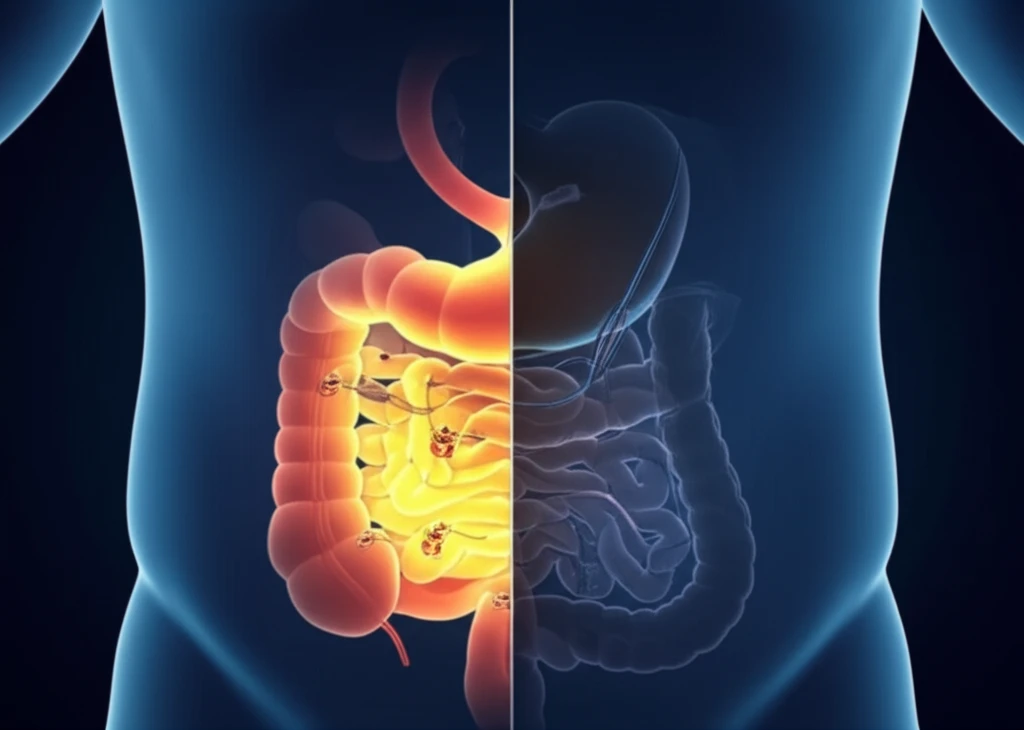
Comparison of Laparoscopic Pyloroplasty and Endoscopic Pyloromyotomy for Gastroparesis Treatment

Gastroparesis Treatment: Is Laparoscopic Pyloroplasty or Endoscopic Pyloromyotomy Right for You?

"Navigating the Options for Gastroparesis Relief: A comparison of Laparoscopic Pyloroplasty and Endoscopic Per-Oral Pyloromyotomy"


Gastroparesis, a condition characterized by delayed stomach emptying, can significantly impact quality of life. This debilitating functional disorder disrupts normal digestion, leading to symptoms like nausea, vomiting, bloating, and early satiety. While dietary changes and medications can provide some relief, many individuals with gastroparesis find themselves seeking more advanced treatment options.

When medications fail to provide adequate relief, surgical and endoscopic interventions may be considered. Two common approaches are laparoscopic pyloroplasty (LP) and endoscopic per-oral pyloromyotomy (POP). Both procedures aim to improve stomach emptying by modifying the pylorus, a muscular valve that controls the flow of food from the stomach to the small intestine.

Choosing the right procedure can be challenging. This article breaks down the key differences between LP and POP, comparing their effectiveness, risks, and benefits. By understanding these options, you can have a more informed discussion with your doctor and find the best path toward managing your gastroparesis.

Laparoscopic Pyloroplasty (LP): A Surgical Approach to Gastroparesis Relief

Comparison of Laparoscopic Pyloroplasty and Endoscopic Pyloromyotomy for Gastroparesis Treatment

Laparoscopic pyloroplasty (LP) is a surgical procedure performed under general anesthesia. The surgeon makes small incisions in the abdomen and uses specialized instruments to access the pylorus. The pylorus is then surgically altered to widen the opening between the stomach and small intestine.

The procedure involves:

  • Incision and Suturing: The surgeon makes a longitudinal incision through the pylorus, extending slightly into the duodenum and stomach. This incision is then closed transversely, effectively widening the pyloric channel.
  • Heineke-Mikulicz Technique: This classical surgical technique ensures the pylorus remains open and functional, facilitating easier passage of food.
  • Endoscopic Evaluation: To confirm the pylorus is sufficiently open and that there are no leaks, a gastroscope is inserted during the procedure.
While LP can be effective, it's essential to be aware of potential complications, including surgical site infections and pneumonia. Patients undergoing LP may also experience a longer hospital stay compared to endoscopic options.

Making an Informed Decision About Gastroparesis Treatment

Both laparoscopic pyloroplasty and endoscopic per-oral pyloromyotomy offer potential relief from the symptoms of gastroparesis. While POP demonstrates fewer perioperative risks, the decision ultimately relies on individual patient factors and medical history. By having detailed discussions with healthcare providers and weighing all potential benefits and risks, patients can make informed decisions that lead them towards improved health outcomes.

About this Article -

This article was crafted using a human-AI hybrid and collaborative approach. AI assisted our team with initial drafting, research insights, identifying key questions, and image generation. Our human editors guided topic selection, defined the angle, structured the content, ensured factual accuracy and relevance, refined the tone, and conducted thorough editing to deliver helpful, high-quality information.See our About page for more information.

This article is based on research published under:

DOI-LINK: 10.1007/s00464-018-6342-6, Alternate LINK

Title: Laparoscopic Pyloroplasty Versus Endoscopic Per-Oral Pyloromyotomy For The Treatment Of Gastroparesis

Subject: Surgery

Journal: Surgical Endoscopy

Publisher: Springer Science and Business Media LLC

Authors: Joshua P. Landreneau, Andrew T. Strong, Kevin El-Hayek, Chao Tu, James Villamere, Jeffrey L. Ponsky, Matthew D. Kroh, John H. Rodriguez

Published: 2018-07-17

Everything You Need To Know

1

What is Gastroparesis, and how does it affect daily life?

Gastroparesis is a condition where the stomach empties its contents at a delayed rate. This functional disorder disrupts normal digestion, causing symptoms such as nausea, vomiting, bloating, and early satiety. These symptoms can significantly diminish a person's quality of life, making it difficult to eat, maintain adequate nutrition, and engage in regular daily activities. It is a debilitating condition affecting the normal functions of the stomach.

2

When are surgical or endoscopic interventions like Laparoscopic Pyloroplasty (LP) and Endoscopic Per-Oral Pyloromyotomy (POP) considered for Gastroparesis?

Surgical and endoscopic interventions are typically considered when medications and dietary changes fail to provide sufficient relief from the symptoms of Gastroparesis. Both Laparoscopic Pyloroplasty (LP) and Endoscopic Per-Oral Pyloromyotomy (POP) are aimed at improving stomach emptying by modifying the pylorus, the muscular valve controlling food flow from the stomach to the small intestine. These procedures are considered when the severity of symptoms impacts a patient's daily life and overall well-being despite medical management.

3

How does Laparoscopic Pyloroplasty (LP) work, and what are the key steps involved?

Laparoscopic Pyloroplasty (LP) is a surgical procedure performed under general anesthesia. The surgeon makes small incisions in the abdomen and uses specialized instruments to access the pylorus. The pylorus is then surgically altered to widen the opening between the stomach and small intestine. The main steps include: incision and suturing, where the surgeon makes a longitudinal incision through the pylorus, extending slightly into the duodenum and stomach, and then closes it transversely to widen the pyloric channel, and the Heineke-Mikulicz Technique, which ensures the pylorus remains open and functional. Finally, an endoscopic evaluation using a gastroscope is performed to confirm the pylorus is sufficiently open and there are no leaks.

4

What are the potential risks and benefits associated with Laparoscopic Pyloroplasty (LP)?

Laparoscopic Pyloroplasty (LP) can be effective in improving stomach emptying and relieving Gastroparesis symptoms. However, potential risks include surgical site infections and pneumonia. Patients undergoing LP may also experience a longer hospital stay compared to endoscopic options. The benefits include the potential for significant symptom relief, enabling improved digestion and enhanced quality of life. It's crucial to discuss these risks and benefits with your healthcare provider to make an informed decision based on your individual medical history and condition.

5

How do I decide between Laparoscopic Pyloroplasty (LP) and Endoscopic Per-Oral Pyloromyotomy (POP) for Gastroparesis treatment?

Deciding between Laparoscopic Pyloroplasty (LP) and Endoscopic Per-Oral Pyloromyotomy (POP) requires a detailed discussion with your healthcare providers. While Endoscopic Per-Oral Pyloromyotomy (POP) often demonstrates fewer perioperative risks, the best choice relies on individual patient factors and medical history. Factors to consider include the severity of your symptoms, your overall health, and the potential benefits and risks of each procedure. By carefully weighing all the information and discussing your concerns, you can make an informed decision to achieve the best possible health outcomes.

Newsletter Subscribe

Subscribe to get the latest articles and insights directly in your inbox.