
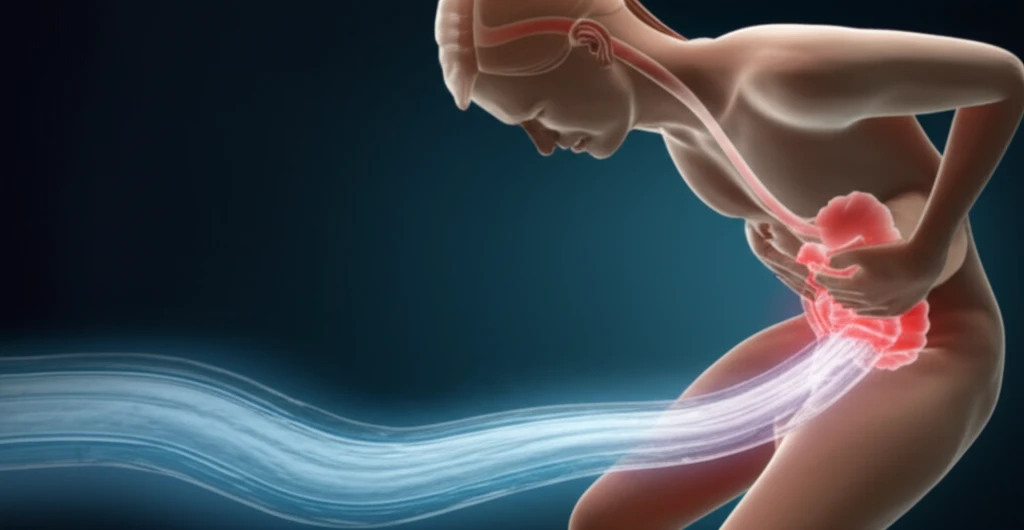
Illustration symbolizing relief from constipation using gastrografin

Gastrografin vs. Enemas: Which Treatment Offers Faster Relief from Severe Constipation?

"A randomized clinical trial reveals that gastrografin may provide more effective and faster relief from fecal impaction than traditional enemas."


Fecal impaction (FI), the uncomfortable condition where a large, hardened mass of stool gets stuck in your intestine, is more common than you might think. It's not just a physical discomfort; FI can lead to significant distress and potential health complications, especially for older adults and young children. While enemas have long been a standard treatment, they can be unpleasant and sometimes not as effective as needed.

A study from China sheds light on an alternative treatment: gastrografin. Traditionally used as a radiologic contrast agent, gastrografin has shown promise in breaking up and resolving fecal impactions. The study suggests that gastrografin, administered through a nasointestinal tube, may offer a more effective and better-tolerated solution than enemas for those suffering from severe chronic constipation.

This article will dive into the details of this clinical trial, comparing the effectiveness, benefits, and potential side effects of gastrografin versus enemas. Whether you're a healthcare provider or someone seeking relief from chronic constipation, understanding these options is crucial for making informed decisions about your health.

What is Gastrografin and How Does It Work?

Illustration symbolizing relief from constipation using gastrografin

Gastrografin, known generically as meglumine diatrizoate, is a water-soluble ionic contrast medium. It's primarily used in radiology to enhance images of the gastrointestinal tract. However, it has also been found to have therapeutic effects, particularly in cases of small bowel obstruction (SBO).

The key to gastrografin's effectiveness lies in its high osmolarity. This means it has a high concentration of particles, which draws water into the bowel. This influx of water helps to:

  • Soften the Stool: Making it easier to pass the impacted fecal mass.
  • Stimulate Bowel Movement: Increasing pressure and promoting peristalsis (the natural movement of the intestines).
  • Reduce Swelling: Drawing fluid from the intestinal walls, which can improve overall function.
Unlike enemas, which primarily target the rectum and lower colon, gastrografin, when administered through a nasointestinal tube, can reach further into the intestines. This broader reach can be particularly beneficial for those with impactions higher up in the colon.

Making an Informed Decision About Your Treatment

The study indicates that gastrografin, administered via a nasointestinal tube, can be a more effective and well-tolerated treatment for fecal impaction than traditional enemas. It works by drawing water into the bowel, softening the stool, and promoting bowel movement. If you're struggling with chronic constipation and fecal impaction, talk to your healthcare provider about whether gastrografin might be a suitable option for you. Together, you can weigh the benefits and risks to determine the best course of action for your individual needs.

About this Article -

This article was crafted using a human-AI hybrid and collaborative approach. AI assisted our team with initial drafting, research insights, identifying key questions, and image generation. Our human editors guided topic selection, defined the angle, structured the content, ensured factual accuracy and relevance, refined the tone, and conducted thorough editing to deliver helpful, high-quality information.See our About page for more information.

Everything You Need To Know

1

What is gastrografin, and why is it used?

Gastrografin, also known as meglumine diatrizoate, is a water-soluble ionic contrast medium typically used in radiology to enhance images of the gastrointestinal tract. Its significance extends beyond imaging, as it's also used therapeutically to relieve fecal impaction and small bowel obstruction. Gastrografin's high osmolarity draws water into the bowel, softening the stool, stimulating bowel movement through increased peristalsis, and reducing swelling by drawing fluid from the intestinal walls. This makes it effective in resolving impactions located higher in the colon, a region that enemas may not reach as effectively.

2

What exactly is fecal impaction, and why is it a problem?

Fecal impaction occurs when a large, hardened mass of stool becomes stuck in the intestine. It is significant because it can cause considerable physical discomfort, distress, and potential health complications, particularly for older adults and young children. While enemas are a standard treatment, they may not always be effective or well-tolerated. Fecal impaction can lead to bowel obstruction if untreated, requiring medical intervention to resolve the blockage and prevent further complications.

3

What makes gastrografin a better option than enemas for treating fecal impaction?

The advantage of using gastrografin over enemas for fecal impaction is that gastrografin, when administered through a nasointestinal tube, can reach further into the intestines, addressing impactions higher up in the colon. Gastrografin not only softens the stool but also stimulates bowel movement and reduces swelling, potentially offering more comprehensive relief. Enemas primarily target the rectum and lower colon. Gastrografin is potentially more effective and better tolerated, making it a valuable option for those with severe chronic constipation.

4

How does gastrografin actually work to relieve constipation?

Gastrografin works by drawing water into the bowel due to its high osmolarity. This process softens the impacted stool, making it easier to pass. The influx of water also stimulates bowel movement by increasing pressure and promoting peristalsis, the natural movement of the intestines. Additionally, gastrografin reduces swelling in the intestinal walls by drawing out fluid, improving overall bowel function. The effectiveness of Gastrografin depends on correct placement via a nasointestinal tube to ensure it reaches the blockage.

5

Why is a nasointestinal tube used to administer gastrografin?

A nasointestinal tube is used to administer gastrografin because it allows the medication to bypass the upper digestive tract and directly reach the small intestine and colon, where the fecal impaction is often located. This targeted delivery is significant because it ensures that gastrografin can exert its effects, such as softening the stool and stimulating bowel movement, at the site of the impaction. Direct administration improves the effectiveness of the treatment.

Newsletter Subscribe

Subscribe to get the latest articles and insights directly in your inbox.