
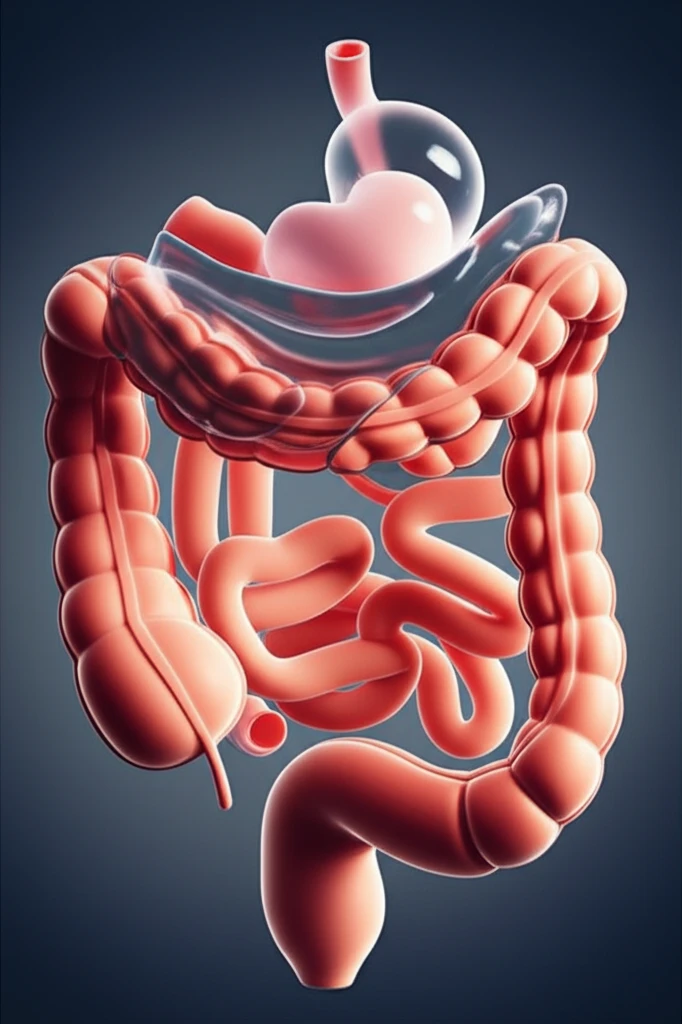
Illustration of intestinal blockage being cleared by a wave of liquid.

Gastrografin vs. Enemas: Which Treatment Offers Faster Relief for Severe Constipation?

"A Randomized Clinical Trial Reveals the Superiority of Gastrografin in Resolving Fecal Impaction and Improving Quality of Life"


Fecal impaction (FI), a condition characterized by a large mass of compacted feces that the body can't expel on its own, is a common and uncomfortable gastrointestinal issue. Often diagnosed through physical exams or radiology, FI can lead to significant discomfort and potential complications, especially for older adults and young children. While enemas are a traditional first-line treatment, they aren't always well-tolerated.

A study from Lebanon indicated that 0.7% of hospital admissions were due to FI, underscoring its prevalence. The goal of treatment extends beyond immediate relief to correcting underlying issues and preventing recurrence. With enemas causing discomfort, researchers have explored alternatives, including high doses of polyethylene glycol. However, this requires consuming large amounts of water and electrolytes, posing challenges for those with incomplete intestinal obstruction.

Gastrografin, a water-soluble contrast agent used in radiology, presents a promising alternative. Known for its diagnostic and therapeutic benefits in small bowel obstruction, gastrografin can be administered orally or rectally. A recent randomized clinical trial investigated whether enteral administration of gastrografin could surpass enemas in effectiveness for treating FI and inducing intestinal obstruction.

Gastrografin: A More Effective Solution for Fecal Impaction?

Illustration of intestinal blockage being cleared by a wave of liquid.

The study, conducted between April 2015 and September 2016 at Jinling Hospital in China, involved 83 participants aged 16 to 65 years experiencing severe chronic constipation and confirmed FI. The researchers randomly assigned participants to either a gastrografin group (receiving 100 mL of undiluted gastrografin via a nasointestinal tube) or an enema group (receiving 133 mL of sodium phosphates rectal solution). Both treatments were administered once daily for six consecutive days, and the study was double-blinded to minimize bias.

Researchers evaluated several outcomes, including successful fecal disimpaction, time to resolution, stool consistency (using the Bristol Stool Scale), constipation severity (using the Wexner constipation scale), symptom assessment, and any adverse events experienced by participants. Let's delve into the results.

  • Superior Disimpaction Rate: Gastrografin led to successful disimpaction in 88.57% of patients compared to 69.44% in the enema group (P = 0.034).
  • Faster Resolution: The average time to disimpaction was significantly shorter in the gastrografin group (30.17 hours) compared to the enema group (66 hours) (P < 0.01).
  • Improved Stool Consistency: Gastrografin was associated with looser and waterier stools.
  • Reduced Constipation Severity: Participants in the gastrografin group experienced a significant reduction in constipation severity and improved quality of life.
While both treatments were generally well-tolerated, a few adverse events were reported. In the gastrografin group, some participants experienced abdominal pain (six subjects), nausea or vomiting (seven subjects), and lightheadedness (three subjects). The enema group reported abdominal pain (nine patients), nausea (two patients), and fatigue (one patient). There was no significant difference in the number of patients experiencing adverse events between the two groups.

The Verdict: Gastrografin as a Promising First-Line Therapy

The results of this study suggest that gastrografin, when administered via a nasointestinal tube, may be a more effective and well-tolerated option for treating fecal impaction compared to traditional enemas. Gastrografin not only led to faster resolution of FI and improved stool consistency, but also reduced constipation severity and enhanced overall quality of life for patients. While further research is always valuable, these findings indicate that gastrografin should be considered as a first-line therapy for managing severe chronic constipation and fecal impaction.

About this Article -

This article was crafted using a human-AI hybrid and collaborative approach. AI assisted our team with initial drafting, research insights, identifying key questions, and image generation. Our human editors guided topic selection, defined the angle, structured the content, ensured factual accuracy and relevance, refined the tone, and conducted thorough editing to deliver helpful, high-quality information.See our About page for more information.

Everything You Need To Know

1

What is fecal impaction, and why is it a concern?

Fecal impaction (FI) is a condition characterized by a large mass of compacted feces that the body cannot expel on its own. This gastrointestinal issue can cause significant discomfort and potentially lead to complications. It is more prevalent among older adults and young children. The goal of treating FI extends beyond immediate relief, aiming to correct underlying issues and prevent recurrence, emphasizing the importance of effective treatments like Gastrografin.

2

How does Gastrografin work to relieve fecal impaction compared to traditional enemas?

Gastrografin, a water-soluble contrast agent, was found to be a more effective solution for FI than enemas. The study administered Gastrografin via a nasointestinal tube, leading to a higher successful disimpaction rate (88.57%) compared to the enema group (69.44%). Additionally, the time to resolution was significantly shorter in the Gastrografin group (30.17 hours) compared to the enema group (66 hours). Gastrografin also improved stool consistency and reduced constipation severity, enhancing overall patient quality of life.

3

What were the key findings of the clinical trial comparing Gastrografin and enemas for treating fecal impaction?

The clinical trial revealed that Gastrografin, administered via a nasointestinal tube, outperformed enemas in several key areas. Gastrografin demonstrated a superior disimpaction rate, faster resolution time, improved stool consistency (leading to looser and waterier stools), and a reduction in constipation severity. Participants in the Gastrografin group experienced a significant improvement in their quality of life compared to those in the enema group, suggesting Gastrografin's effectiveness as a first-line therapy.

4

What are the potential side effects of Gastrografin and enemas in the context of this study?

Both Gastrografin and enemas were generally well-tolerated in the study. In the Gastrografin group, some participants reported abdominal pain, nausea or vomiting, and lightheadedness. The enema group reported abdominal pain, nausea, and fatigue. There was no significant difference in the number of patients experiencing adverse events between the two groups, which suggests that Gastrografin has a similar safety profile as enemas, while providing more effective relief for FI.

5

Why is Gastrografin being considered a promising first-line therapy for severe chronic constipation and fecal impaction?

The results of the clinical trial suggest that Gastrografin, when administered via a nasointestinal tube, is a more effective and well-tolerated option for treating fecal impaction than traditional enemas. Gastrografin not only led to faster resolution of FI and improved stool consistency, but also reduced constipation severity and enhanced the overall quality of life. These findings indicate that Gastrografin should be considered as a first-line therapy for managing severe chronic constipation and fecal impaction, providing a more effective and quicker solution for patients compared to conventional treatments like enemas.

Newsletter Subscribe

Subscribe to get the latest articles and insights directly in your inbox.