
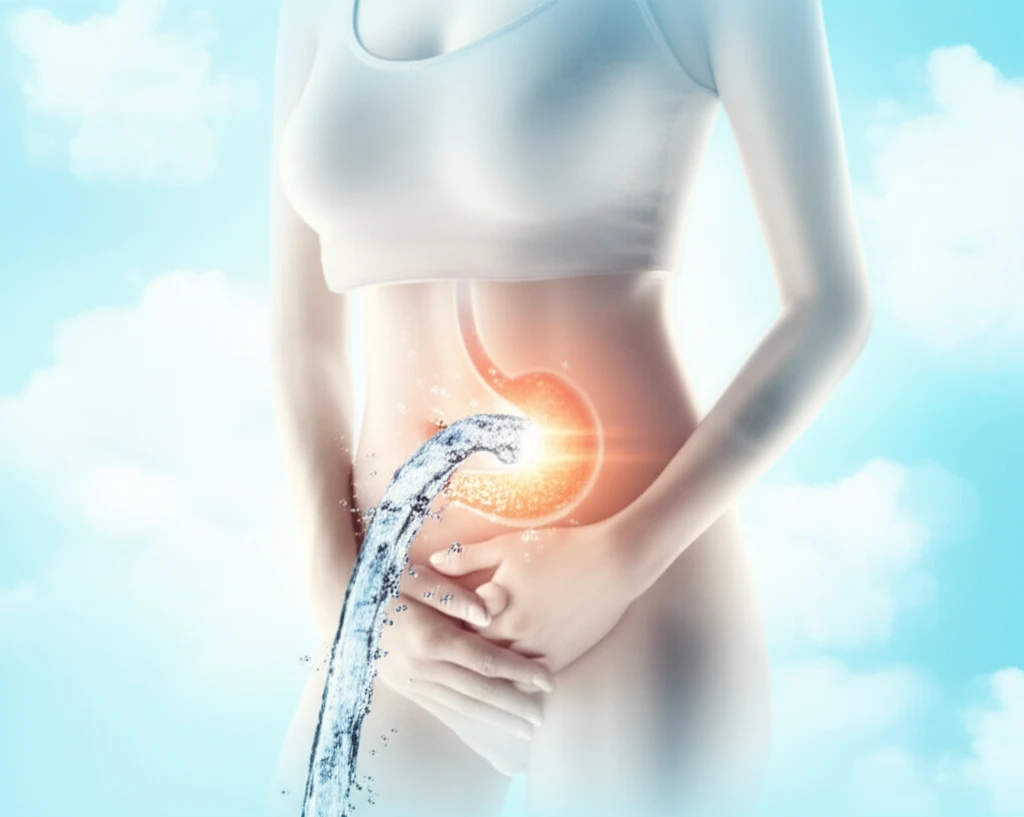
Illustration representing relief from constipation with gastrografin treatment, featuring a smiling person and a clean, fresh environment.

Gastrografin vs. Enemas: A Breakthrough in Treating Severe Constipation?

"New Research Reveals a More Effective and Comfortable Approach to Tackling Fecal Impaction."


Constipation, a condition affecting millions, can range from a minor inconvenience to a severe health issue. Among the most distressing forms is fecal impaction, where hardened stool obstructs the colon, causing significant discomfort and potential complications. Historically, enemas have been the go-to solution, but a recent study sheds light on a promising alternative: gastrografin, a water-soluble contrast agent typically used in medical imaging.

This groundbreaking research, published in the ANZ Journal of Surgery, explores the efficacy of gastrografin in treating fecal impaction compared to traditional enemas. The results are compelling, suggesting a significant shift in how healthcare professionals approach this common yet challenging condition. For those suffering from chronic constipation and fecal impaction, this study offers a beacon of hope for a more effective and comfortable treatment path.

This article delves into the study's findings, providing insights into the benefits of gastrografin, the comparison with enemas, and the implications for patients and medical practitioners alike. We'll explore the science behind this innovative approach, the potential advantages, and what it means for the future of constipation management.

Understanding Fecal Impaction and the Need for Better Treatments

Illustration representing relief from constipation with gastrografin treatment, featuring a smiling person and a clean, fresh environment.

Fecal impaction occurs when a large mass of hardened stool accumulates in the colon or rectum, leading to a blockage that the body cannot expel naturally. This condition can cause significant pain, abdominal distention, and even more serious complications if left untreated. While enemas have long been the standard treatment, they can be uncomfortable, and their effectiveness varies.

The study's primary goal was to evaluate if gastrografin, administered through a nasointestinal tube, could be a more effective and well-tolerated treatment option. This method involves delivering the contrast agent directly into the digestive system, bypassing some of the discomfort associated with enemas.

  • Fecal Impaction: A severe form of constipation where hardened stool blocks the colon.
  • Traditional Treatment: Enemas, which can be uncomfortable and not always effective.
  • The Need for Better Options: A search for treatments that are both effective and patient-friendly.
The research team compared two groups of patients: one receiving gastrografin and the other receiving enemas. The study meticulously tracked the success rate of each treatment, the time it took to resolve the impaction, and the patients' experiences, including any side effects. The results provided valuable insights into the potential of gastrografin as a superior treatment.

The Future of Fecal Impaction Treatment

The findings of this study offer a significant advancement in the treatment of fecal impaction and chronic constipation. By demonstrating the superior effectiveness and improved patient experience with gastrografin, this research opens the door for a new standard of care. As the medical community embraces these findings, patients can look forward to more effective, comfortable, and ultimately, life-improving treatments for this often-debilitating condition.

About this Article -

This article was crafted using a human-AI hybrid and collaborative approach. AI assisted our team with initial drafting, research insights, identifying key questions, and image generation. Our human editors guided topic selection, defined the angle, structured the content, ensured factual accuracy and relevance, refined the tone, and conducted thorough editing to deliver helpful, high-quality information.See our About page for more information.

Everything You Need To Know

1

What is fecal impaction, and why is it a significant health concern?

Fecal impaction is a severe form of constipation where a large, hardened mass of stool becomes stuck in the colon or rectum. This blockage prevents normal bowel movements and can lead to significant pain, abdominal distention, and potential complications like bowel perforation or ulceration if left untreated. Traditional treatments like enemas can be uncomfortable and aren't always effective, highlighting the need for better solutions, such as Gastrografin.

2

How does Gastrografin work to relieve fecal impaction, and what makes it different from traditional enemas?

Gastrografin is a water-soluble contrast agent typically used in medical imaging. In the context of fecal impaction, it's administered to help soften and break down the hardened stool mass. Unlike enemas, which primarily work by introducing fluid into the rectum to stimulate bowel movement, Gastrografin draws fluid into the bowel, thus softening the impacted stool directly. This approach, delivered via a nasointestinal tube, can bypass some of the discomfort associated with enemas and potentially offer a more effective solution.

3

What were the key findings of the ANZ Journal of Surgery study regarding the use of Gastrografin versus enemas for treating fecal impaction?

The ANZ Journal of Surgery study indicated that Gastrografin could be a more effective and better-tolerated treatment option for fecal impaction compared to traditional enemas. The research meticulously tracked the success rate of each treatment, the time it took to resolve the impaction, and the patients' experiences, including any side effects. Demonstrating superior effectiveness and improved patient experience with Gastrografin, the research suggests a potential shift toward Gastrografin as a new standard of care.

4

What are the potential benefits of using Gastrografin for patients suffering from chronic constipation and fecal impaction?

For patients with chronic constipation and fecal impaction, Gastrografin offers the potential for more effective and comfortable relief. Gastrografin, administered through a nasointestinal tube, can lead to a more direct and efficient softening of the impacted stool compared to enemas. While the study highlights improved patient experience, further research may explore long-term benefits, optimal dosages, and specific patient populations who might benefit most from Gastrografin treatment.

5

What implications does the research on Gastrografin have for the future of fecal impaction treatment and the role of medical practitioners?

The research suggests that Gastrografin could become a new standard of care for fecal impaction, offering a more effective and comfortable treatment option. For medical practitioners, this means considering Gastrografin as a first-line treatment, particularly in cases where enemas have been ineffective or poorly tolerated. Further research and clinical trials are needed to fully understand the long-term benefits, optimal administration protocols, and potential side effects of Gastrografin, which will further refine its role in managing severe constipation.

Newsletter Subscribe

Subscribe to get the latest articles and insights directly in your inbox.