
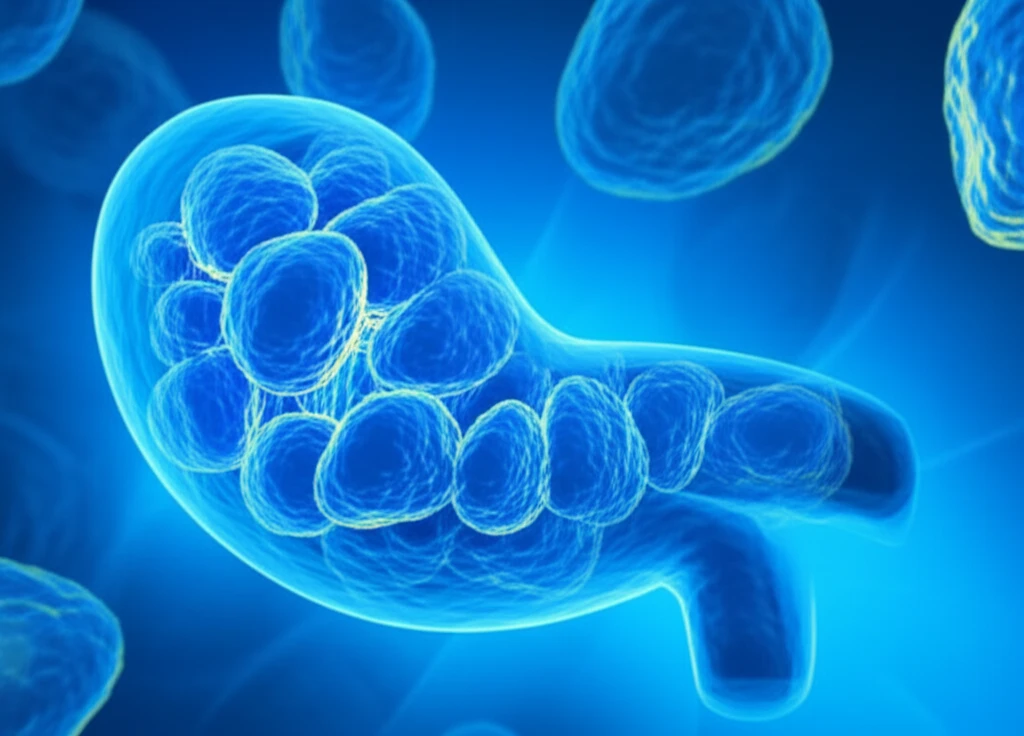
Surreal image of a gallbladder with glowing contrast material and gallstones.

Gallbladder Surprises: When Medical Scans Go Wrong

"A routine scan revealed a rare case of prolonged contrast material retention, leading to unexpected biliary colic and raising questions about diagnostic accuracy."


Imagine undergoing a routine medical scan only to have it lead to a completely unexpected health issue. This is precisely what happened in a recent case involving a 38-year-old man who initially presented for surgery with a history of postprandial, epigastric pain linked to fatty foods. The twist? His symptoms were eventually traced back to an earlier CT scan where a contrast agent lingered far longer than it should have.

Before his symptoms began, the man had a CT scan of his abdomen and pelvis using oral diatrizoate meglumine and IV iohexol contrast. Initially, the scan pointed toward a small-bowel obstruction without any signs of gallstones. However, as time passed, he developed symptoms consistent with biliary colic—a type of abdominal pain caused by gallstones or a blockage in the bile ducts.

What followed was a diagnostic journey that highlights the complexities of medical imaging and the importance of considering rare complications. This article delves into how retained contrast material mimicked gallstones, leading to diagnostic confusion and ultimately requiring surgical intervention to resolve the man's biliary colic.

The Case of the Lingering Contrast: How a Scan Led to Surgery

Surreal image of a gallbladder with glowing contrast material and gallstones.

Eighteen months after the initial CT scan, the man underwent another scan using the same contrast material. This time, the images revealed a layering of radio-opaque material within his gallbladder, extending into the cystic duct. To further investigate, a non-contrasted prone CT scan was performed, which showed that the radio-opaque material was dependent, meaning it shifted with gravity. The imaging findings were perplexing, as they resembled an atypical appearance of gallstones.

Given the persistent and troubling symptoms, the man underwent a laparoscopic cholecystectomy—a minimally invasive surgical procedure to remove the gallbladder. What surgeons found during the procedure was quite revealing. The gallbladder contained a large volume of hydropic fluid (excessive fluid accumulation), several pigmented gallstones, and a thick, white, clay-like material.

  • Hydropic Fluid: An unusual amount of fluid inside the gallbladder.
  • Pigmented Gallstones: Gallstones with a dark color, indicating the presence of bile pigments.
  • Clay-like Material: A thick, white substance that resembled clay, which turned out to be the retained contrast material.
Further analysis of the removed specimen confirmed that the gallstones were interspersed within a homogeneously dense material, correlating to the clay-like substance seen on the imaging. Postoperatively, the man recovered well, was discharged on the same day, and experienced a resolution of his postprandial epigastric pain. This case highlights a rare complication where the contrast material, instead of being excreted, was retained in the gallbladder, leading to biliary colic and the need for cholecystectomy.

Lessons Learned: What This Rare Case Means for You

This unusual case serves as a reminder of the complexities and potential pitfalls of medical imaging. While CT scans and contrast agents are invaluable tools for diagnosis, they are not without risks. The prolonged retention of contrast material, as seen in this case, is a rare but important consideration for clinicians.

For patients, this case underscores the importance of communicating any unusual symptoms or medical history to healthcare providers. If you experience persistent abdominal pain or discomfort after undergoing a CT scan with contrast, it's crucial to inform your doctor, as it could potentially be related to retained contrast material.

Ultimately, this case highlights the need for thorough investigation and consideration of atypical presentations in medical diagnosis. It also reinforces the importance of vigilant post-operative care to ensure complete resolution of symptoms and prevent potential complications.

About this Article -

This article was crafted using a human-AI hybrid and collaborative approach. AI assisted our team with initial drafting, research insights, identifying key questions, and image generation. Our human editors guided topic selection, defined the angle, structured the content, ensured factual accuracy and relevance, refined the tone, and conducted thorough editing to deliver helpful, high-quality information.See our About page for more information.

Everything You Need To Know

1

What kind of medical imaging was initially used, and what were the contrast agents involved?

The medical imaging involved a CT scan of the abdomen and pelvis, utilizing oral diatrizoate meglumine and IV iohexol contrast. These contrast agents are used to enhance the visibility of internal structures, such as the gallbladder and bile ducts. The unexpected complication arose when the contrast material lingered in the gallbladder, leading to symptoms and diagnostic challenges.

2

What is biliary colic, and how did it relate to the patient's condition?

The term 'biliary colic' refers to a type of abdominal pain that is usually caused by gallstones or a blockage within the bile ducts. In this specific case, the patient experienced this pain due to the retained contrast material mimicking gallstones, which obstructed the normal flow of bile. This blockage is what triggered the intense pain characteristic of biliary colic.

3

What is a laparoscopic cholecystectomy, and why was it performed in this instance?

A laparoscopic cholecystectomy is a minimally invasive surgical procedure that involves removing the gallbladder. This procedure became necessary in this case to address the patient's biliary colic and to remove the gallbladder that contained the retained contrast material and gallstones. The surgery provided a resolution to the patient's symptoms by eliminating the source of the problem.

4

What specific findings were discovered during the surgery?

The unusual findings during surgery included hydropic fluid, pigmented gallstones, and a clay-like material within the gallbladder. Hydropic fluid is an excessive accumulation of fluid, while pigmented gallstones are dark-colored stones, both of which were observed. The clay-like material was later identified as the retained contrast material, highlighting the rare nature of the complication.

5

Why is this case considered unusual and what does it mean for healthcare?

This case is significant because it highlights a rare complication of medical imaging. The prolonged retention of contrast material is uncommon, but it can lead to diagnostic confusion and adverse health consequences, as seen with the patient's biliary colic. The case underscores the importance of considering rare complications and conducting thorough investigations when interpreting medical imaging results. Specifically, this incident shows the importance of following up with patients and ensuring that diagnostic agents are properly processed by the body and do not result in misleading findings.

Newsletter Subscribe

Subscribe to get the latest articles and insights directly in your inbox.