
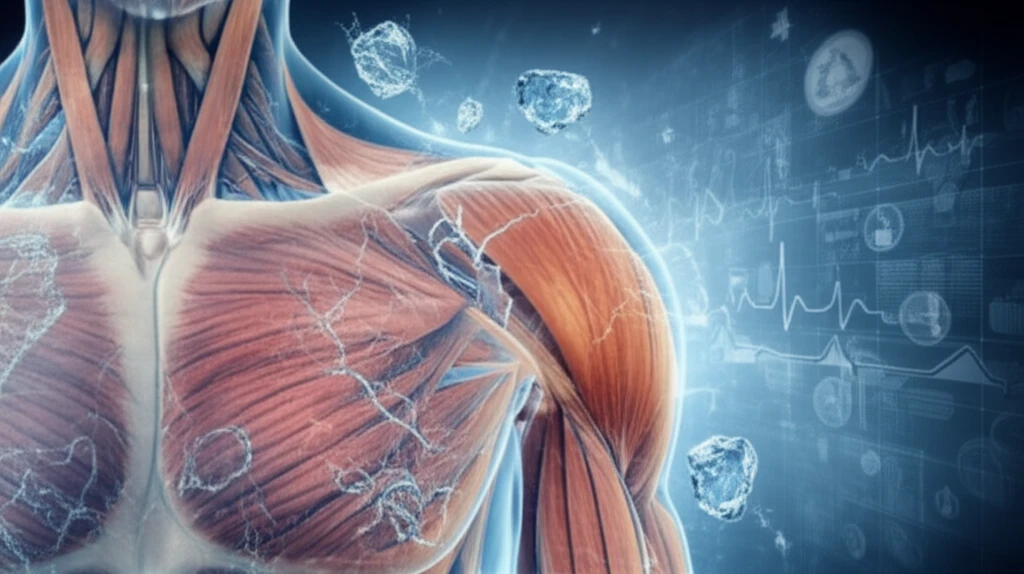
Frozen Shoulder Breakthroughs: Muscle Guarding, Rehab Techniques, and Diagnostic Tests

"New insights into frozen shoulder causes, effective rehabilitation strategies, and accurate diagnostic tools for cervical radiculopathy."
Frozen shoulder, affecting approximately 10% of the general population and a higher percentage of diabetics (29%), is characterized by sudden pain and restricted movement, significantly impacting function. While the exact cause isn't fully understood, histological studies point to changes in the shoulder's joint capsule.
Recent research is challenging traditional views on the condition, particularly the focus on the joint capsule as the primary target for treatment. Some experts suggest that muscle activity may play a more significant role than previously thought.
This article delves into three key areas: the role of muscle guarding in frozen shoulder, the effectiveness of combined rehabilitation techniques for patients in intensive care, and the diagnostic value of clinical tests for cervical radiculopathy, a condition that can sometimes mimic shoulder pain.
Unlocking the Mystery: Does Muscle Guarding Cause Frozen Shoulder?
A study published in Musculoskeletal Science and Practice (Hollmann et al., 2018) investigated the impact of muscle guarding on range of motion in frozen shoulder patients. The researchers examined patients undergoing capsular release surgery, evaluating their passive shoulder mobility under general anesthesia.
- Key Finding: Capsular changes aren't the sole limitation in frozen shoulder. Muscle guarding significantly restricts movement.
- Implication: Treatment strategies should consider muscle relaxation techniques in addition to capsular release.
- Further Research: Specific motor and sensory blocks are needed to isolate muscle's role. Psychological factors should also be considered.
Key Takeaways and Future Directions
This compilation of research highlights several important considerations for managing shoulder pain and related conditions. Addressing muscle guarding in frozen shoulder, understanding the limitations of combined rehabilitation approaches in intensive care, and carefully selecting diagnostic tests for cervical radiculopathy are all crucial for effective patient care.
Further research is needed to refine diagnostic and treatment strategies. Specifically, larger studies with more precise methods are necessary to fully elucidate the role of muscle guarding in frozen shoulder and to identify the most effective rehabilitation protocols for various patient populations.
By staying informed about the latest research, healthcare professionals can provide more targeted and effective interventions, improving outcomes for individuals suffering from shoulder pain and related musculoskeletal conditions.