
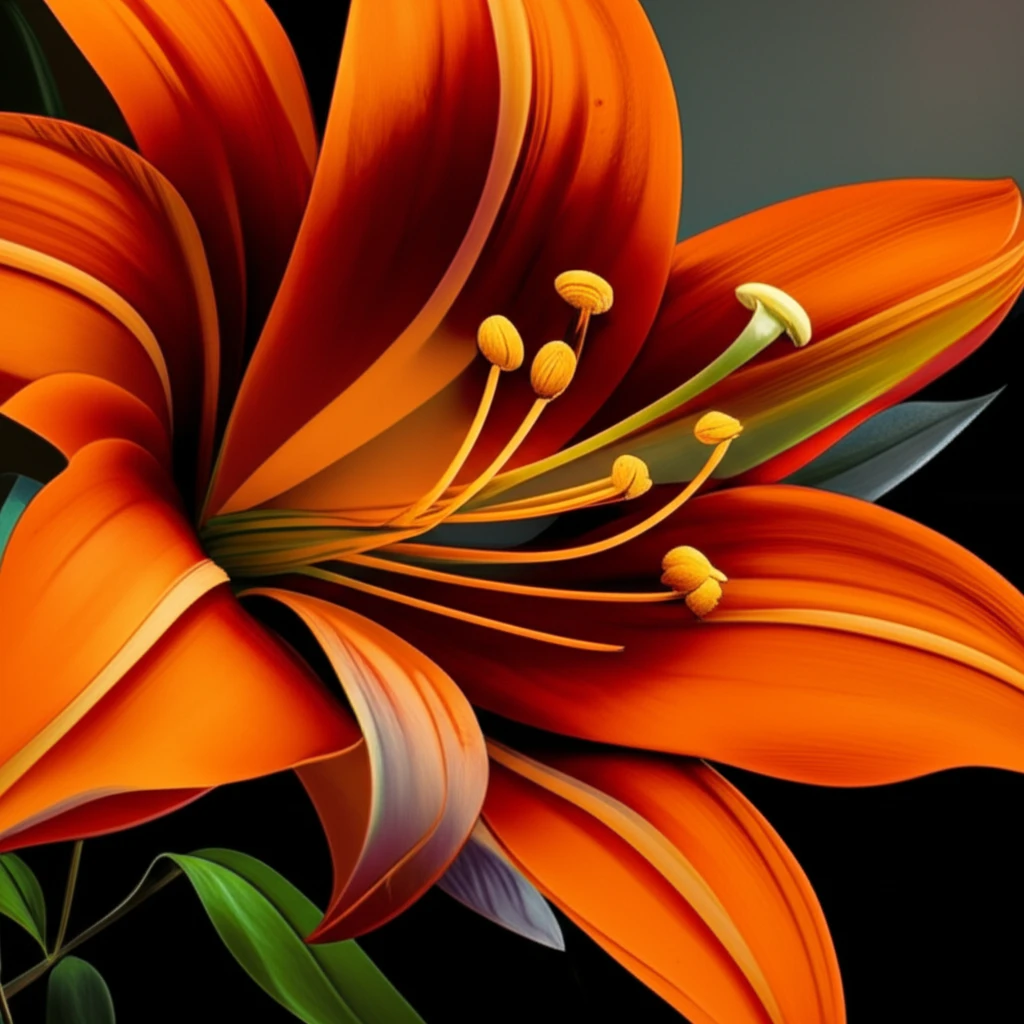
From Science to Art: How Botanical Illustration and Taxonomy Inspired Georgia O'Keeffe

"Explore the fascinating intersection of botany, art, and the legacy of Georgia O'Keeffe."
Botany beautifully blends the precision of science with the emotive power of art. Botanical illustration, a long-standing partner to the science of botany, has provided endless inspiration for artists. Flowers, rich with symbolism and cultural significance, consistently capture our imagination, serving as artistic muses and embellishing traditions worldwide.
For centuries, understanding plants was crucial for medical practice, with botany forming the very foundation of pharmacology. Theophrastus, a pupil of Aristotle, is celebrated as the 'father of botany,' and in ancient Rome, Dioscorides' 'De Materia Medica' intricately combined botanical knowledge with pharmacological applications. This legacy continues through illustrated botanical books like the Codex Vindobonensis and the comprehensive 'Naturalis Historia' by Pliny the Elder, underscoring the deep roots of botany in medicine and art.
The 18th and 19th centuries witnessed a significant leap in botanical science, largely fueled by exploratory sea voyages to distant lands. Central to this era was Carl Linnaeus, also known as Carolus Linnaeus, who revolutionized how we classify plants. His binomial system, which categorized plants by genus and species, marked a pivotal moment. Groundbreaking works like 'Systema Naturae' and 'Species Plantarum' not only organized the natural world but also captured the imagination of artists and scientists alike.
The Art of Botanical Illustration: Marrying Science and Aesthetics
Before photography, botanical illustration was essential for documenting and understanding plant life. These illustrations flourished from the mid-18th to the early 19th centuries, favoring techniques like pencil or ink drawings and watercolor or gouache paintings. Today, leading botanical gardens showcase these artistic collections, nurturing ongoing collaborations between artists and illustrators.
- Botanical Gardens: Leading botanical gardens actively collect and display botanical art.
- Artistic Techniques: Botanical illustration often employs specific methods such as pencil drawings, ink work, watercolors, or gouache.
- Key Institutions: The Shirley Sherwood Gallery of Botanical Art and the Hunt Institute are hubs for botanical art.
O'Keeffe's Modernist Vision: Flowers as a Gateway
Georgia O'Keeffe, an American painter of the early 20th century, revolutionized flower paintings with her unique perspective. Her training at the Art Institute of Chicago and the Art Students League in New York City, shaped her approach, and her exposure to Arthur Wesley Dow's ideas significantly influenced her painting compositions.
O'Keeffe's move to New Mexico in 1929 profoundly impacted her work, inspiring her to use organic forms and vivid colors to express the essence of the landscape. While she is celebrated for her flower paintings, she also explored other forms, including New York skyscrapers, showcasing her artistic range.
O'Keeffe’s art, characterized by its bold colors and large scale, stands as a bridge between representation and abstraction. Although her flower paintings were often interpreted as erotic, she consistently refuted such readings. Ultimately, the art of O'Keeffe, botanical illustrations, and the science of botany converge to highlight the fascinating harmony between science and culture, underscoring their shared pursuit of understanding and expressing the beauty of the natural world.