
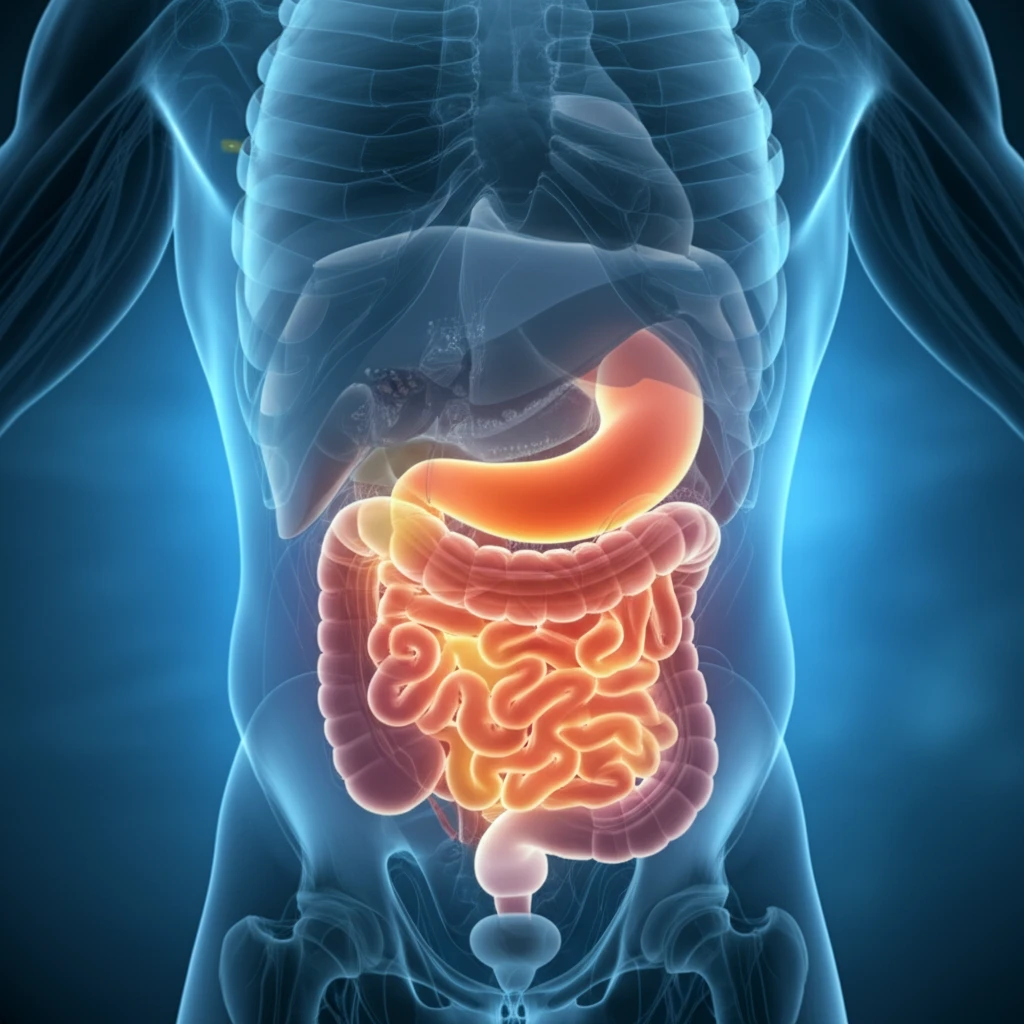
Surreal digital illustration of the human body highlighting the rare nature of intra-peritoneal cystic teratoma deposits with abdominal imaging techniques.

From Ovarian Mystery to Unexpected Discovery: Unraveling the Enigma of Intra-peritoneal Cystic Teratoma Deposits

"A Rare Complication Following Ovarian Cyst Removal: What You Need to Know About Cystic Teratomas and Their Unusual Behavior"


Have you ever heard of a medical mystery that unfolds in the hidden depths of the abdomen? This article delves into a fascinating case of intra-peritoneal cystic teratoma deposits, an unusual complication that arose after a surgical procedure to remove an ovarian mature benign cystic teratoma. This case highlights the unpredictable nature of the human body and the importance of understanding rare medical phenomena.

Cystic teratomas, also known as dermoid cysts, are a type of benign tumor that can develop in various parts of the body, but their appearance in the abdominal cavity as deposits following surgery is a less common occurrence. This article aims to simplify the technical aspects of this case and present it in an accessible way. We'll break down the medical jargon, discuss the patient's journey, and explain the implications of this rare finding.

This exploration into the unexpected world of medical science serves as an educational opportunity. By dissecting the details of this specific case, we aim to enlighten and empower our readers with knowledge. Let's explore this intriguing medical puzzle and discover how it helps us understand the complexities of the human body.

Unveiling the Unseen: What Are Cystic Teratomas and How Do They Behave?

Surreal digital illustration of the human body highlighting the rare nature of intra-peritoneal cystic teratoma deposits with abdominal imaging techniques.

Cystic teratomas, also known as dermoid cysts, are unique growths that can develop in the body, often containing various tissues like hair, teeth, and skin. These intriguing masses typically originate from germ cells, which have the potential to develop into different types of tissues. While they are usually benign (non-cancerous), understanding their behavior is critical in the medical field.

In the case discussed, the patient had an ovarian mature benign cystic teratoma that was surgically removed. Following this procedure, a rare complication emerged – the development of intra-peritoneal deposits. These deposits were identified as cystic teratomas that had spread into the abdominal cavity. This type of spread, or seeding, is not commonly documented, making this case particularly noteworthy.

  • Cystic teratomas are typically benign tumors.
  • They can contain diverse tissues.
  • Intra-peritoneal deposits are rare following surgical procedures.
  • Medical imaging plays a crucial role in diagnosis.
The diagnostic journey involved a combination of imaging techniques, including ultrasound, CT scans, and MRIs. These methods revealed the presence of multiple lesions within the abdominal cavity. The findings from these scans, coupled with the patient's medical history, led doctors to the conclusion that the lesions were likely deposits from the previous ovarian teratoma. The surgical removal of the lesions and the subsequent analysis of the tissue confirmed this diagnosis, highlighting the value of a multidisciplinary approach in medicine.

Lessons from the Unexpected: Navigating the Rarities of Medical Science

This case underscores the unpredictable nature of medical conditions and the importance of continuous learning and vigilance within the healthcare field. It emphasizes the value of thorough evaluations, the need for recognizing unusual presentations, and the power of a multidisciplinary approach to patient care. By understanding such unique cases, we enhance our collective knowledge, improving the standard of care and fostering better patient outcomes. Remember, even in the face of complex medical mysteries, there is always more to discover and understand.

About this Article -

This article was crafted using a human-AI hybrid and collaborative approach. AI assisted our team with initial drafting, research insights, identifying key questions, and image generation. Our human editors guided topic selection, defined the angle, structured the content, ensured factual accuracy and relevance, refined the tone, and conducted thorough editing to deliver helpful, high-quality information.See our About page for more information.

This article is based on research published under:

DOI-LINK: 10.1259/bjrcr.20180008, Alternate LINK

Title: Intra-Peritoneal Mature Benign Cystic Teratoma Deposits: An Unusual Complication From Previous Surgical Resection Of An Ovarian Mature Benign Cystic Teratoma

Subject: Pharmacology (medical)

Journal: BJR|case reports

Publisher: British Institute of Radiology

Authors: Radhika Prasad, Cyril Sieberhagen, Stephen Fenwick, Ashok Katti, Rob Davis

Published: 2018-12-01

Everything You Need To Know

1

What exactly are cystic teratomas, and why are they sometimes called dermoid cysts?

Cystic teratomas, also known as dermoid cysts, are a unique type of benign tumor that originate from germ cells, which have the potential to develop into different types of tissues. This means they can contain various tissues like hair, teeth, and skin. The term 'dermoid cyst' is used because these tumors often contain tissues derived from the ectoderm, the embryonic layer that forms skin, hair, and teeth.

2

In the context of ovarian cyst removal, how common is it to see intra-peritoneal cystic teratoma deposits as a complication?

The development of intra-peritoneal cystic teratoma deposits following the surgical removal of an ovarian mature benign cystic teratoma is considered a rare complication. The case discussed highlights the unusual nature of this occurrence. It's not something that is commonly documented, which makes the case particularly noteworthy within the medical field. Thorough evaluations and recognizing unusual presentations are crucial because of this rarity.

3

What role did medical imaging play in diagnosing the intra-peritoneal cystic teratoma deposits in this specific case?

Medical imaging was crucial in diagnosing the intra-peritoneal cystic teratoma deposits. Techniques such as ultrasound, CT scans, and MRIs were used to reveal the presence of multiple lesions within the abdominal cavity. These imaging findings, combined with the patient's medical history of having an ovarian mature benign cystic teratoma removed, led doctors to suspect that these lesions were likely deposits from the previous teratoma. This highlights the importance of medical imaging in identifying and characterizing such unusual medical presentations.

4

What are the broader implications of cases like this, where intra-peritoneal cystic teratoma deposits occur after surgery, for the medical community?

Cases involving intra-peritoneal cystic teratoma deposits emphasize the unpredictable nature of medical conditions and underscore the need for continuous learning and vigilance within the healthcare field. Such cases highlight the value of thorough evaluations, the importance of recognizing unusual presentations, and the power of a multidisciplinary approach to patient care. By understanding such unique occurrences, we enhance our collective knowledge, improving the standard of care and fostering better patient outcomes. This ultimately contributes to a more comprehensive understanding of rare medical phenomena.

5

If cystic teratomas are usually benign, why is the occurrence of intra-peritoneal deposits still a cause for concern and require surgical removal?

While cystic teratomas are typically benign, the occurrence of intra-peritoneal deposits is concerning because, even though rare, the seeding of mature cystic teratoma can continue to grow and cause symptoms due to their size or location. Surgical removal and subsequent tissue analysis, helps to confirm the diagnosis and rule out other potential complications or, though rare, malignant transformation. Also it alleviates any potential compression or obstruction they might cause within the abdominal cavity. Therefore, the deposits require careful evaluation and management, even if they originate from a benign tumor.

Newsletter Subscribe

Subscribe to get the latest articles and insights directly in your inbox.