
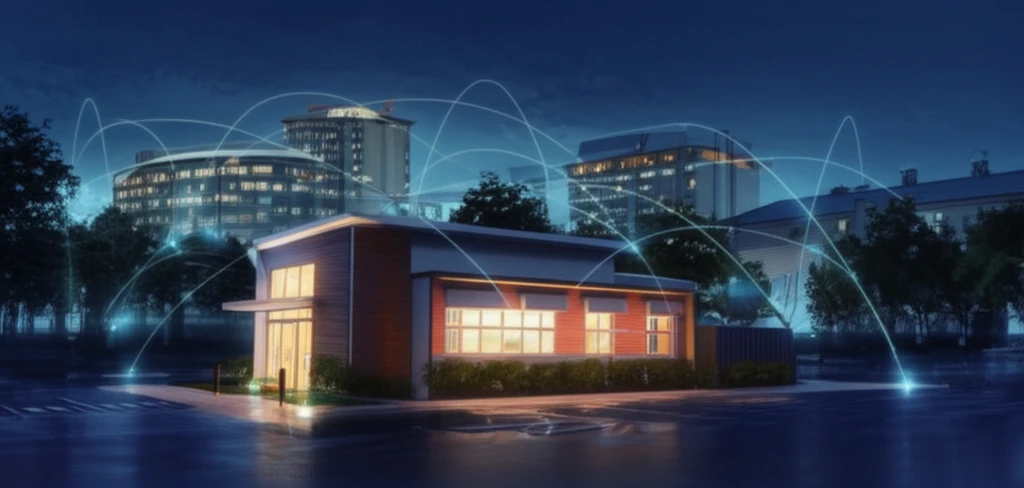
Illustration of a freestanding emergency department connected to a hospital, symbolizing accessible community healthcare.

Freestanding Emergency Departments: A Solution for Overcrowded Australian Hospitals?

"Explore how freestanding emergency departments (FSEDs) could alleviate pressure on traditional hospitals, improving access to urgent care and potentially revolutionizing community healthcare in Australia."


Australian emergency departments (EDs) are facing increasing pressure. With growing populations and rising demand for urgent care, hospitals are struggling to keep up. One potential solution gaining traction is the concept of freestanding emergency departments (FSEDs).

FSEDs are emergency departments that are not located within a hospital. They offer a range of services similar to traditional EDs, treating patients with urgent medical needs. The model is popular in the USA, where it's seen as a way to improve access to care and reduce overcrowding in hospitals.

But could FSEDs work in Australia? This article explores the potential benefits and challenges of implementing FSEDs in the Australian healthcare system, considering factors like cost, efficiency, and patient outcomes. It also examines how FSEDs might integrate with existing services and impact the broader healthcare landscape.

The FSED Model: A Potential Game-Changer?

Illustration of a freestanding emergency department connected to a hospital, symbolizing accessible community healthcare.

The core idea behind FSEDs is to decentralize emergency care, bringing it closer to the community. This can be particularly beneficial in rapidly growing urban areas where access to hospital EDs is limited. By establishing smaller, community-based EDs, FSEDs can:

  • Reduce pressure on existing hospital EDs, allowing them to focus on more complex and critical cases.
  • Improve access to emergency care for patients in underserved areas.
  • Potentially reduce ambulance offload times, getting paramedics back into the community faster.

However, implementing FSEDs in Australia also presents challenges. Key considerations include:

Are FSEDs the Answer?

Freestanding emergency departments offer a potentially valuable tool in addressing the growing challenges facing Australia's healthcare system. By decentralizing emergency care and improving access for underserved communities, FSEDs could alleviate pressure on traditional hospitals and improve patient outcomes.

However, careful planning and consideration of the unique aspects of the Australian healthcare landscape are crucial. Factors like funding models, integration with existing services, and ensuring equitable access for all patients must be addressed.

Ultimately, further research and in-depth review are needed to determine the long-term impact of FSEDs in Australia. But as demand for emergency care continues to rise, exploring innovative solutions like FSEDs is essential to building a more sustainable and patient-centered healthcare system.

About this Article -

This article was crafted using a human-AI hybrid and collaborative approach. AI assisted our team with initial drafting, research insights, identifying key questions, and image generation. Our human editors guided topic selection, defined the angle, structured the content, ensured factual accuracy and relevance, refined the tone, and conducted thorough editing to deliver helpful, high-quality information.See our About page for more information.

This article is based on research published under:

DOI-LINK: 10.1111/1742-6723.13175, Alternate LINK

Title: Should Freestanding Emergency Departments Be Considered In Australia?

Subject: Emergency Medicine

Journal: Emergency Medicine Australasia

Publisher: Wiley

Authors: Waruna De Alwis

Published: 2018-09-14

Everything You Need To Know

1

What exactly are Freestanding Emergency Departments (FSEDs) and how do they differ from traditional hospital emergency rooms?

Freestanding Emergency Departments (FSEDs) are designed to decentralize emergency medical care by establishing facilities separate from traditional hospitals. These FSEDs aim to bring urgent care services closer to the community, especially in areas where access to hospital-based Emergency Departments is limited. This decentralization helps to distribute the load of emergency cases, providing more accessible and immediate medical attention.

2

How are Freestanding Emergency Departments (FSEDs) expected to reduce the burden on overcrowded Emergency Departments in hospitals?

The implementation of Freestanding Emergency Departments (FSEDs) is primarily intended to alleviate the increasing strain on existing hospital Emergency Departments. By handling a portion of the emergency cases, FSEDs allow hospital EDs to focus on more critical and complex medical situations. This redirection of resources can lead to improved efficiency and better patient outcomes in hospital settings.

3

In what ways do Freestanding Emergency Departments (FSEDs) make emergency care more accessible to individuals who might not have convenient access to hospitals?

One of the main advantages of Freestanding Emergency Departments (FSEDs) is their potential to improve access to emergency medical services in underserved areas. By setting up these facilities in communities with limited access to traditional hospital Emergency Departments, FSEDs ensure that more people can receive timely medical attention for urgent conditions. This enhanced accessibility can be particularly beneficial for individuals in rapidly growing urban areas or remote locations.

4

How could the implementation of Freestanding Emergency Departments (FSEDs) affect the efficiency and availability of ambulance services in a community?

The implementation of Freestanding Emergency Departments (FSEDs) can significantly impact ambulance services by potentially reducing ambulance offload times. When ambulances can quickly transfer patients to FSEDs, paramedics can return to the community faster and be available for other emergency calls. This efficiency improvement can enhance the overall responsiveness of emergency medical services and improve outcomes for patients requiring immediate care.

5

What are some of the key challenges and factors that need to be carefully considered when implementing Freestanding Emergency Departments (FSEDs) to ensure they are successful and sustainable?

While the concept of Freestanding Emergency Departments (FSEDs) offers numerous benefits, it's essential to consider challenges such as cost, efficiency, and integration with existing healthcare services. Considerations include financial investment for establishing and maintaining FSEDs, ensuring they operate efficiently to provide timely care, and effectively integrating them into the existing healthcare network to avoid duplication of services and ensure seamless patient transitions. Careful planning and coordination are crucial to successfully implementing FSEDs and optimizing their impact on the overall healthcare system.

Newsletter Subscribe

Subscribe to get the latest articles and insights directly in your inbox.