
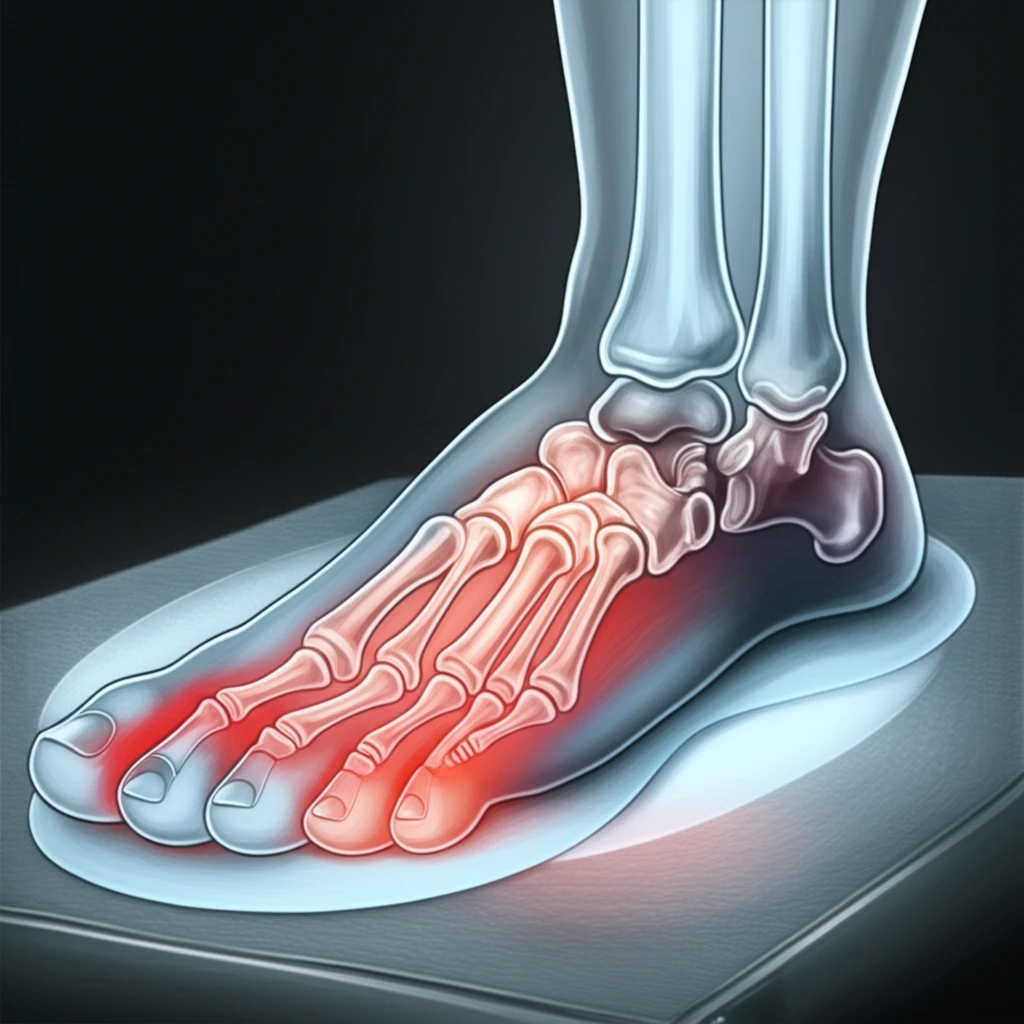
Foot Pain and Rheumatoid Arthritis: Unraveling the Mystery of Gait and Pressure

"Exploring the Connection Between Foot Pressure, Gait Alterations, and Rheumatoid Arthritis: What the Research Reveals"
Rheumatoid arthritis (RA), a chronic autoimmune disease, often manifests its initial symptoms in the feet. For many individuals, foot pain becomes a persistent companion, significantly impacting their mobility and overall quality of life. Understanding the complexities of foot-related issues in RA is crucial for effective management and improved patient outcomes.
This article delves into the findings of recent research exploring the connection between plantar pressure (the pressure exerted on the soles of the feet), gait alterations (changes in walking patterns), and RA. We aim to unravel the mysteries of these interlinked factors, providing insights into the impact of foot health on the lives of those affected by RA. The research also sought to establish whether a correlation exists between plantar peak pressure and functional evaluation of the RA foot, based on the International Classification of Functioning, Disability and Health (ICF model).
By examining the latest scientific studies, we'll explore how foot pressure measurements, gait analysis, and functional assessments contribute to a holistic understanding of RA's impact. This article offers valuable information for individuals with RA, healthcare professionals, and anyone seeking to understand the critical role of foot health in managing this challenging condition.
Unpacking the Science: What the Research Says About Foot Pressure and RA
Studies have long investigated the effects of RA on the feet, revealing that foot pain is a common symptom, with many individuals experiencing discomfort for extended periods. The challenges do not end here. Foot pain can lead to gait alterations, making walking difficult, and further impacting the quality of life. The research used tools like force plates to assess foot pressure.
- Foot Pressure Measurement: The study used force plates to measure peak pressure under the feet and the distribution of pressure across different areas.
- Clinical Data Collection: Researchers gathered information on patient pain levels, functional abilities, and overall health through questionnaires and examinations.
- Correlation Analysis: Statistical methods were used to determine whether there was a relationship between foot pressure measurements and clinical data.
Conclusion: A Path Forward for Foot Health in Rheumatoid Arthritis
While the study did not find a direct correlation between static peak pressure and gait alteration, the investigation underscores the complexity of managing foot health in RA. This knowledge can assist in enhancing care and assisting individuals to walk more easily and live more fulfilling lives. By understanding the interplay of these factors, healthcare professionals and patients can work together to develop comprehensive strategies that address pain, improve mobility, and enhance overall well-being.