
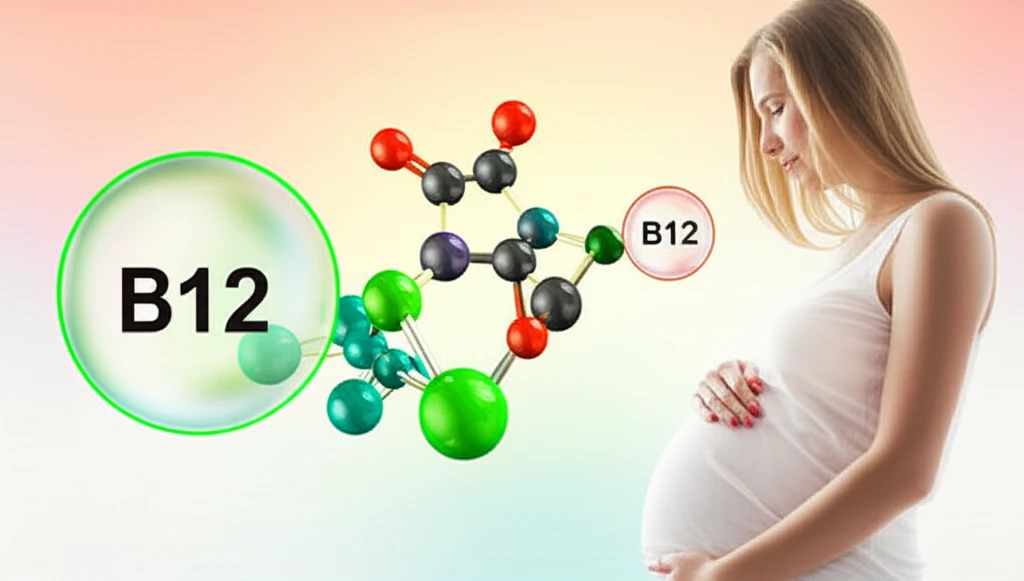
Pregnant woman with folate, vitamin B12, and homocysteine illustrations.

Folate, Homocysteine, and Vitamin B12: Decoding the Secrets of a Healthy Pregnancy

"Unraveling the intricate link between maternal nutrition and pre-eclampsia risk, and how you can safeguard your pregnancy."


Pregnancy is a time of immense joy and anticipation, but it also comes with its share of health concerns. One such concern is pre-eclampsia, a condition characterized by high blood pressure and potential organ damage, which can pose risks to both the mother and the developing baby. But what if something as simple as the levels of certain nutrients in your body could play a role in mitigating this risk? Let's delve into the fascinating world of folate, homocysteine, and vitamin B12 and their connection to a healthy pregnancy.

Recent research has shed light on the potential impact of maternal nutrition on pre-eclampsia. Specifically, the levels of folate, homocysteine, and vitamin B12 in a woman's body during pregnancy may influence her risk of developing this condition. A case-control study in Colombia has provided valuable insights into these relationships, offering a glimpse into how these key biomarkers could affect pregnancy outcomes.

In this article, we'll explore the findings of this Colombian study, examining the associations between pre-eclampsia risk and maternal levels of folate, homocysteine, and vitamin B12. We'll break down the science behind these nutrients, their roles in the body, and what the research suggests about their impact on pregnancy. Ultimately, our goal is to empower you with knowledge and actionable steps to promote a healthier and safer pregnancy journey.

The Colombian Study: Unveiling the Biomarker-Preeclampsia Connection

Pregnant woman with folate, vitamin B12, and homocysteine illustrations.

The study, conducted in Colombia, involved a case-control design, which allowed researchers to compare women with pre-eclampsia to a group of healthy pregnant women. The researchers analyzed the maternal serum concentrations of folate, homocysteine, and vitamin B12 in both groups, seeking to identify any significant differences. They also collected information on folic acid supplementation during pregnancy, providing an opportunity to explore the effects of this common supplement.

The results of the study were intriguing. The researchers found that higher levels of folate were associated with a reduced risk of pre-eclampsia, suggesting a protective effect. Conversely, elevated levels of homocysteine were linked to an increased risk. However, the relationship between vitamin B12 and pre-eclampsia risk was less clear, warranting further investigation.

  • Folate: Higher levels were linked to a lower risk of pre-eclampsia, hinting at its protective role.
  • Homocysteine: Elevated levels were associated with an increased risk, suggesting a potential adverse effect.
  • Vitamin B12: The connection to pre-eclampsia risk remained inconclusive.
  • Folic Acid Supplementation: Women who took folic acid supplements throughout pregnancy had a lower risk.
These findings underscore the importance of maternal nutrition during pregnancy. They highlight the potential benefits of maintaining optimal levels of folate and the importance of managing homocysteine levels. Let's take a closer look at each of these key biomarkers.

Empowering Your Pregnancy Journey

The findings from this Colombian study provide valuable insights into the complex interplay of nutrition and pregnancy health. By understanding the role of folate, homocysteine, and vitamin B12, you can take proactive steps to promote a healthier pregnancy. Consult with your healthcare provider to discuss your individual needs, explore the benefits of folic acid supplementation, and make informed decisions about your dietary choices. Your well-being and the health of your baby are of utmost importance, and by embracing knowledge and taking action, you can embark on your pregnancy journey with confidence and peace of mind.

About this Article -

This article was crafted using a human-AI hybrid and collaborative approach. AI assisted our team with initial drafting, research insights, identifying key questions, and image generation. Our human editors guided topic selection, defined the angle, structured the content, ensured factual accuracy and relevance, refined the tone, and conducted thorough editing to deliver helpful, high-quality information.See our About page for more information.

This article is based on research published under:

DOI-LINK: 10.1371/journal.pone.0208137, Alternate LINK

Title: Association Of Pre-Eclampsia Risk With Maternal Levels Of Folate, Homocysteine And Vitamin B12 In Colombia: A Case-Control Study

Subject: Multidisciplinary

Journal: PLOS ONE

Publisher: Public Library of Science (PLoS)

Authors: Norma C. Serrano, Doris Cristina Quintero-Lesmes, Silvia Becerra-Bayona, Elizabeth Guio, Mónica Beltran, María C. Paez, Ricardo Ortiz, Wilmar Saldarriaga, Luis A. Diaz, Álvaro Monterrosa, Jezid Miranda, Clara M. Mesa, José E. Sanin, German Monsalve, Frank Dudbridge, Aroon D. Hingorani, Juan P. Casas

Published: 2018-12-06

Everything You Need To Know

1

How might folate levels in a pregnant woman relate to pre-eclampsia?

Higher levels of folate in pregnant women were associated with a reduced risk of pre-eclampsia in a Colombian study. This suggests that folate may have a protective role against developing the condition. The study indicates the importance of maintaining optimal folate levels during pregnancy, potentially through diet or supplementation, though more research is needed to fully understand the mechanisms and confirm these findings.

2

What role does homocysteine play in the context of pre-eclampsia during pregnancy?

Elevated levels of homocysteine were linked to an increased risk of pre-eclampsia in a Colombian case-control study. This suggests that high homocysteine levels may have an adverse effect on pregnancy health. Managing homocysteine levels, possibly through diet or supplementation of related nutrients like folate and vitamin B12, could be an important consideration for women at risk of pre-eclampsia, but consultation with a healthcare provider is essential.

3

Is there a clear connection between vitamin B12 levels and the risk of pre-eclampsia during pregnancy?

The relationship between vitamin B12 levels and pre-eclampsia risk is less clear compared to folate and homocysteine. The Colombian study's findings regarding vitamin B12 were inconclusive, warranting further investigation to fully understand if and how it influences pre-eclampsia risk. While vitamin B12 is essential for overall health during pregnancy, its specific role in pre-eclampsia development requires more research.

4

Why is folic acid supplementation important during pregnancy, according to this research?

The Colombian study indicated that women who took folic acid supplements throughout their pregnancy had a lower risk of developing pre-eclampsia. Folic acid, a synthetic form of folate, is crucial for cell growth and development. Supplementation helps ensure adequate folate levels, which, according to the study, can contribute to a healthier pregnancy and reduce the risk of pre-eclampsia. It is important to consult with a healthcare provider for personalized advice on folic acid supplementation during pregnancy.

5

What are the broader implications of understanding the relationship between folate, homocysteine, vitamin B12, and pre-eclampsia?

Understanding the interplay between folate, homocysteine, vitamin B12, and pre-eclampsia has significant implications for prenatal care and maternal health. By identifying these biomarkers, healthcare providers can assess a woman's risk of developing pre-eclampsia and implement targeted interventions, such as dietary adjustments or supplementation, to optimize nutrient levels. This knowledge empowers women to take proactive steps in managing their health during pregnancy, potentially reducing the incidence of pre-eclampsia and improving pregnancy outcomes. Further research in this area could lead to more effective strategies for preventing and managing this condition.

Newsletter Subscribe

Subscribe to get the latest articles and insights directly in your inbox.