
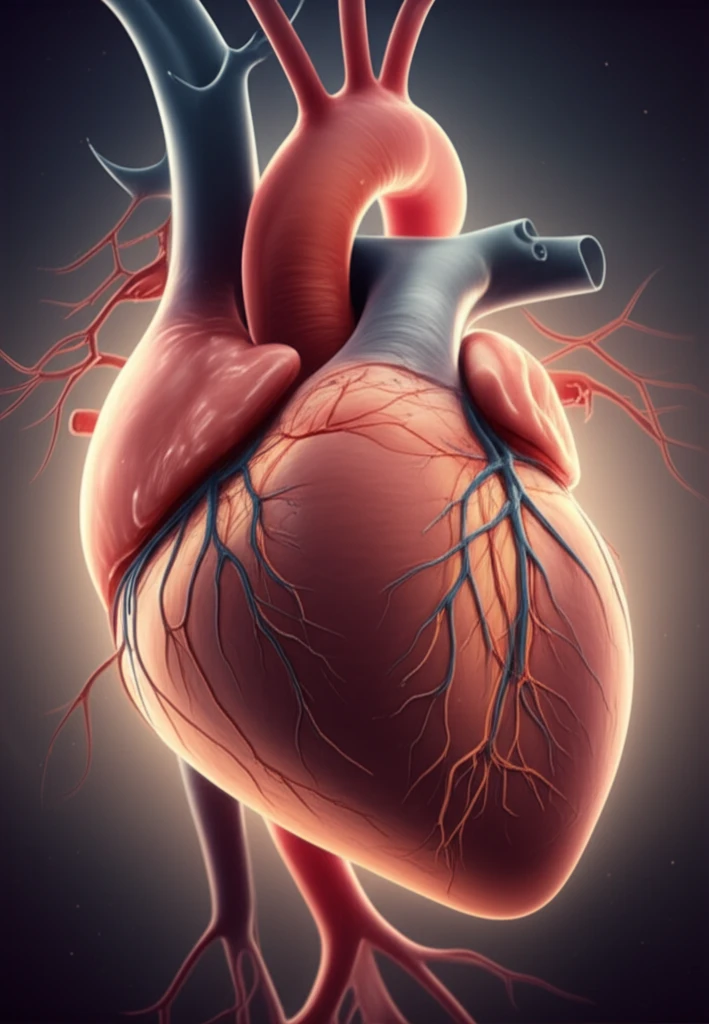
Fetal membrane enveloping a damaged heart.

Fetal Membranes: Nature's Regenerative Toolkit for Modern Medicine

"Unlocking the Healing Powers of Birth Tissues: From Ancient Remedies to Cutting-Edge Therapies"


For nearly a century, fetal membranes, the tissues that surround and protect a developing baby, have been quietly utilized in medicine. What started as a simple technique for skin dressings has evolved into a promising field of regenerative medicine, thanks to the discovery of unique stem cell populations within these tissues.

These stem cells, along with the inherent biological properties of the fetal membranes themselves, offer a unique combination of pro-angiogenic (promoting blood vessel growth) and immunomodulatory (regulating the immune system) effects. Researchers are now exploring how these properties can be harnessed to treat a wide range of conditions.

This article delves into the fascinating history of fetal membrane use, explores their biological origins and function, and highlights recent advancements in utilizing fetal membranes and their derived stem cells for regenerative therapies.

The Science Behind the Sac: How Fetal Membranes Promote Healing

Fetal membrane enveloping a damaged heart.

During pregnancy, the placenta plays a vital role in modulating the mother's immune system to protect the developing fetus. The fetal membranes, which comprise the amniotic and chorionic membranes, are key players in this process. They create an immunological barrier between mother and child.

One of the key mechanisms behind this immune privilege is the expression of HLA-G, a molecule that inhibits the mother's immune response against the fetus. Trophoblasts, specialized cells within the placenta and fetal membranes, also lack MHC class II antigens, further reducing the risk of immune rejection.

  • Immunomodulation: Fetal membranes help switch the maternal immune system from surveillance to tolerance, creating a safe environment for the fetus to grow.
  • HLA-G Expression: High levels of HLA-G on fetal membranes play a critical role in maternal-fetal tolerance.
  • Barrier Function: Trophoblasts act as an immunological barrier, preventing the mother's immune cells from directly attacking the fetus.
Beyond immune modulation, amniotic epithelial cells (hAECs) produce cytokines and growth factors that promote cell proliferation and differentiation. These factors remain bound to the extracellular matrix, even after the membrane has been processed, contributing to its regenerative potential.

The Future is Fetal: Charting the Course for Clinical Translation

Fetal membranes have transitioned from simple wound coverings to a source of stem cells and advanced therapies. Their unique immunological properties and regenerative potential make them valuable assets in treating a wide range of conditions, from burns and corneal damage to cardiovascular and neurological disorders.

Several early-phase clinical trials are already underway, investigating the safety and efficacy of fetal membrane-derived stem cells. The results of these trials will be crucial in shaping the future of this field and guiding the development of new regenerative medicine strategies.

To fully realize the potential of fetal membranes, it is essential to continue researching their biological roles during pregnancy and fetal wound healing. By understanding their microenvironment and mechanisms of action, we can optimize cell priming protocols, design effective bioreactors for large-scale cell production, and ultimately translate these discoveries into widespread clinical applications.

About this Article -

This article was crafted using a human-AI hybrid and collaborative approach. AI assisted our team with initial drafting, research insights, identifying key questions, and image generation. Our human editors guided topic selection, defined the angle, structured the content, ensured factual accuracy and relevance, refined the tone, and conducted thorough editing to deliver helpful, high-quality information.See our About page for more information.

This article is based on research published under:

DOI-LINK: 10.1002/sctm.16-0447, Alternate LINK

Title: Concise Review: Fetal Membranes In Regenerative Medicine: New Tricks From An Old Dog?

Subject: Cell Biology

Journal: Stem Cells Translational Medicine

Publisher: Oxford University Press (OUP)

Authors: Rebecca Lim

Published: 2017-08-22

Everything You Need To Know

1

What are the primary roles of fetal membranes during pregnancy?

The fetal membranes, specifically the amniotic and chorionic membranes, are crucial in protecting the developing baby and modulating the mother's immune system. They establish an immunological barrier, preventing the mother's immune cells from attacking the fetus. This is achieved through the expression of HLA-G, which inhibits the maternal immune response, and the absence of MHC class II antigens on trophoblasts. Their function is vital for the fetus's survival within the womb.

2

Why are fetal membranes important in regenerative medicine?

The fetal membranes are significant in regenerative medicine due to their unique properties. They contain stem cells and offer pro-angiogenic and immunomodulatory effects. Pro-angiogenic properties promote blood vessel growth, essential for tissue repair, while immunomodulatory effects regulate the immune system, reducing inflammation and promoting healing. These characteristics make the fetal membranes valuable for treating various conditions like burns and heart disease by encouraging tissue regeneration and reducing immune rejection.

3

What is the function of HLA-G in the context of fetal membranes?

HLA-G is a molecule expressed by the fetal membranes, playing a critical role in maternal-fetal tolerance. It inhibits the mother's immune response against the fetus, preventing the immune system from attacking the developing baby. This is a crucial mechanism for ensuring the survival of the fetus. Without HLA-G, the mother's immune system might recognize the fetus as foreign and launch an attack, leading to pregnancy complications or loss.

4

How do amniotic epithelial cells contribute to healing?

Amniotic epithelial cells (hAECs) are found within the fetal membranes and produce cytokines and growth factors. These factors promote cell proliferation and differentiation, key processes in tissue repair. Even after the membrane is processed, these factors remain bound to the extracellular matrix, contributing to the regenerative potential of the fetal membranes. This makes the fetal membranes a valuable source of bioactive molecules for therapies targeting tissue damage and promoting healing in conditions like burns and corneal damage.

5

How have fetal membranes evolved in medical applications?

The fetal membranes have transitioned from simple wound coverings to advanced therapies because of their inherent properties. The fetal membranes’s unique immunological and regenerative capabilities, including stem cell content, make them suitable for treating various conditions. These include burns, corneal damage, and cardiovascular and neurological disorders. This transition represents a significant advancement in regenerative medicine, highlighting the potential of birth tissues in treating a wide range of diseases.

Newsletter Subscribe

Subscribe to get the latest articles and insights directly in your inbox.