
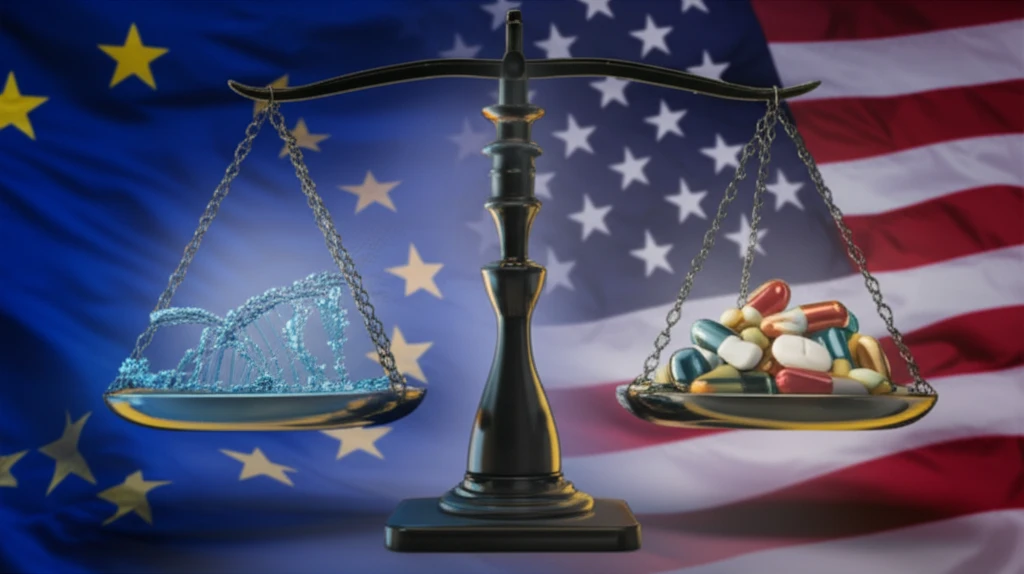
Balanced scale representing pharmaceutical innovation and regulation, with DNA and pills.

FDA's Future Under Trump: Navigating Innovation & Conflict

"A closer look at Scott Gottlieb's nomination, potential impacts, and the rising tide of chemistry patents in Europe."


The Food and Drug Administration (FDA) stands as a critical intersection of public health, pharmaceutical innovation, and regulatory oversight. Under the Trump administration, the nomination of Scott Gottlieb to lead the FDA sparked considerable debate, given his extensive ties to the pharmaceutical industry. This article delves into the potential impacts of Gottlieb's appointment, exploring the concerns raised about conflicts of interest and the broader implications for drug approval processes and healthcare costs.

Adding another layer to the discussion is the remarkable surge in chemistry-related patents in Europe. With the European Patent Office reporting a significant increase in granted patents, particularly in the chemical and pharmaceutical sectors, it's essential to understand how these trends might influence global innovation, competition, and access to new medicines. The intersection of regulatory leadership and patent activity creates a complex landscape that demands careful examination.

This analysis aims to provide a comprehensive overview of these interconnected developments, offering insights into the potential future of the FDA, the dynamics of pharmaceutical innovation, and the evolving landscape of intellectual property in the chemical sciences. By examining these critical issues, we hope to equip readers with a deeper understanding of the forces shaping healthcare and industry on both sides of the Atlantic.

Scott Gottlieb's Nomination: Promise and Potential Pitfalls

Balanced scale representing pharmaceutical innovation and regulation, with DNA and pills.

President Donald Trump's nomination of Scott Gottlieb to head the FDA was met with mixed reactions, primarily due to Gottlieb's deep connections within the pharmaceutical industry. As a physician with prior experience at the FDA, Gottlieb was seen by many as a proponent of faster drug approvals, particularly for low-cost generics. This approach was welcomed by those seeking to reduce healthcare costs and increase access to medications.

However, Gottlieb's extensive ties to pharmaceutical companies raised concerns about potential conflicts of interest. He had served on the boards of several pharmaceutical companies, including GlaxoSmithKline, and was a partner at New Enterprise Associates, a venture capital firm investing in the healthcare sector. Critics worried that these connections could influence his decisions and potentially favor industry interests over public health.

  • Supporters' Perspective: Advocates like Stephen J. Ubl, president and CEO of Pharmaceutical Research & Manufacturers of America, emphasized Gottlieb's experience and knowledge, expressing confidence that he would promote innovation and efficiency in the drug review process.
  • Critics' Concerns: Groups like Public Citizen's Health Research Group voiced strong opposition, citing Gottlieb's deep entanglement with the pharmaceutical industry and the potential for his policies to prioritize industry profits over patient safety and affordable access to medications.
  • Focus on Generics: The Association for Accessible Medicines noted that Gottlieb's nomination signaled a commitment to increasing access to safe, effective, and affordable medicines by streamlining the approval of generic drugs.
Ultimately, Gottlieb's confirmation hinged on his ability to navigate these conflicting perspectives and demonstrate a commitment to serving the public interest while fostering pharmaceutical innovation. The debate surrounding his nomination underscored the ongoing tension between promoting industry growth and ensuring affordable, safe access to medications.

The Future of Pharmaceuticals: Innovation, Regulation, and Access

The intertwined stories of Scott Gottlieb's FDA nomination and the surge in European chemistry patents highlight the complex dynamics shaping the pharmaceutical industry. As regulatory bodies navigate the balance between fostering innovation and ensuring public safety, the trajectory of pharmaceutical development will depend on addressing concerns about conflicts of interest, promoting affordable access to medications, and fostering a competitive landscape that encourages groundbreaking research. The coming years will be critical in determining how these factors converge to impact global healthcare.

About this Article -

This article was crafted using a human-AI hybrid and collaborative approach. AI assisted our team with initial drafting, research insights, identifying key questions, and image generation. Our human editors guided topic selection, defined the angle, structured the content, ensured factual accuracy and relevance, refined the tone, and conducted thorough editing to deliver helpful, high-quality information.See our About page for more information.

Everything You Need To Know

1

Who was Scott Gottlieb, and why was his nomination to the FDA significant?

Scott Gottlieb was nominated by President Donald Trump to lead the Food and Drug Administration (FDA). His nomination was significant because of his extensive connections to the pharmaceutical industry. As a physician with prior experience at the FDA, Gottlieb's nomination sparked debate, particularly concerning potential conflicts of interest. His appointment highlighted the tension between fostering pharmaceutical innovation and ensuring public health and affordable access to medications. The FDA plays a critical role in public health, pharmaceutical innovation, and regulatory oversight, making the leadership of the FDA crucial.

2

What were the primary concerns regarding Scott Gottlieb's nomination to the FDA?

The main concerns surrounding Scott Gottlieb's nomination revolved around potential conflicts of interest due to his deep ties to the pharmaceutical industry. He had served on the boards of companies like GlaxoSmithKline and was a partner at New Enterprise Associates, a venture capital firm investing in healthcare. Critics worried that these connections could influence his decisions, potentially favoring industry interests over patient safety and affordable access to medications. This raised questions about whether Gottlieb could effectively balance promoting industry growth with protecting public health.

3

How might the surge in chemistry-related patents in Europe affect the global pharmaceutical landscape?

The increase in chemistry-related patents in Europe, as reported by the European Patent Office, could significantly influence the global pharmaceutical landscape. This surge suggests a boost in innovation, particularly in the chemical and pharmaceutical sectors. This trend can potentially affect global innovation, competition, and access to new medicines. A rise in patents might lead to new drug discoveries and treatment options, but it could also affect competition and pricing strategies. The overall effect will depend on factors like regulatory responses and how easily these patented innovations can be accessed and affordably provided to the global population.

4

What viewpoints were expressed by supporters and critics of Scott Gottlieb's nomination?

Supporters of Scott Gottlieb, such as Stephen J. Ubl from Pharmaceutical Research & Manufacturers of America, emphasized his experience and knowledge, expressing confidence in his ability to promote innovation and efficiency in drug review processes. They believed that his leadership would benefit both the industry and patients. Conversely, critics, including Public Citizen's Health Research Group, strongly opposed his nomination, citing his close ties to the pharmaceutical industry and the potential for his policies to prioritize industry profits over patient safety and access to affordable medications. The Association for Accessible Medicines noted Gottlieb's commitment to streamlining the approval of generic drugs, which could increase access to safe, effective, and affordable medications.

5

How do regulatory leadership and patent activity intersect to shape the future of healthcare and industry innovation?

Regulatory leadership, exemplified by the FDA under a nominee like Scott Gottlieb, and the activity of patents, particularly the surge in chemistry-related patents in Europe, create a complex intersection that significantly shapes the future of healthcare and industry innovation. The FDA's decisions on drug approvals, influenced by factors such as conflict of interest concerns, and the regulatory frameworks in Europe concerning patent grants, affect the landscape of drug development. This intersection creates a complex environment that can affect market access, industry competition, innovation, and ultimately, the availability and affordability of healthcare solutions. Addressing concerns about conflicts of interest, promoting affordable access to medications, and fostering a competitive landscape are essential to ensure the trajectory of pharmaceutical development and its impact on global healthcare.

Newsletter Subscribe

Subscribe to get the latest articles and insights directly in your inbox.