
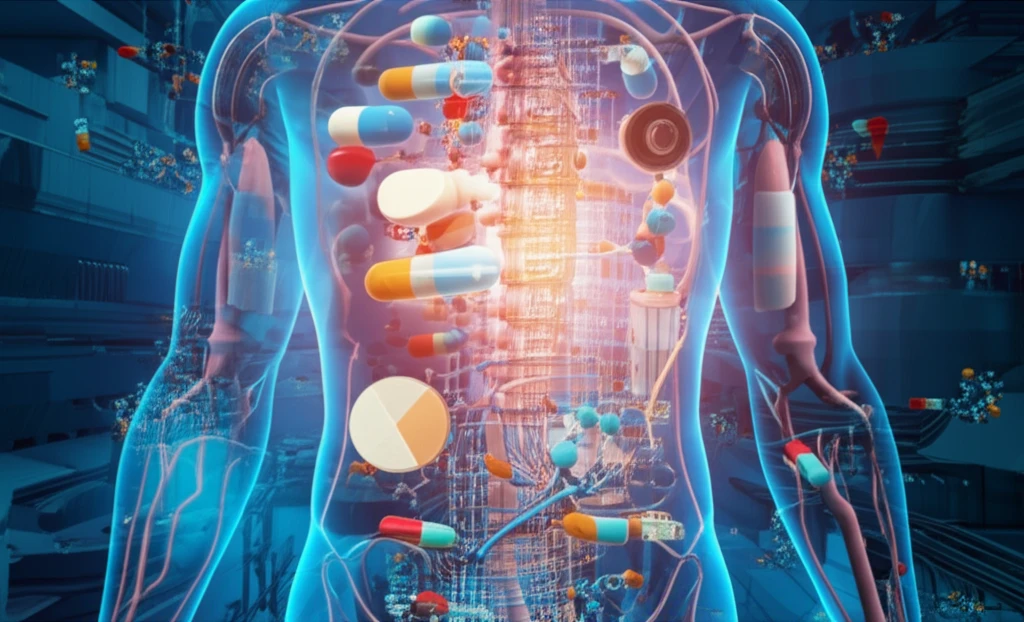
Pharmaceutical Factory Inside Human Body

FDA Under Trump: Navigating New Drug Approvals & Industry Ties

"Decoding Scott Gottlieb's nomination and Europe's chemistry patent surge"


The pharmaceutical landscape is constantly evolving, influenced by political decisions, regulatory changes, and scientific advancements. Two significant developments recently caught the attention of industry experts and the public: President Donald Trump's nomination of Scott Gottlieb to head the Food and Drug Administration (FDA) and the remarkable surge in chemistry-related patents in Europe.

Scott Gottlieb's nomination sparked mixed reactions due to his extensive ties to the pharmaceutical industry, raising questions about potential conflicts of interest. Simultaneously, Europe witnessed an unprecedented increase in chemistry-related patents, signaling a vibrant and innovative environment for chemical and pharmaceutical research.

In this article, we delve into these two critical events, examining their potential impact on drug approvals, healthcare innovation, and the broader pharmaceutical industry. Understanding these dynamics is crucial for anyone interested in healthcare, pharmaceuticals, and the ever-changing landscape of scientific innovation.

Scott Gottlieb: Balancing Industry Ties and Public Trust at the FDA

Pharmaceutical Factory Inside Human Body

President Donald Trump's decision to nominate Scott Gottlieb as the FDA commissioner was met with both enthusiasm and apprehension. Gottlieb, a physician with prior experience at the FDA, is seen as a proponent of faster drug approvals, particularly for low-cost generics. This aligns with the Trump administration's goal of reducing healthcare costs and increasing access to medications.

However, Gottlieb's deep connections to the pharmaceutical industry have raised concerns about potential conflicts of interest. He has served on the boards of several pharmaceutical companies and has worked as a consultant for others. Critics argue that these ties could influence his decisions as FDA commissioner, potentially prioritizing industry interests over public health.

  • Potential Benefits: Expedited drug approvals, increased availability of generic medications, reduced healthcare costs.
  • Potential Risks: Conflicts of interest, compromised safety standards, prioritization of industry profits over public health.
  • Expert Opinions: Industry leaders welcomed Gottlieb's nomination, citing his experience and understanding of the pharmaceutical landscape. Public health advocates expressed concerns about his industry ties and potential impact on drug safety and affordability.
Gottlieb's supporters argue that his industry experience provides him with valuable insights into the challenges and opportunities facing the pharmaceutical sector. They believe that he can effectively navigate the complex regulatory landscape while promoting innovation and ensuring patient safety. Ultimately, Gottlieb's success as FDA commissioner will depend on his ability to balance these competing interests and prioritize the well-being of the American public.

Looking Ahead: Innovation and Regulation in the Pharmaceutical Industry

The future of the pharmaceutical industry hinges on striking a delicate balance between fostering innovation and ensuring patient safety. As new technologies and treatments emerge, regulatory bodies like the FDA must adapt to keep pace while upholding rigorous standards. The developments discussed in this article – Scott Gottlieb's FDA nomination and the surge in European chemistry patents – highlight the complexities and challenges involved in this ongoing process. By understanding these dynamics, we can work towards a healthcare system that promotes innovation, affordability, and, above all, the well-being of patients.

About this Article -

This article was crafted using a human-AI hybrid and collaborative approach. AI assisted our team with initial drafting, research insights, identifying key questions, and image generation. Our human editors guided topic selection, defined the angle, structured the content, ensured factual accuracy and relevance, refined the tone, and conducted thorough editing to deliver helpful, high-quality information.See our About page for more information.

Everything You Need To Know

1

Who is Scott Gottlieb and what are the potential benefits and risks associated with his nomination as FDA commissioner?

Scott Gottlieb's nomination as FDA commissioner under President Trump aimed to speed up drug approvals, particularly for generics, to lower healthcare costs. However, his extensive ties to the pharmaceutical industry raised concerns about potential conflicts of interest. The implications include faster access to medications but also the risk of compromised safety standards if industry interests are prioritized over public health. Balancing these competing interests is crucial for ensuring both innovation and patient safety. Notably, the FDA's role in regulating drug advertising and promotion, though not explicitly mentioned, is also vital to consider in this context.

2

Why is there a surge in chemistry-related patents in Europe?

Chemistry-related patents are important because they signify innovation and advancement in the pharmaceutical industry. A surge in these patents, like the one witnessed in Europe, suggests a dynamic environment for chemical and pharmaceutical research. This can lead to the development of new drugs, treatments, and technologies. The implications are significant for healthcare innovation and the broader pharmaceutical industry. Increased patent activity can stimulate economic growth and improve patient outcomes. This trend also affects the global competitiveness of different regions in pharmaceutical research and development.

3

What are potential conflicts of interest, and how could they affect the FDA?

Potential conflicts of interest arise when an individual's personal or professional interests could influence their decisions in a way that compromises their objectivity and integrity. In the context of Scott Gottlieb's nomination, his ties to the pharmaceutical industry raised concerns that his decisions as FDA commissioner might favor industry interests over public health. The implications of such conflicts could include biased drug approvals, compromised safety standards, and a prioritization of industry profits over patient well-being. Addressing and mitigating these conflicts is essential for maintaining public trust in regulatory bodies.

4

How does the FDA ensure patient safety in the pharmaceutical industry?

The FDA plays a vital role in ensuring patient safety by regulating the development, approval, and marketing of drugs and medical devices. The FDA sets rigorous standards for safety and efficacy, conducts inspections, and monitors adverse events. This is essential for protecting the public from harmful or ineffective products. Potential benefits of a well-functioning FDA include access to safe and effective treatments, reduced healthcare costs, and increased public trust in the pharmaceutical industry. The FDA's oversight extends to clinical trials, manufacturing processes, and post-market surveillance, all of which contribute to ensuring patient safety.

5

Why is innovation important in the pharmaceutical industry?

Innovation in the pharmaceutical industry is crucial for developing new and improved treatments for diseases and medical conditions. It involves discovering new drug targets, developing novel therapies, and improving existing medications. Fostering innovation requires investment in research and development, collaboration between industry and academia, and a supportive regulatory environment. The implications of innovation are far-reaching, including improved patient outcomes, reduced healthcare costs, and economic growth. Without continued innovation, the pharmaceutical industry would stagnate, and patients would miss out on potentially life-saving treatments.

Newsletter Subscribe

Subscribe to get the latest articles and insights directly in your inbox.