
Exercise as Medicine: How Movement Can Help Heal Peripheral Artery Disease

"Unlocking the potential of exercise to combat PAD and promote collateral growth."
Peripheral Artery Disease (PAD) affects millions, limiting blood flow to the limbs and causing pain and reduced mobility. While medical interventions like surgery and medication are common, a growing body of research highlights the profound benefits of exercise as a therapeutic approach.
Exercise isn't just about building muscle; it triggers a cascade of biological responses that can help the body heal. For individuals with PAD, this translates to improved blood vessel growth (collateral circulation), reduced inflammation, and enhanced overall cardiovascular health. But how exactly does exercise achieve these benefits, and how can individuals with PAD safely and effectively incorporate it into their treatment plans?
Recent studies are shedding light on the mechanisms by which exercise combats PAD, paving the way for more targeted and effective exercise interventions. These studies emphasize the importance of understanding how exercise influences blood vessel development and immune responses in the context of PAD. This article explores groundbreaking research presented at the 6th ESVS Spring Meeting, providing insights into the transformative role of exercise in managing PAD.
A Gap in Routine-Care Data
For peripheral artery disease (PAD) and intermittent claudication (IC), the cited review says little is known about how closely routine care aligns with best-practice exercise therapy recommendations. The source does not provide a current prevalence figure or a measure of exercise-therapy uptake. It identifies the gap in knowledge about routine care as an unresolved issue.
Exercise Is Recommended, but Underused
A 2023 state-of-the-art review reports that American Heart Association/American College of Cardiology guidelines recommend exercise therapy for PAD as a Class 1A treatment, while its use remains suboptimal. A clinical consensus paper says guidelines worldwide strongly recommend exercise as a pillar of care for lower-extremity PAD. It also notes that exercise therapy has different modalities and that structured programs provide optimal results.
A Wide Spectrum of Disease
The 2024 review “Peripheral Artery Disease: Past and Future” reports that lower-extremity PAD affects an estimated 116 million to 230 million people worldwide. It describes manifestations ranging from asymptomatic disease, with no exertional leg symptoms, to chronic limb-threatening ischemia (CLTI). CLTI is defined in the review by lower-limb rest pain, gangrene, or ulceration.
Exercise Stimulates Collateral Growth in PAD: The Mouse Model
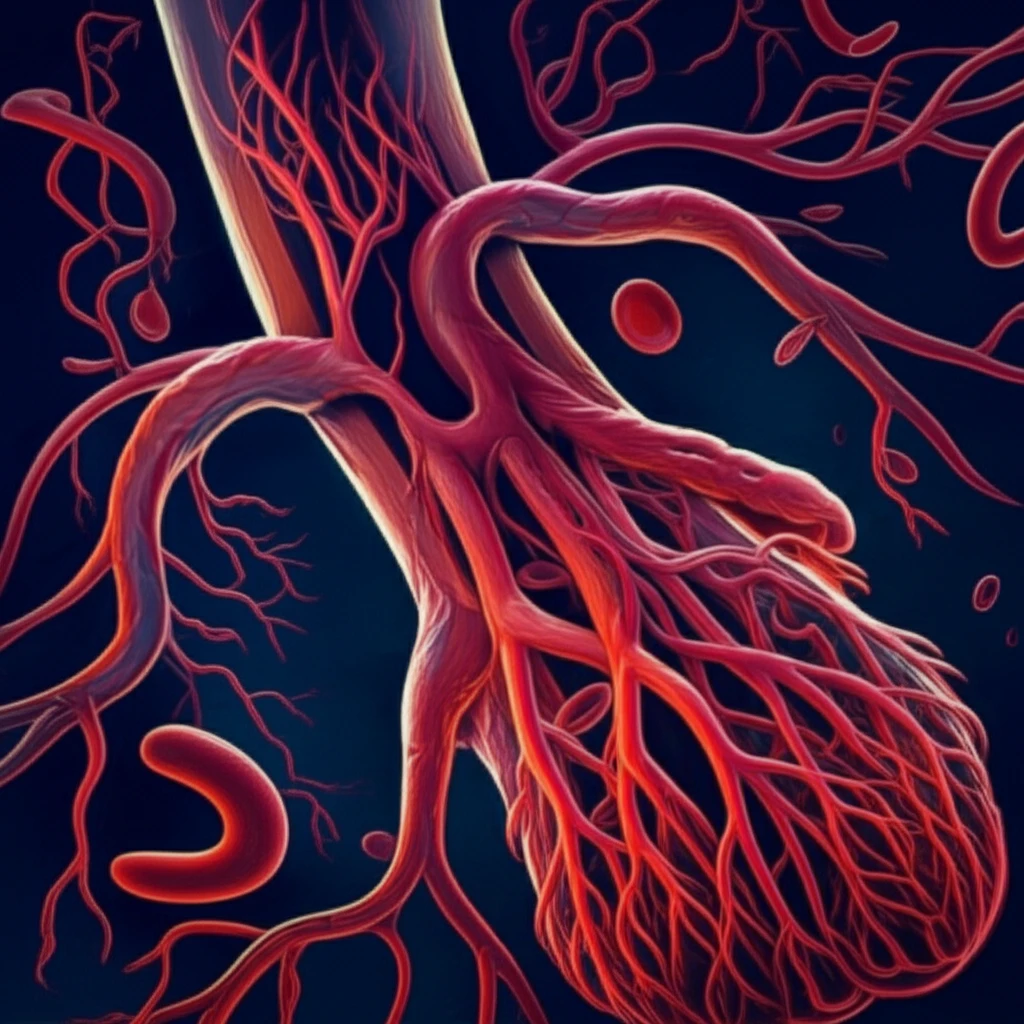
To understand the effects of exercise on PAD, researchers developed a mouse model to mimic the condition. In this study, mice with induced PAD were subjected to controlled exercise regimens, allowing scientists to observe the impact of physical activity on blood vessel growth and overall health. The findings revealed that exercise significantly promotes collateral growth – the development of new blood vessels that bypass blocked arteries – improving blood flow to the affected limbs.
- Improved Blood Flow: Exercise leads to a significant improvement in blood flow to the affected limbs, as evidenced by increased perfusion measurements.
- Macrophage Activity: Exercise increases the number of macrophages and endothelial monocyte activity which supports vascular repair and regeneration, reducing inflammation.
- No Difference in Size: There was no significant change to the size of collateral arteries between the groups.
Measured Gains from Supervised Walking
A 2024 review reports that supervised walking exercise is recommended by practice guidelines for lower-extremity PAD. Compared with control, supervised treadmill exercise improves treadmill walking distance by approximately 180 m and six-minute walk distance by 30–35 m. The American College of Cardiology’s 2025 summary likewise reports that randomized controlled trials show supervised exercise therapy improves functional status, walking performance, and quality of life in people with PAD and claudication.
Benefits Do Not Extend to Every Endpoint
A meta-analysis of clinical trials in people with intermittent claudication found that exercise did not improve the ankle-brachial index (ABI), an indicator of perfusion, or reduce mortality or amputation. These findings concern those specific outcomes and do not, by themselves, address other possible effects of exercise. Separately, a review of routine care says little is known about how closely PAD and IC management aligns with best-practice exercise recommendations.
Comparing Exercise Pacing and Other Modalities
Harvard Health describes a 2021 study published in JAMA that compared low-intensity and high-intensity pacing in 305 patients, whose average age was 69 and of whom 48% were women. Participants were divided into three groups, including a no-exercise group. Another review says recent studies have investigated physical-therapy modalities for peripheral vascular disease, but the provided source summary does not report comparative results.
Empowering PAD Patients Through Exercise: A Call to Action
The research presented underscores the importance of viewing exercise as a valuable tool in the management of PAD. However, it's crucial to approach exercise safely and effectively. Individuals with PAD should consult with their healthcare providers to develop personalized exercise plans that consider their specific condition and limitations.
Daily Activity and Rehabilitation
A review reports that a physically active lifestyle reduces cardiovascular-event risk and functional impairment in people with PAD, while noting limited data on physical-activity patterns across countries. A retrospective study enrolled 835 elderly patients with PAD and claudication to evaluate the association between rehabilitative outcomes and risk of peripheral revascularization. The source describes the study’s aim but does not provide its results in the supplied summary.
By understanding the science behind exercise and its impact on PAD, individuals can take proactive steps to improve their vascular health. Embracing a healthy lifestyle that incorporates regular physical activity can lead to significant improvements in blood flow, reduced inflammation, and enhanced quality of life. Remember to consult with your doctor before starting any new exercise program.
The future of PAD treatment lies in a holistic approach that combines medical interventions with lifestyle modifications. As research continues to unravel the mechanisms by which exercise combats PAD, we can expect even more targeted and effective exercise interventions to emerge, empowering individuals to take control of their health and well-being.