
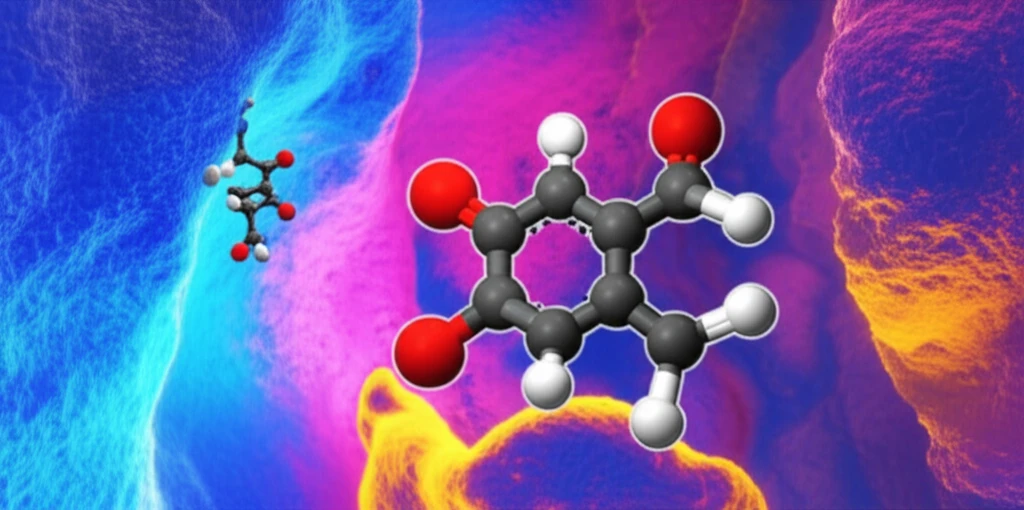
Ephedrine molecule interacting with blood plasma proteins

Ephedrine's Hidden Interactions: Unveiling How This Common Drug Really Works in Your Body

"New research sheds light on how ephedrine binds to proteins in the blood, impacting its effectiveness and side effects. Are you getting the most out of your decongestant?"


When you reach for an over-the-counter cold medicine, you're likely not thinking about how the active ingredients interact with your body on a molecular level. Yet, this interaction—specifically how a drug binds to proteins in your blood—plays a vital role in determining its effectiveness and potential side effects. For drugs like ephedrine and pseudoephedrine, commonly used as decongestants, understanding this protein binding is crucial.

Think of albumin, the most abundant protein in your blood, as a fleet of tiny taxis constantly transporting substances throughout your body. Drugs like ephedrine hitch a ride on these taxis. However, only the 'free' or unbound fraction of the drug can actually exert a pharmacological effect. If a large portion of the drug is bound to albumin, less is available to relieve your stuffy nose or elevate blood pressure.

Despite being used for decades, surprisingly little is known about the extent to which ephedrine and its related compounds bind to plasma proteins. New research has now investigated this interaction in detail, uncovering some unexpected insights that could impact how these drugs are used and developed in the future.

How Does Ephedrine Interact with Your Blood?

Ephedrine molecule interacting with blood plasma proteins

A recent study delved into the binding behavior of ephedrine and its stereoisomers (compounds with the same chemical formula but different spatial arrangements) using a technique called ultrafiltration. This method separates the 'free' drug from the protein-bound drug, allowing researchers to quantify the interaction. They tested ephedrine's binding affinity to different types of albumin (bovine and human) as well as whole human serum, which contains a mixture of proteins.

The study employed two ultrafiltration methods – continuous and discontinuous – to ensure the accuracy of the findings. The continuous method allows for a wide range of drug-protein ratios to be measured in a single run, while the discontinuous method provides a more limited snapshot. Comparing the results from both techniques helped to confirm the reliability of the data.

Here's what the research revealed about ephedrine's protein binding:
  • Low Affinity to Albumin: All four stereoisomers of ephedrine exhibited a relatively low affinity to both bovine and human serum albumin (only 5-10% bound). This suggests that a significant portion of the drug remains 'free' in the bloodstream.
  • Stereochemical Influence: The dextrorotatory isomer of ephedrine showed a slightly higher extent of protein binding compared to its levorotatory counterpart. Stereochemistry matters because it impacts how the drug interacts on a molecular level!
  • Serum vs. Albumin: When tested in whole human serum, a much higher amount of ephedrine was bound to proteins (20-35%). This indicates that ephedrine interacts with other proteins in the blood, not just albumin.
These findings challenge previous studies that reported much higher binding affinities for ephedrine. The researchers attribute these discrepancies to differences in methodology and non-physiological conditions used in earlier experiments. The current study's use of ultrafiltration under controlled conditions provides a more accurate picture of how ephedrine behaves in the body.

What Does This Mean for You?

The research suggests that a larger fraction of ephedrine remains unbound in the bloodstream compared to what was previously believed. This may explain its rapid onset of action when used as an emergency medication to elevate blood pressure. However, it also means that individual responses to ephedrine can vary depending on the levels of other binding proteins in their blood.

For manufacturers of cold and allergy medications containing ephedrine or pseudoephedrine, these findings highlight the importance of considering protein binding when formulating dosages. Further research is needed to identify the specific non-albumin proteins that interact with ephedrine and how these interactions affect its overall efficacy and safety.

Understanding the nuances of drug-protein interactions opens the door to optimizing drug delivery and personalizing treatment. As we learn more about these complex processes, we can develop more effective and targeted therapies with fewer side effects. The new data is vital for assessing stereochemical activity!

About this Article -

This article was crafted using a human-AI hybrid and collaborative approach. AI assisted our team with initial drafting, research insights, identifying key questions, and image generation. Our human editors guided topic selection, defined the angle, structured the content, ensured factual accuracy and relevance, refined the tone, and conducted thorough editing to deliver helpful, high-quality information.See our About page for more information.

This article is based on research published under:

DOI-LINK: 10.1016/j.ejps.2018.10.027, Alternate LINK

Title: Determination Of Plasma Protein Binding For Sympathomimetic Drugs By Means Of Ultrafiltration

Subject: Pharmaceutical Science

Journal: European Journal of Pharmaceutical Sciences

Publisher: Elsevier BV

Authors: M. Volpp, U. Holzgrabe

Published: 2019-01-01

Everything You Need To Know

1

What is the significance of ephedrine's interaction with blood proteins?

When taking a decongestant, it's essential to understand how the active ingredients interact with your body. For drugs like ephedrine, understanding this protein binding is crucial because it determines the drug's effectiveness and potential side effects. This interaction refers to how a drug binds to proteins in your blood, influencing its effects as a decongestant and more. Only the 'free' or unbound fraction of the drug can actually exert a pharmacological effect. If a large portion of the drug is bound to albumin, less is available to relieve your symptoms.

2

What is ephedrine, and why is understanding its protein binding so important?

The term 'ephedrine' refers to a medication commonly used as a decongestant. It is a drug that can elevate blood pressure. It's a crucial element because how it interacts with proteins in your blood determines its effectiveness and potential side effects. The research has shown that ephedrine has a low affinity to albumin, with only a small percentage bound to it. However, in whole human serum, a higher amount of ephedrine was bound to proteins, indicating interactions with other proteins in the blood.

3

What role does albumin play, and what does it mean for the effects of ephedrine?

Albumin is the most abundant protein in your blood. It acts as a transporter, carrying substances throughout your body. Drugs like ephedrine 'hitch a ride' on this protein. The significance lies in the fact that only the unbound portion of ephedrine is active. If a large amount is bound to albumin, less of the drug is available to produce the desired effects, like clearing congestion or raising blood pressure. The study found that ephedrine exhibits a relatively low affinity to both bovine and human serum albumin, with only 5-10% bound.

4

What are stereoisomers, and why does their difference matter when it comes to ephedrine?

Stereoisomers are compounds with the same chemical formula but different spatial arrangements. In the case of ephedrine, these isomers can have different binding properties. The dextrorotatory isomer of ephedrine showed slightly higher protein binding compared to its levorotatory counterpart. This difference in binding affinity can impact the drug's effectiveness and how it interacts with the body at a molecular level. Stereochemistry is important because it influences how the drug interacts on a molecular level!

5

How does ultrafiltration help scientists understand how ephedrine interacts with the body?

Ultrafiltration is a technique used to separate the 'free' drug from the protein-bound drug, allowing researchers to quantify the interaction. In the study, both continuous and discontinuous methods were used to ensure accuracy. This method provides a more accurate picture of how ephedrine behaves in the body. The findings from the study revealed that ephedrine exhibits a relatively low affinity to albumin and that it interacts with other proteins in the blood, not just albumin.

Newsletter Subscribe

Subscribe to get the latest articles and insights directly in your inbox.