
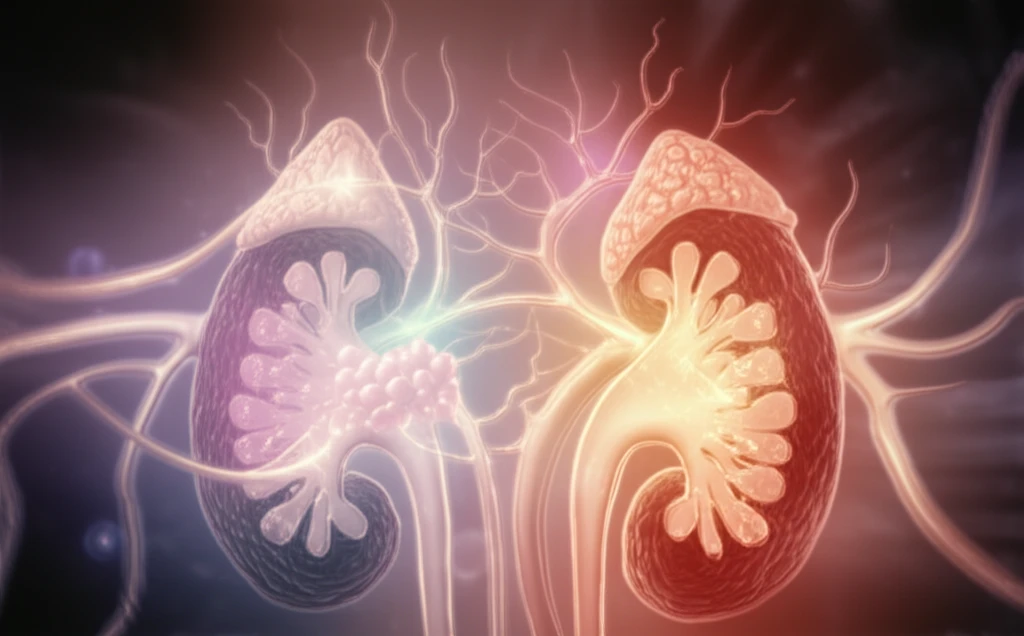
Endocrine Tumors: A Comprehensive Guide to Diagnosis and Treatment

"Navigating the complexities of endocrine tumors: from thyroid and pituitary to adrenal and neuroendocrine neoplasms, ensuring informed decisions for better health outcomes."
Endocrine tumors represent a diverse group of neoplasms, each originating from different hormone-producing glands. These tumors are classified into thyroid carcinomas, pituitary adenomas, adrenal tumors, and neuroendocrine tumors. This guide dives into the latest advancements in diagnosing and treating these conditions.
The differential diagnosis of hypercalcemia, a common clinical challenge, is another key focus. Understanding the underlying causes and appropriate management strategies are essential for effective patient care.
This review aims to provide an overview of current diagnostic and therapeutic strategies, offering guidance for patients and healthcare professionals navigating the complexities of endocrine tumor management.
The Endocrine System’s Reach
The endocrine system is a messenger network in which glands release hormones into the bloodstream to regulate distant organs. Major human endocrine glands include the thyroid, parathyroid, pituitary, and pineal glands. Hormones such as thyroid hormone, growth hormone, and insulin influence different organ systems through feedback mechanisms. The system helps regulate processes including metabolism, growth, mood, reproduction, and fluid balance.
Hormonal Regulation and Its Complexity
A standard way to understand endocrine disorders is to examine how gland-produced hormones affect essential body functions. The endocrine system helps control processes such as the body's ability to change calories into energy. Because hormones influence multiple functions, disturbances in endocrine signaling can have effects across different parts of the body. The available source describes this regulatory role but does not establish a single diagnostic or treatment method for endocrine tumors.
Foundations of Endocrine Science
The study of endocrine tumors builds on the broader scientific understanding that glands release chemical messengers affecting distant organs. Over time, this framework has supported the recognition of hormonal regulation as a distinct area of medicine. A detailed timeline of discoveries and milestones would require historical sources not provided here.
Thyroid Carcinomas: Differentiated vs. Undifferentiated
Thyroid carcinomas are broadly classified into differentiated (papillary and follicular) and undifferentiated (medullary and anaplastic) types. Differentiated thyroid cancers often have a favorable prognosis, especially when treated with radioiodine therapy.
- Differentiated Thyroid Carcinomas: Often curable with radioiodine, even with metastases.
- Undifferentiated Thyroid Carcinomas: Poorer prognosis, requiring aggressive treatment.
- Tyrosine Kinase Inhibitors: New drugs improving outcomes in advanced thyroid cancers.
An Evolving Research Field
Current endocrine-tumor research may involve improving understanding of hormone signaling, tumor biology, diagnosis, and treatment. However, no study, review, clinical trial, or specific research finding was provided for this subsection. Specific claims about recent advances therefore require additional sources.
Limits of Generalization
Endocrine tumors are unlikely to be fully represented by a single general explanation because endocrine tissues and hormone effects vary across the body. Apparent similarities in symptoms may not identify the same underlying tumor or hormonal disturbance. The supplied material does not document particular treatment failures, disputed claims, or counterarguments.
Comparing Endocrine Conditions
Meaningful comparison of endocrine tumors would require evidence about their origins, hormone activity, diagnostic findings, outcomes, and treatments. Those details are not included in the source material for this subsection. Comparisons should therefore avoid assuming that tumors involving different endocrine glands behave or respond in the same way.
The Path Forward
The landscape of endocrine tumor management is continually evolving, with ongoing research and clinical trials paving the way for innovative diagnostic and therapeutic approaches. Through continued collaboration and knowledge sharing, advancements promise to improve the lives of individuals affected by these complex conditions.
An Integrated Perspective
Endocrine tumors should be considered within the wider endocrine system, where glands and hormones interact through regulatory feedback. This perspective highlights why effects can extend beyond the tissue where a tumor originates. A source-based expert synthesis would require clinical or review literature not supplied here.
Future Directions
Future progress may depend on more precise ways to identify endocrine tumors and understand their hormonal effects. Research could also seek treatments tailored to tumor biology and hormone activity. No specific emerging technology, projected milestone, or future study was provided, so these possibilities remain general.
System-Wide Challenges
The endocrine system connects multiple glands, hormones, and organs, which can make endocrine disease clinically wide-ranging. Feedback mechanisms add another layer of complexity because changes in one hormonal pathway may influence others. The supplied sources do not provide evidence about healthcare access, diagnostic disparities, costs, or other systemic challenges.
Living With Endocrine Disease
Because hormones influence metabolism, growth, mood, reproduction, and fluid balance, endocrine disorders can affect several aspects of daily health. The broad effects of hormonal disruption may make patient experiences varied. Specific accounts of quality of life, patient needs, or real-world treatment experiences were not included in the provided sources.