
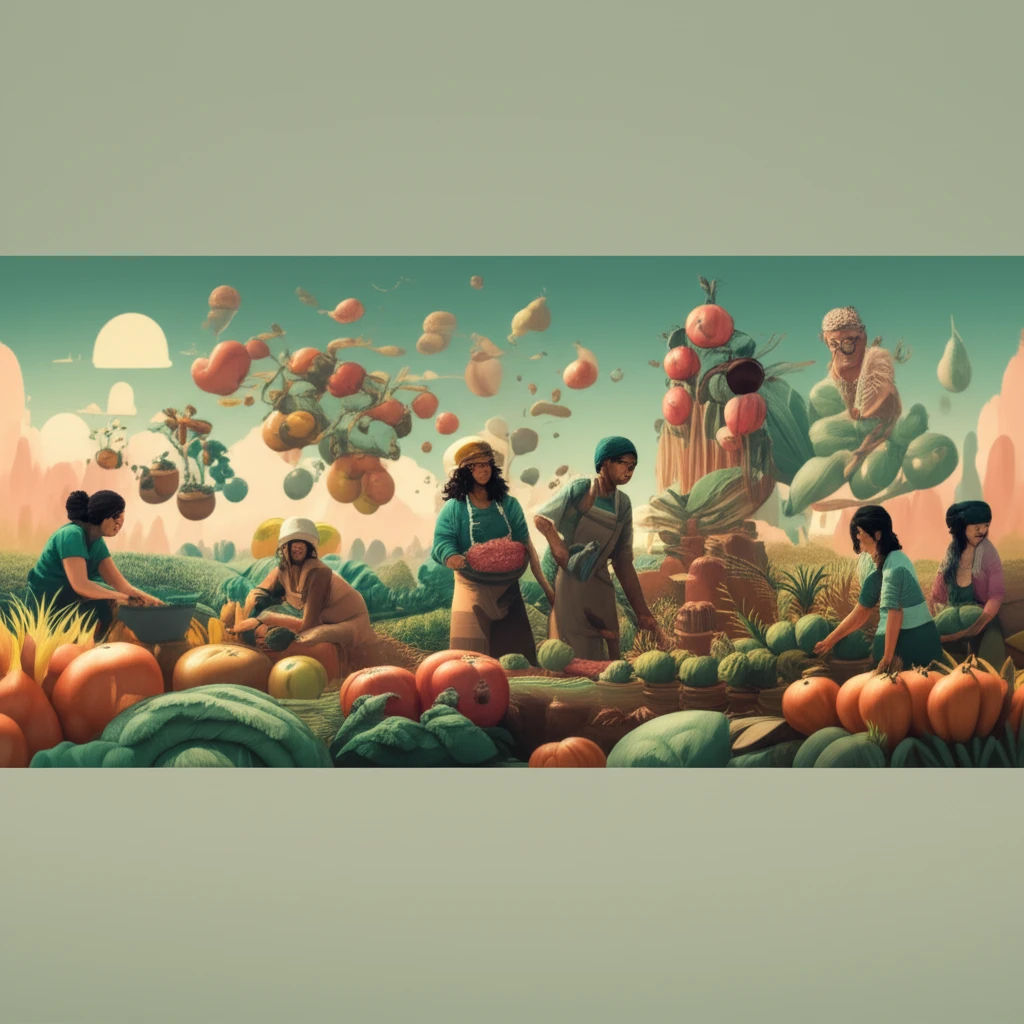
Empowered women working together in agriculture.

Empowering Women in Agriculture: Overcoming Obstacles and Driving Change

"Unveiling the keys to unlocking women's full potential in farming and rural economies."


Across the globe, women are the backbone of agriculture, nurturing the land and sustaining communities. Their daily contributions are essential for food production and enhancing livelihoods. However, their work is often undervalued and under supported.

Recognizing the crucial role of women in agriculture is key to unlocking new strategies for economic development and empowerment. While studies in Sri Lanka regarding women's participation in agriculture are limited, it is necessary to evaluate their contributions and address the obstacles they encounter.

This analysis delves into the factors influencing women's involvement in agriculture, the constraints they face, and their participation in decision-making processes, ultimately aiming to improve their roles in agricultural sector.

Unveiling the Factors That Shape Women's Role in Agriculture

Empowered women working together in agriculture.

A study conducted in the Vavuniya district of Sri Lanka provides valuable insights into the dynamics of women's participation in agriculture. The research compared women from urban and rural areas, revealing distinct patterns and challenges. Key findings highlight the significant difference in participation rates between rural and urban women, with 90% of rural women actively involved compared to 50% of their urban counterparts. On average, women in rural areas dedicated approximately 836 hours per year to agricultural activities, contrasting with 77 hours in urban areas.

Multiple regression analysis identified factors influencing women's participation. In urban areas, women's involvement in agriculture was negatively correlated with employment status, age, and education level. A fitted model for rural areas indicated that age and educational attainment negatively impacted women's participation, suggesting that older and more educated women may seek alternative opportunities outside of agriculture. These insights underscore the complex interplay of socio-economic factors that shape women's engagement in the agricultural sector.

  • Employment Status: Women with other employment opportunities may have less time or inclination to participate in agriculture.
  • Age: Younger women may be more likely to seek education or employment outside of agriculture.
  • Education Level: Higher education levels can open doors to diverse career paths, potentially leading women away from traditional farming.
These models also underscore the complexity inherent in understanding and predicting women's participation in agriculture, calling for consideration of diverse factors beyond simple demographics. By understanding the nuances, policy interventions and support mechanisms can be designed more effectively to address the specific needs and constraints faced by women in different contexts.

Overcoming Obstacles and Paving the Way Forward

To unlock the full potential of women in agriculture, it is essential to address the obstacles they face, including lack of knowledge, training, family responsibilities, cultural barriers, and physical constraints. By implementing targeted interventions and promoting gender-inclusive policies, we can create an enabling environment for women to thrive in agriculture and contribute to sustainable development.

About this Article -

This article was crafted using a human-AI hybrid and collaborative approach. AI assisted our team with initial drafting, research insights, identifying key questions, and image generation. Our human editors guided topic selection, defined the angle, structured the content, ensured factual accuracy and relevance, refined the tone, and conducted thorough editing to deliver helpful, high-quality information.See our About page for more information.

Everything You Need To Know

1

What is the primary role of women in agriculture globally?

Across the globe, women are the backbone of agriculture, responsible for nurturing the land and sustaining communities. Their daily contributions are essential for food production and enhancing livelihoods. Despite this, their work is often undervalued and under supported. Recognizing their crucial role is key to unlocking new strategies for economic development and empowerment.

2

What are the key differences in agricultural participation between urban and rural women in the Vavuniya district of Sri Lanka?

Research in the Vavuniya district revealed significant differences. 90% of rural women actively participate in agriculture, compared to 50% in urban areas. Rural women dedicate approximately 836 hours per year to agricultural activities, while urban women spend only 77 hours. This disparity highlights the varied engagement levels influenced by location and socio-economic factors.

3

What socio-economic factors influence women's participation in agriculture, according to the Vavuniya district study?

In urban areas, the study found that employment status, age, and education level negatively correlated with women's involvement in agriculture. For rural areas, age and education also negatively impacted participation. This suggests that women with alternative employment, older women, and those with higher education may seek opportunities outside of agriculture. These findings underscore the complex interplay of factors shaping women's engagement in the agricultural sector.

4

How does age affect women's involvement in agriculture, and why is this important?

In both urban and rural contexts within the Vavuniya district study, age negatively impacted women's participation. This indicates that older women may have reduced involvement in agriculture, possibly due to retirement, shifting priorities, or physical constraints. This is important because understanding these age-related trends allows for better targeting of support and resources to ensure all women, regardless of age, can fully participate and benefit from agricultural opportunities. This also allows for the creation of programs that can support older women farmers, and help them overcome physical and knowledge barriers.

5

What obstacles hinder women in agriculture, and how can these be addressed?

Women face several obstacles, including lack of knowledge, inadequate training, family responsibilities, cultural barriers, and physical constraints. To overcome these, targeted interventions and gender-inclusive policies are crucial. These could include providing access to education, training, and resources, addressing cultural biases, and implementing policies that support women's needs. Creating an enabling environment where women can thrive in agriculture is essential for sustainable development and unlocking their full potential.

Newsletter Subscribe

Subscribe to get the latest articles and insights directly in your inbox.