
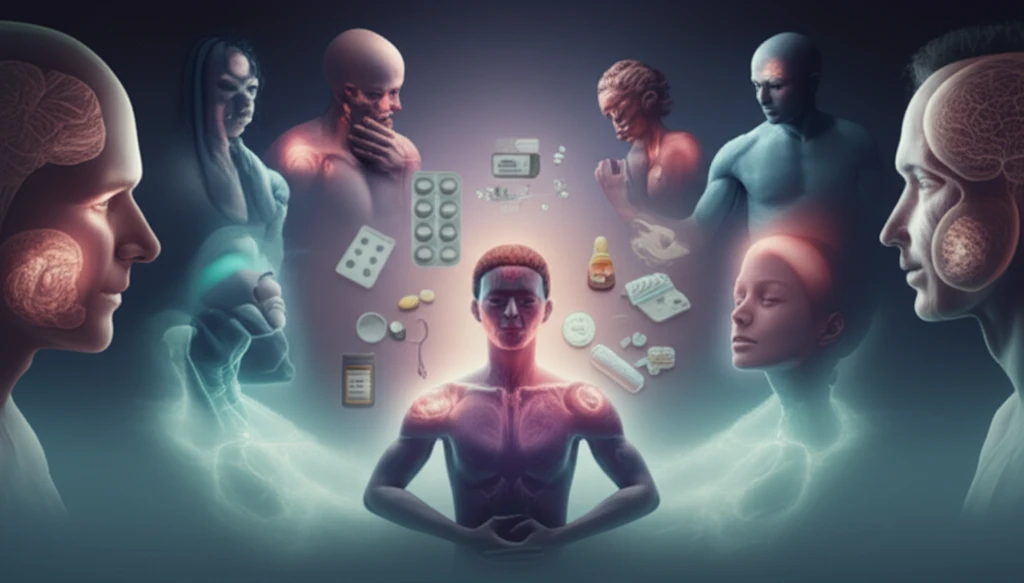
Emergency Room Pain Relief: What Are Your Options?

"Navigating acute pain management in the ER? Discover effective pharmacologic and non-pharmacologic treatments to help you find relief and improve your care."
Emergency departments (EDs) are often the first point of contact for individuals experiencing acute pain. Whether it's a sudden injury, a flare-up of a chronic condition, or an unknown source of discomfort, managing pain effectively in the ER is crucial. The American College of Emergency Physicians (ACEP) recognizes this need and provides guidelines to optimize pain management in the ED, ensuring patients receive prompt, safe, and effective care.
These guidelines emphasize a patient-specific approach, considering individual factors and the nature of the pain. Treatment strategies range from pharmacological interventions, such as non-opioid and opioid medications, to non-pharmacological methods, including communication techniques and physical interventions. The goal is to provide relief while minimizing potential risks and side effects.
This article will explore the ACEP's recommendations for acute pain management in the ED, offering insights into the various treatment options available and how they can be tailored to meet your specific needs. Understanding these approaches can empower you to actively participate in your care and work with healthcare providers to achieve the best possible outcome.
Pharmacologic Treatments: Balancing Relief and Risk
When it comes to managing acute pain, medications often play a central role. The ACEP guidelines recommend a stepwise approach, starting with non-opioid options whenever possible. This helps to minimize the risk of side effects and potential complications associated with stronger medications.
- Nonsteroidal Anti-Inflammatory Drugs (NSAIDs): Medications like ibuprofen and naproxen can effectively reduce pain and inflammation. However, they should be used cautiously in individuals with kidney problems, heart failure, or a history of gastrointestinal bleeding.
- Acetaminophen: Oral or rectal acetaminophen is a good initial option for mild to moderate pain. Intravenous acetaminophen offers similar benefits but is typically reserved for those who cannot take medication by mouth.
- Regional Anesthesia (Nerve Blocks): These procedures can provide targeted pain relief by blocking nerve signals in a specific area. Ultrasound guidance can enhance precision and effectiveness.
- Subdissociative-Dose Ketamine (SDK): SDK may be used alone or with other pain relievers for both traumatic and non-traumatic pain. Patients should be informed about potential transient side effects.
- Intravenous Lidocaine: This medication can be beneficial for certain conditions like renal colic or acute radicular back pain, but it's not suitable for individuals with structural heart disease or rhythm disturbances.
- Topical Lidocaine Patches: These patches can provide localized pain relief for conditions like postherpetic neuralgia.
- Opioid Analgesics: While effective for severe pain or when other treatments fail, opioids carry risks of sedation, respiratory depression, and potential for dependence. Your doctor will assess your individual risk factors and discuss potential side effects before prescribing.
Beyond Medications: Exploring Non-Pharmacologic Approaches
Pain management isn't solely about medications. Non-pharmacologic treatments play a vital role in providing holistic and effective care. These approaches can reduce reliance on drugs and empower patients to actively manage their pain.
Effective non-pharmacologic strategies include patient-centered communication, physical interventions (ice, heat, topical coolants), activity and exercise recommendations, and relaxation techniques. Empathy and trust between patient and provider are key to optimizing outcomes.
By understanding both pharmacologic and non-pharmacologic options, you can work collaboratively with your healthcare team to develop a personalized pain management plan that addresses your specific needs and promotes your well-being.