
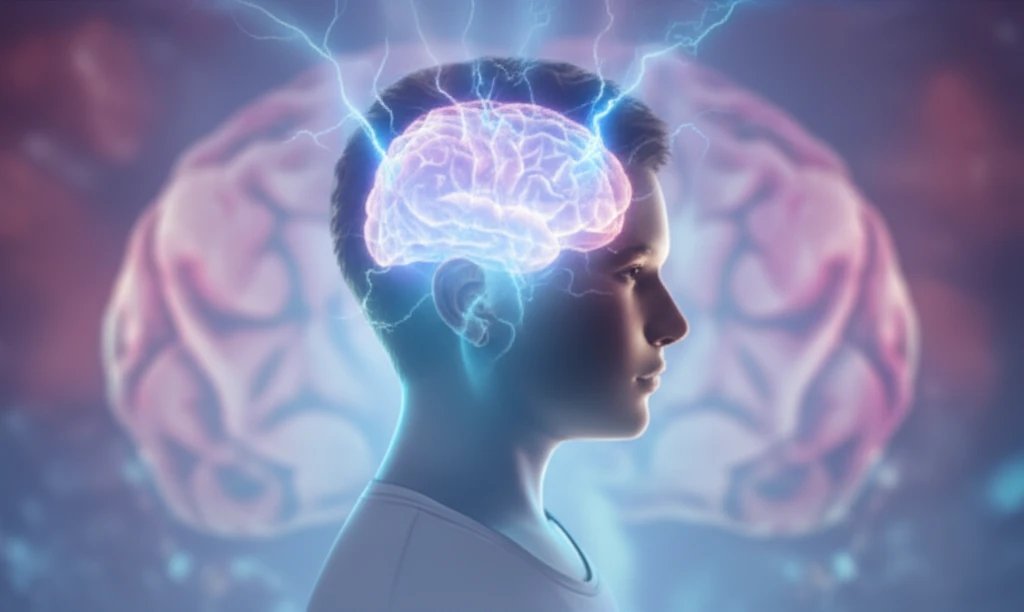
ECT and Adolescents: Understanding the Treatment and Its Impact

"Navigating the complexities of electroconvulsive therapy for young people."
Electroconvulsive therapy (ECT) is a medical treatment that has sparked considerable debate, particularly when used with adolescents. While it might sound daunting, ECT has a history of being a potentially life-saving intervention for severe mental health conditions. This article aims to unravel the complexities surrounding ECT for adolescents, offering clarity on its application, effectiveness, and the perspectives of those involved.
The use of ECT in adolescents is not as common as in adults, but it remains an option for severe cases where other treatments haven't provided relief. It's crucial to understand that ECT is considered when other treatments, like medication and therapy, haven't been effective, or in cases where the condition is life-threatening. This introduction sets the stage for a comprehensive look into ECT, its context, and its impact on young people.
This exploration will address key questions: What is ECT? When is it used for adolescents? What are the experiences of families who have gone through this treatment? By examining these aspects, this article aims to provide a balanced and informative perspective on ECT for adolescents, empowering readers with knowledge to better understand and discuss this complex topic.
Deciphering ECT: What It Is and Why It's Used in Adolescents
ECT involves a brief electrical stimulation of the brain while the patient is under anesthesia. It's designed to cause a controlled seizure. This process is believed to help reset the brain's electrical activity, which can be disrupted in severe mental health conditions. The procedure is typically administered by a team of medical professionals, including psychiatrists and anesthesiologists, ensuring the patient's safety and comfort throughout the process.
- Severe Depression: When medication and therapy haven't worked.
- Bipolar Disorder with Psychosis: When the adolescent experiences hallucinations or delusions.
- Catatonia: A state of being unresponsive, which can be life-threatening.
- Treatment Resistance: When the adolescent's condition doesn't improve with other treatments.
- Risk of Self-Harm or Suicide: When the adolescent is at high risk to themself.
Moving Forward: Understanding and Support
ECT, while a significant intervention, is just one part of the journey toward mental wellness for adolescents. Understanding the treatment, its applications, and the experiences of those involved is crucial for informed decision-making and providing the best possible care. The aim is to foster open conversations about mental health, reduce stigma, and provide support for young people and their families. If you or someone you know is facing mental health challenges, seeking professional help and support is the most important step. Resources like mental health professionals, support groups, and educational materials can provide valuable guidance and assistance on this path.