
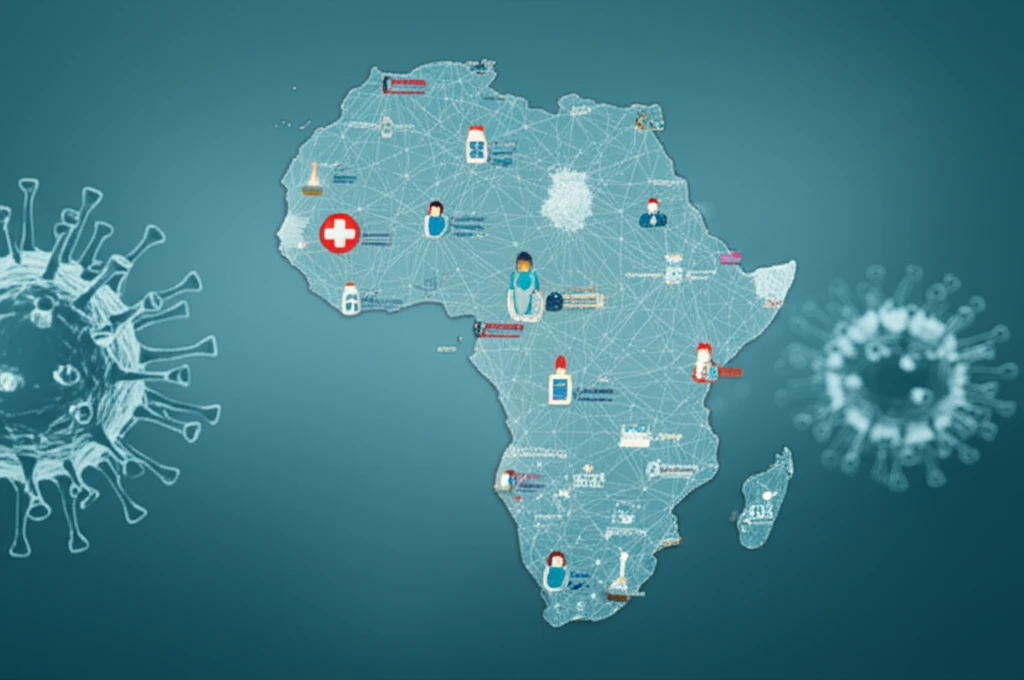
Stylized map of Africa with interconnected healthcare nodes, symbolizing pandemic preparedness.

Ebola Outbreak: How Prepared is Africa for the Next Pandemic?

"Lessons from the 2014 Ebola Virus Outbreak and the Path to Strengthening Biosecurity in Africa"


In 2014, the Ebola virus outbreak in West Africa exposed critical vulnerabilities in the continent's public health infrastructure. The rapid spread of the disease highlighted the urgent need for improved preparedness and response strategies. With a young population and abundant wildlife, Africa faces unique challenges in preventing and managing outbreaks of infectious diseases.

Many African countries struggle with underdeveloped healthcare systems, inadequate research facilities, and a lack of robust legislation to combat disease outbreaks. These factors, combined with cross-border movement and cultural practices, increase the risk of widespread contagion. The Ebola crisis served as a stark reminder of the potential consequences of these weaknesses.

To address these challenges, African nations must prioritize strengthening their biosecurity and biodefense capabilities. This includes developing comprehensive policies, investing in research infrastructure, and fostering collaboration among regional and international partners. By learning from the lessons of the 2014 Ebola outbreak, Africa can better protect its population and prevent future pandemics.

Strengthening Policy Frameworks for Pandemic Preparedness

Stylized map of Africa with interconnected healthcare nodes, symbolizing pandemic preparedness.

One of the key lessons from the Ebola outbreak is the need for stronger policy frameworks at the regional and continental levels. A coordinated approach is essential to effectively manage and contain outbreaks that can easily cross national borders. Such policies should outline clear steps for member states to follow when a contagious disease is suspected.

A regional policy would ensure that all countries are on the same page, facilitating a more unified and effective response. This includes establishing standardized protocols for surveillance, quarantine, and treatment. By working together, African nations can leverage their collective resources and expertise to combat infectious diseases.

  • Develop Regional Policies: Create standardized protocols for disease surveillance, quarantine, and treatment across member states.
  • Adopt Model Legislation: Encourage countries to enact laws that support biosecurity and biodefense efforts.
  • Foster Collaboration: Promote information sharing and joint training exercises among African nations.
By prioritizing policy development, African nations can create a more resilient and coordinated response to future outbreaks. This will not only protect public health but also safeguard economic stability and regional security. With strong policies in place, Africa can better mitigate the impact of infectious diseases and prevent them from spiraling into full-blown crises.

The Imperative of Preparedness

The Ebola outbreak served as a critical wake-up call for Africa, underscoring the urgent need for improved preparedness and response strategies. By prioritizing policy development, investing in research infrastructure, and fostering collaboration, African nations can better protect their populations and prevent future pandemics. The time to act is now, ensuring that the continent is ready to face the challenges of emerging infectious diseases.

About this Article -

This article was crafted using a human-AI hybrid and collaborative approach. AI assisted our team with initial drafting, research insights, identifying key questions, and image generation. Our human editors guided topic selection, defined the angle, structured the content, ensured factual accuracy and relevance, refined the tone, and conducted thorough editing to deliver helpful, high-quality information.See our About page for more information.

This article is based on research published under:

DOI-LINK: 10.4172/2157-2526.1000e112, Alternate LINK

Title: Biosecurity And Biodefense: Lessons From Ebola Virus Outbreak

Subject: General Medicine

Journal: Journal of Bioterrorism & Biodefense

Publisher: OMICS Publishing Group

Authors: Phiyani Lebea

Published: 2015-01-01

Everything You Need To Know

1

What were the main vulnerabilities exposed by the 2014 Ebola outbreak in Africa?

The 2014 Ebola virus outbreak revealed critical weaknesses in Africa's public health infrastructure. The rapid spread of the Ebola virus highlighted an urgent need for improved preparedness and response strategies. Addressing this requires focusing on policy, infrastructure, and research. The implications are severe, as underdeveloped healthcare systems, inadequate research facilities, and weak legislation increase the risk of widespread contagion, potentially leading to a full-blown crisis.

2

What steps are necessary for African nations to strengthen their biosecurity and biodefense capabilities?

To strengthen biosecurity and biodefense, African nations must develop comprehensive policies at regional and continental levels. These policies should outline clear steps for member states, including standardized protocols for surveillance, quarantine, and treatment. Additionally, adopting model legislation and fostering collaboration are crucial. This coordinated approach ensures a unified and effective response to contain outbreaks, leveraging collective resources and expertise to protect public health, economic stability, and regional security.

3

How do underdeveloped healthcare systems and inadequate research facilities impact disease outbreak risks?

The underdeveloped healthcare systems and inadequate research facilities significantly increase the risk of widespread contagion. These weaknesses, combined with cross-border movement and cultural practices, create an environment where diseases can spread rapidly. The absence of robust legislation to combat outbreaks further exacerbates the problem. Investing in research infrastructure and fostering collaboration among regional and international partners are essential steps to mitigate these risks, ensuring the continent is prepared for future health challenges.

4

What is the role of preparedness in preventing future pandemics, and what actions does it involve?

The 2014 Ebola virus outbreak served as a wake-up call, highlighting the urgent need for improved preparedness. This involves strengthening policy frameworks, investing in research infrastructure, and fostering collaboration. Policy development includes regional policies with standardized protocols for disease surveillance, quarantine, and treatment. Encouraging countries to enact laws that support biosecurity and biodefense and promoting information sharing and joint training exercises are all vital steps. Prioritizing these actions helps protect populations, safeguard economic stability, and prevent infectious diseases from escalating into crises.

5

What is the significance of investing in research infrastructure in the context of preventing future pandemics?

Investing in research infrastructure is a key part of the response to potential outbreaks. This entails creating facilities, and providing the resources necessary to study diseases, develop effective treatments, and improve diagnostic capabilities. Along with stronger policy frameworks and international collaborations, research enables proactive measures, early detection, and the ability to contain outbreaks effectively. The implications of this are that Africa can better protect its population and prevent future pandemics. The time to act is now, ensuring that the continent is ready to face the challenges of emerging infectious diseases.

Newsletter Subscribe

Subscribe to get the latest articles and insights directly in your inbox.