
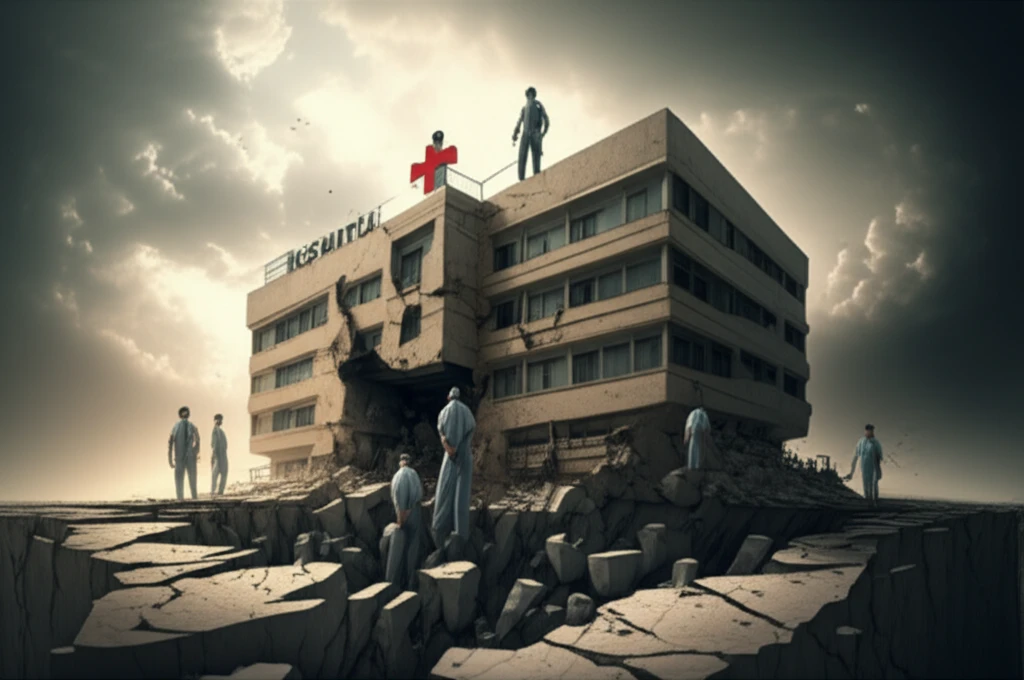
A symbolic image representing the impact of funding cuts on East Jerusalem hospitals.

East Jerusalem Hospitals Face Crisis: How Funding Cuts Impact Healthcare Access

"A closer look at the implications of reduced American aid on the East Jerusalem Hospital Network and the Palestinian community's healthcare."


The recent decision by the U.S. government to cut up to $25 million in funding from the East Jerusalem Hospital Network has sparked widespread concern among healthcare professionals and humanitarian organizations. This network, comprising six vital institutions, serves as the primary provider of specialized medical care for Palestinians in the West Bank and Gaza Strip.

These hospitals—Makassed Islamic Charitable Hospital, Augusta Victoria Hospital, Red Crescent Maternity Hospital, St John's Eye Hospital, Princess Basma Rehabilitation Centre, and St Joseph's Hospital—offer critical services that the Palestinian Authority's Ministry of Health is unable to provide. These include cancer treatment, cardiac and eye surgeries, neonatal intensive care, and rehabilitation services for children. For years, they have been a lifeline for a population with limited access to advanced medical care.

The American people have a history of generous support for both Israelis and Palestinians, including significant contributions to the healthcare sector. While the U.S. government has the prerogative to allocate aid as it sees fit, the sudden reduction in funding for these hospitals threatens to undermine the health and well-being of the Palestinian population significantly.

Why Are East Jerusalem Hospitals Essential for Palestinian Healthcare?

A symbolic image representing the impact of funding cuts on East Jerusalem hospitals.

The East Jerusalem Hospitals form a critical component of the healthcare ecosystem for Palestinians in the West Bank and Gaza. These institutions provide specialized medical services that are often unavailable elsewhere due to resource constraints and logistical challenges.

These hospitals are essential not just for providing care but also for maintaining a degree of stability in a region marked by political and social unrest. Here’s a closer look at what they provide:

  • Specialized Treatments: Offering treatments such as cancer care, advanced cardiac procedures, and eye surgeries.
  • Maternal and Neonatal Care: Providing crucial maternity services and neonatal intensive care.
  • Rehabilitation Services: Supplying physical and rehabilitative care, particularly important for children with disabilities.
  • Dialysis for Children: Aiding young patients with kidney failure through specialized dialysis treatments.
These hospitals play a pivotal role in the overall health infrastructure, and any disruption to their operations can have far-reaching effects on the communities they serve.

A Call for Reconsideration

As medical professionals committed to the well-being of all individuals, the authors of the original editorial express deep concern over the potential harm that these funding cuts could inflict. They urge decision-makers to reconsider this decision, emphasizing that healthcare should remain separate from political considerations. Maintaining support for these hospitals is crucial to ensuring that Palestinians continue to have access to the medical care they urgently need.

About this Article -

This article was crafted using a human-AI hybrid and collaborative approach. AI assisted our team with initial drafting, research insights, identifying key questions, and image generation. Our human editors guided topic selection, defined the angle, structured the content, ensured factual accuracy and relevance, refined the tone, and conducted thorough editing to deliver helpful, high-quality information.See our About page for more information.

This article is based on research published under:

DOI-LINK: 10.2105/ajph.2018.304792, Alternate LINK

Title: American Funding Cutback To East Jerusalem Hospitals: A Blow To The Health Of The City

Subject: Public Health, Environmental and Occupational Health

Journal: American Journal of Public Health

Publisher: American Public Health Association

Authors: A. Mark Clarfield, Karl Skorecki, Ora Paltiel, Shimon M. Glick, Rafi Beyar, Dina Ben Yehuda, Rivka Carmi, Ziv Gil, Salem Billan, Zaher Azzam, Fuad Basis, Ephrat Levy-Lahad, Amnon Lahad, Shai Izraeli, Dan Turner, Yonatan Halevy

Published: 2018-12-01

Everything You Need To Know

1

What specific medical services are provided by the East Jerusalem Hospital Network that are critical for Palestinians?

The East Jerusalem Hospital Network, which includes Makassed Islamic Charitable Hospital, Augusta Victoria Hospital, Red Crescent Maternity Hospital, St John's Eye Hospital, Princess Basma Rehabilitation Centre, and St Joseph's Hospital, offers specialized medical services such as cancer treatment, cardiac and eye surgeries, neonatal intensive care, and rehabilitation services for children. These services are often not sufficiently available through the Palestinian Authority's Ministry of Health due to resource limitations and logistical challenges, making these hospitals a vital lifeline for the Palestinian population.

2

Why is the U.S. government's decision to cut funding to the East Jerusalem Hospital Network so concerning?

The decision to cut up to $25 million in funding is concerning because the East Jerusalem Hospital Network serves as the primary provider of specialized medical care for Palestinians in the West Bank and Gaza Strip. These hospitals offer critical services, including cancer treatment, advanced cardiac procedures, and neonatal intensive care, that the Palestinian Authority's Ministry of Health is unable to fully provide. A reduction in funding threatens to undermine the health and well-being of the Palestinian population who rely on these hospitals for advanced medical care.

3

How do the East Jerusalem Hospitals contribute to the stability of the Palestinian community beyond just providing medical treatment?

Beyond providing specialized treatments such as cancer care, advanced cardiac procedures, eye surgeries, maternal and neonatal care, rehabilitation services, and dialysis for children, the East Jerusalem Hospitals maintain a degree of stability in a region marked by political and social unrest. By ensuring access to essential healthcare services, these hospitals reduce the likelihood of further destabilization that could arise from unmet medical needs and health crises within the Palestinian community. This healthcare support is crucial for social and regional stability.

4

What impact could the reduced funding have on specialized treatments like cancer care and cardiac procedures provided by the East Jerusalem Hospitals?

Reduced funding could severely limit the capacity of the East Jerusalem Hospitals, including Makassed Islamic Charitable Hospital and Augusta Victoria Hospital, to provide specialized treatments. This includes cancer care, advanced cardiac procedures, and eye surgeries. These institutions play a crucial role because the Palestinian Authority's Ministry of Health often lacks the resources to provide these services adequately. The cuts could lead to longer wait times, reduced access to necessary treatments, and potentially worsen health outcomes for Palestinian patients reliant on these specialized services.

5

What role do hospitals such as Princess Basma Rehabilitation Centre and St John's Eye Hospital play within the East Jerusalem Hospital Network, and how could funding cuts impact their specific contributions?

Princess Basma Rehabilitation Centre provides physical and rehabilitative care, particularly important for children with disabilities, while St John's Eye Hospital offers critical eye care and surgeries. Funding cuts could significantly impair their ability to offer these specialized services. A reduction in funding might lead to decreased availability of rehabilitation programs for children, limiting their potential for recovery and integration into society. Similarly, reduced support for St John's could increase the prevalence of preventable blindness and eye-related conditions within the Palestinian population, further straining the healthcare system.

Newsletter Subscribe

Subscribe to get the latest articles and insights directly in your inbox.