
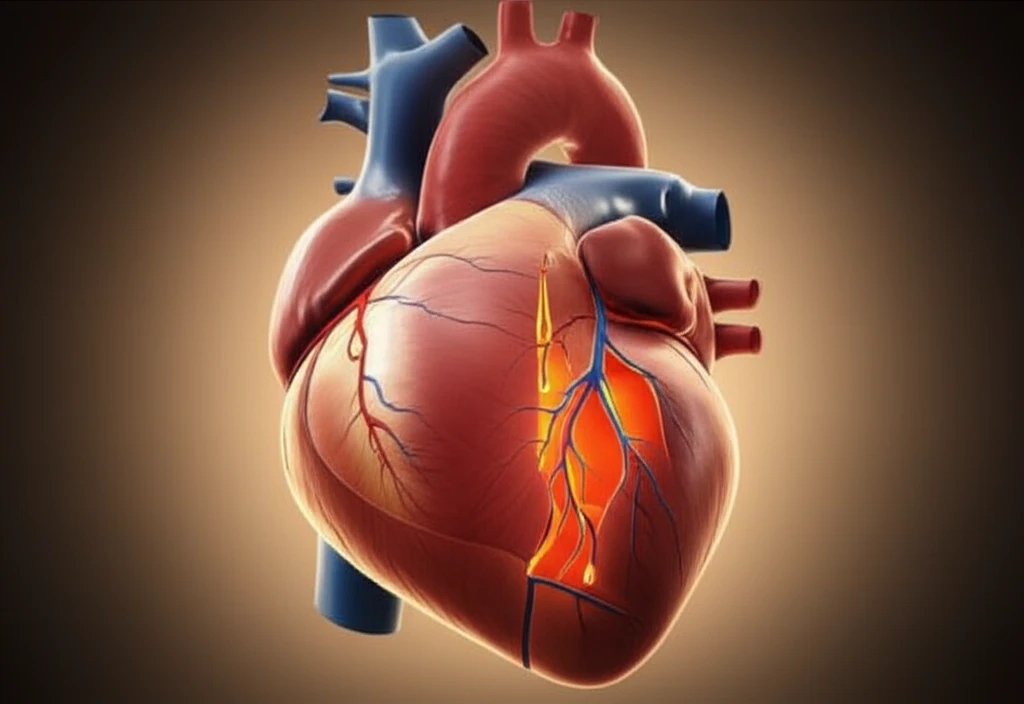
Easing the Burden: How Alcohol Septal Ablation Offers Hope for Hypertrophic Cardiomyopathy Patients

"A minimally invasive procedure offers a lifeline to those battling the debilitating effects of hypertrophic cardiomyopathy, improving heart function and quality of life."
Hypertrophic cardiomyopathy (HCM) affects an estimated 60 to 170 out of every 100,000 people. In a significant number of cases, this condition leads to obstructive HCM (HOCM), where the heart muscle thickens and blocks blood flow. This obstruction can cause a range of debilitating symptoms, including diastolic heart failure, irregular heart rhythms, and even sudden cardiac death.
While medications and lifestyle changes can help manage HCM, some patients require more invasive interventions to improve their heart function and alleviate symptoms. Alcohol septal ablation is emerging as a promising treatment option for carefully selected individuals with HOCM. This procedure involves injecting a small amount of alcohol into the septal artery, causing a controlled reduction in the thickness of the overgrown heart muscle and improving blood flow.
This article explores alcohol septal ablation as a valuable therapeutic approach, drawing upon findings from a study conducted at Clermont-Ferrand teaching Hospital. We'll examine how this procedure can significantly improve the lives of patients with HOCM, offering them a less invasive alternative to open-heart surgery and a renewed sense of hope.
Alcohol Septal Ablation: A Step-by-Step Explanation
Alcohol septal ablation is a minimally invasive procedure performed by interventional cardiologists. Here's a breakdown of the key steps involved:
- Targeting the Right Area: Contrast dye is injected through the catheter under echocardiographic guidance (imaging of the heart) to precisely identify the area of thickened heart muscle that needs to be addressed.
- Alcohol Injection: Once the target area is located, a small amount of pure alcohol (typically 1-2 milliliters) is slowly injected into the selected septal artery. This alcohol causes a localized, controlled injury to the heart muscle, leading to its gradual thinning over time.
- Monitoring and Recovery: Throughout the procedure, the patient's heart rhythm, blood pressure, and overall condition are carefully monitored. After the alcohol injection, the patient is closely observed in the intensive care unit for several days to watch for any potential complications. This may include rhythm disturbances or conduction block, a condition affecting the heart's electrical system.
A Promising Path Forward
Alcohol septal ablation offers a valuable treatment option for carefully selected patients with hypertrophic obstructive cardiomyopathy. By reducing the obstruction to blood flow, this minimally invasive procedure can alleviate symptoms, improve heart function, and enhance quality of life. While potential complications exist, the benefits of alcohol septal ablation often outweigh the risks, providing a renewed sense of hope for those living with this challenging heart condition.