
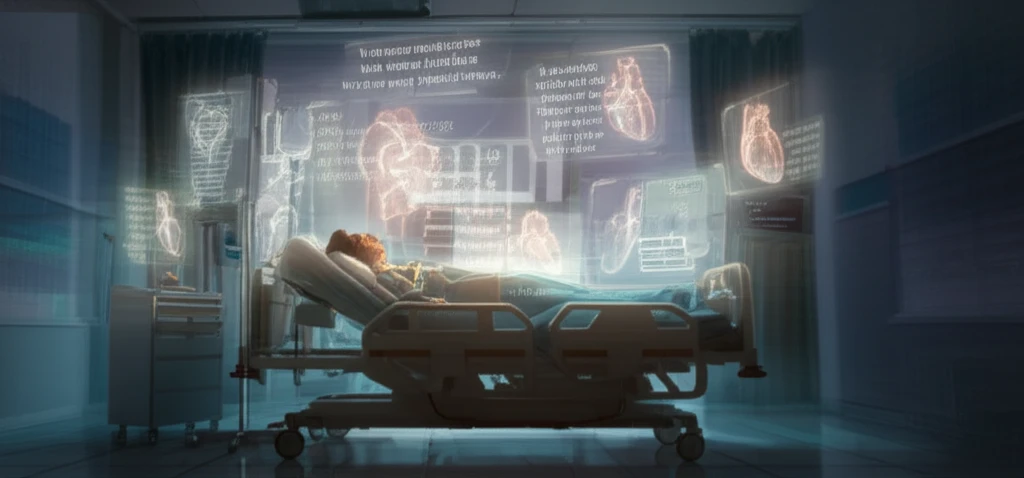
Easing Cardiac Surgery Fears: How Video Orientations Lead to Better Patient Outcomes

"New research highlights the power of video resources in preparing heart surgery patients, leading to increased knowledge retention and reduced anxiety."
In the realm of modern medicine, cardiac surgery stands as a testament to our ability to combat life-threatening conditions. As techniques advance and the prevalence of heart disease rises, procedures like myocardial revascularization become increasingly vital for extending and improving lives. However, the complexity of these interventions can be daunting for patients.
Many individuals face a significant knowledge gap when confronted with the prospect of heart surgery. This lack of understanding, coupled with the anxiety that naturally arises before such a major event, can hinder their ability to fully grasp essential information. To address this challenge, healthcare providers are exploring innovative ways to enhance preoperative orientation, ensuring patients are well-prepared, both mentally and emotionally, for their upcoming procedure.
Traditionally, preoperative orientation relies heavily on verbal communication. While valuable, this approach can be susceptible to various limitations, including environmental distractions, patient anxiety levels, and the cognitive capacity of the individual. Moreover, the effectiveness of verbal instruction can vary depending on the skills and approach of the healthcare professional delivering the information. As a result, there's growing interest in alternative methods, such as audiovisual aids, to supplement and enhance the orientation process.
Video Killed the Anxiety Star: A New Approach to Cardiac Care
Recognizing the need for more effective patient education, a recent study published in the journal Revista da Associação Médica Brasileira investigated the impact of video resources on preoperative orientation for cardiac surgery patients. Researchers Ana Paula Amestoy de Oliveira, Emiliane Nogueira de Souza, and Lucia Campos Pellanda conducted a randomized clinical trial to compare the effectiveness of video-assisted orientation with traditional verbal instruction.
- Intervention Group (IG): Received bedside orientation with a short video and slide presentation.
- Control Group (CG): Received standard verbal orientation.
- Blinded Analysis: Allocation and knowledge assessment were performed with researchers blinded to group assignment.
- Statistical Rigor: Data was analyzed based on the intention-to-treat principle to ensure unbiased results.
Empowering Patients Through Knowledge
This study underscores the potential of audiovisual resources to transform preoperative orientation for cardiac surgery patients. By providing clear, concise, and engaging information through video and visual aids, healthcare professionals can empower patients with the knowledge they need to face their procedure with greater confidence and reduced anxiety. As healthcare continues to evolve, embracing innovative approaches like video orientation will be crucial for optimizing patient outcomes and enhancing the overall surgical experience.