
Early Cancer Detection Breakthrough: How Exosome Analysis is Revolutionizing Diagnostics

"Scientists develop a cutting-edge technique using Raman spectroscopy to identify cancer-specific biomarkers in exosomes, paving the way for earlier, more accurate diagnoses."
In the relentless battle against cancer, early detection is often the most powerful weapon. The sooner a diagnosis is made, the better the chances of successful treatment and survival. However, many cancers are notoriously difficult to detect in their early stages, often remaining silent until they have progressed significantly. But, what if there was a way to catch cancer in its tracks, long before symptoms even appear?
Recent advancements in medical research have turned the spotlight on exosomes – tiny vesicles released by cells throughout the body. These exosomes carry a wealth of information about their cellular origin, acting as messengers that can reveal a cell's health status. Scientists have now developed an innovative technique utilizing surface-enhanced Raman spectroscopy (SERS) to analyze these exosomes, and unlock a new era of early cancer detection. This approach holds tremendous promise for improving patient outcomes and revolutionizing cancer care.
This article delves into the groundbreaking research that leverages the power of exosomes and SERS. We will explore the science behind this innovative technique, the potential it holds for early cancer detection, and the impact it could have on the future of healthcare. Prepare to be amazed by this incredible advancement in medical science, and discover how it could change the way we fight cancer.
Decoding Exosomes: The Body's Secret Messengers
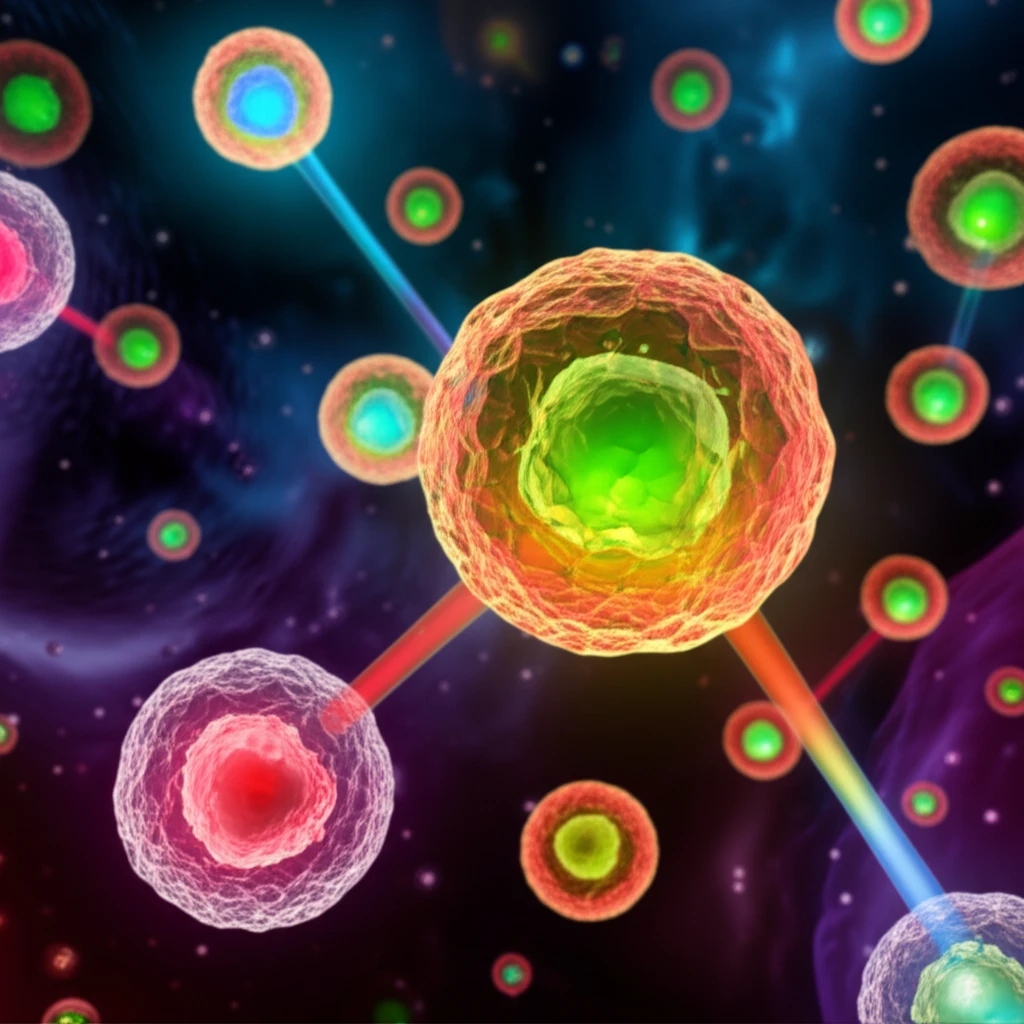
Exosomes are like tiny bubbles, released by cells throughout the body. These vesicles, ranging from 30 to 150 nanometers in size, contain a diverse cargo of molecules, including proteins, nucleic acids (like DNA and RNA), and lipids. Think of them as miniature packages, each bearing a unique signature reflective of the cell from which it originated.
- Intercellular Communication: Exosomes act as messengers, facilitating communication between cells.
- Cargo Carriers: They transport proteins, nucleic acids, and lipids, reflecting the cell's state.
- Cancer Biomarkers: Cancer-derived exosomes carry specific molecules that can reveal the presence and progression of tumors.
The Future of Cancer Detection: A New Horizon
The development of exosome analysis with SERS marks a significant leap forward in the fight against cancer. This innovative approach offers the potential for earlier, more accurate diagnoses, leading to improved patient outcomes and a brighter future for those affected by this devastating disease. As research continues and the technology evolves, we can anticipate even more remarkable breakthroughs in the years to come, bringing us closer to a world where cancer is no longer a life-threatening illness, but a manageable condition.