
Drug Metabolism's Next Wave: Emerging Models Transforming Toxicity Testing

"Discover how innovative lab models are revolutionizing drug development, offering more accurate predictions of drug safety and effectiveness."
For decades, drug development has relied on traditional methods like liver microsomes and animal models to understand how our bodies process medications. These tools help scientists predict drug metabolism, transportation, and potential toxicity. However, these traditional methods have limitations. Animal models don't always perfectly mimic human responses, and simpler lab tests can't capture the complexity of the whole body.
But now, we're on the cusp of a revolution in drug development. New technologies are emerging that offer more realistic and integrated ways to study how drugs behave in the human body. This article delves into these exciting models, offering a glimpse into the future of safer, more effective medications. We will explore a special collection of expert insights and research focused on these cutting-edge approaches to drug metabolism and disposition.
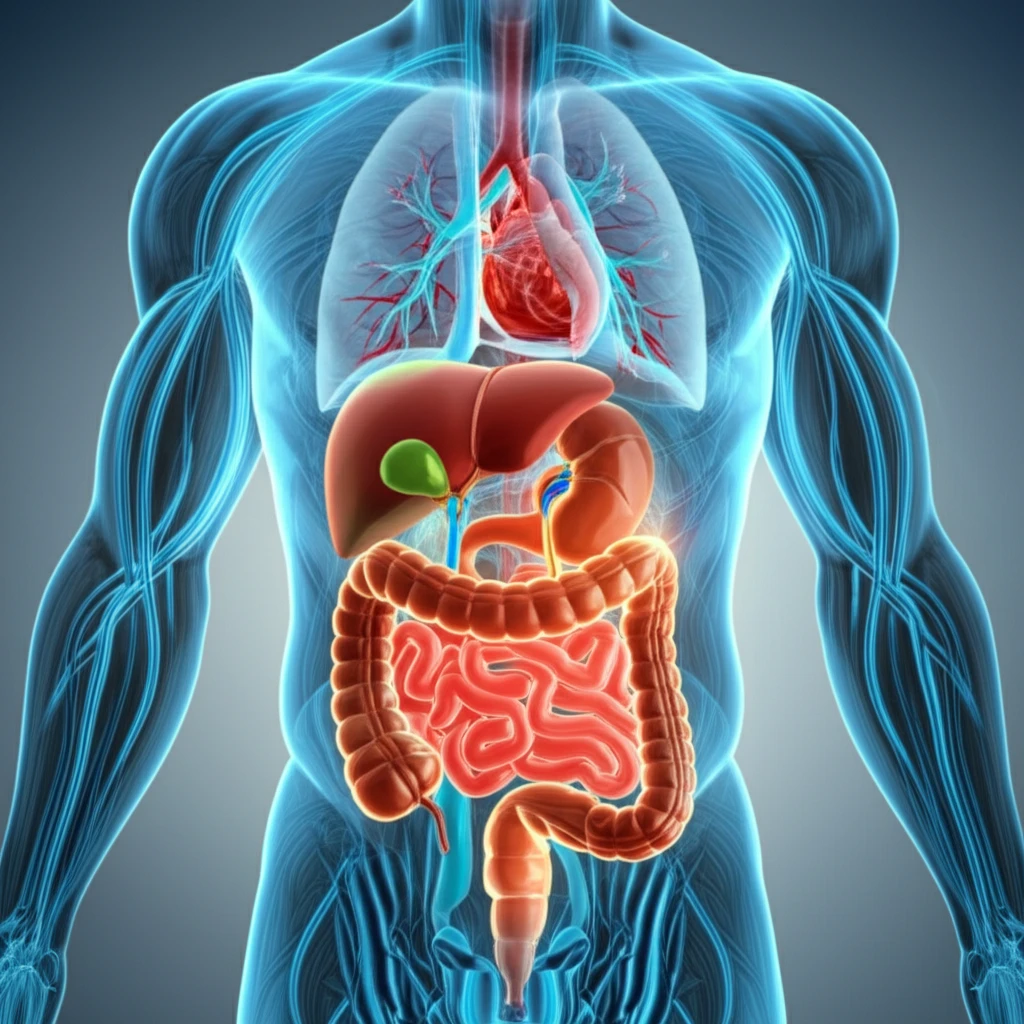
This article highlights the advancements in creating complex systems that better represent how drugs interact within the human body. From sophisticated models of the gut and liver to 'humanized' animal models, we will explore how these innovations aim to bridge the gap between the lab and the patient, ultimately leading to better drug development outcomes.
The Next-Gen Models: A Closer Look
Let's explore some of the key advancements in modeling specific organs and systems:
- Mucosal Epithelium & Cryopreserved Enterocytes: Optimizing these allows for studying intestinal metabolism and toxicity.
- iPSC-Derived Enterocytes: Turning induced pluripotent stem cells into functional gut cells.
- Intestinal Organoids: Bioengineered from intestinal crypts, mucosal extracts, or iPSCs.
The Future is Now: Better Predictions, Safer Drugs
These new models hold immense promise for improving how we predict drug behavior in humans. By creating systems that better mimic the complexity of the human body, scientists can gain valuable insights into drug metabolism, potential drug-drug interactions, and toxicity risks.
The ultimate goal is to reduce uncertainty in drug development and create safer, more effective treatments. As these technologies become more refined and validated, they have the potential to transform drug development, leading to better outcomes for patients.
The tools and technologies that were once cutting-edge are now routine. The innovative approaches discussed in this special issue pave the way for the future of drug disposition research.