
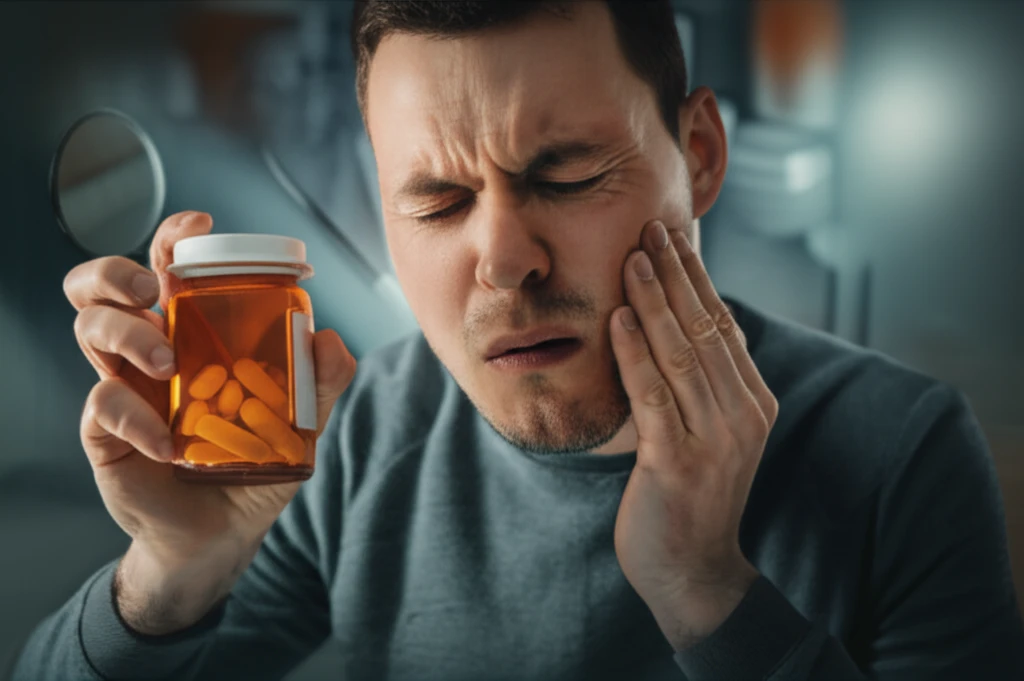
DIY Dentistry: Why Popping Pills for Tooth Pain Could Cost You More Than Just Money

"Unmasking the risks and hidden costs of self-treating dental problems with over-the-counter medications."
That twinge in your tooth can be a major disruption, and it's tempting to reach for a quick fix in your medicine cabinet. Self-medication, defined as using drugs without a doctor's prescription for self-diagnosed conditions, is a widespread practice for dental problems. While it might seem like a convenient solution, especially with easy access to over-the-counter (OTC) drugs, understanding the potential consequences is crucial.
The World Health Organization (WHO) acknowledges the role of responsible self-medication in certain situations, particularly in underserved areas where access to healthcare professionals is limited. However, the line between responsible self-care and risky behavior can be blurry. While self-medication might offer temporary relief, it often addresses only the symptoms, potentially masking underlying issues that require professional attention.
This article sheds light on the prevalence of self-medication for dental problems, explores the common drugs used, and highlights the potential risks involved. We'll also delve into the reasons why people choose to self-medicate and, most importantly, emphasize why consulting a dentist is essential for long-term oral health and overall well-being.
The Hidden Costs of Ignoring Your Dentist
A recent study conducted in Karachi, Pakistan, examined the self-medication practices among patients visiting dental outpatient departments (OPDs). The findings revealed that a significant portion of patients – a staggering 69.9% – admitted to self-medicating for dental ailments. This highlights just how common this practice is, even when professional dental care is accessible.
- Masking the Real Problem: Self-medicating often only treats the symptoms, like pain, without addressing the underlying dental issue. This can lead to a delay in proper diagnosis and treatment, allowing the problem to worsen.
- Antibiotic Resistance: Inappropriate antibiotic use is a major concern. Taking antibiotics when they're not needed, or not completing the full course, contributes to antibiotic resistance, making infections harder to treat in the future.
- Adverse Reactions: The study found that over half (51.4%) of those who self-medicated experienced adverse effects, including nausea (26.4%), diarrhea (10.8%), and vomiting (8.1%). These side effects can range from uncomfortable to potentially dangerous.
- Incorrect Dosage and Duration: Without professional guidance, it's easy to take the wrong dosage of medication or use it for too long or too short a period. This can reduce the drug's effectiveness or increase the risk of side effects.
The Takeaway: Your Teeth Are Worth More Than a Pill
Self-medication for dental problems is a common practice, but it's a risky one. While over-the-counter medications can provide temporary relief, they don't address the underlying causes of dental issues and can even lead to further complications. The study in Karachi highlights the prevalence of this practice and the potential dangers involved, including antibiotic resistance and adverse reactions.
The decision to prioritize convenience or cost savings over professional dental care can have significant long-term consequences. Untreated dental problems can worsen, leading to more extensive and expensive treatments in the future. Moreover, poor oral health has been linked to various systemic diseases, including heart disease and diabetes, impacting your overall well-being.
Don't let a throbbing toothache lead you down a path of self-medication and potential complications. Schedule an appointment with your dentist. Regular check-ups and professional care are essential for maintaining a healthy smile and a healthy body. Your teeth will thank you for it!