
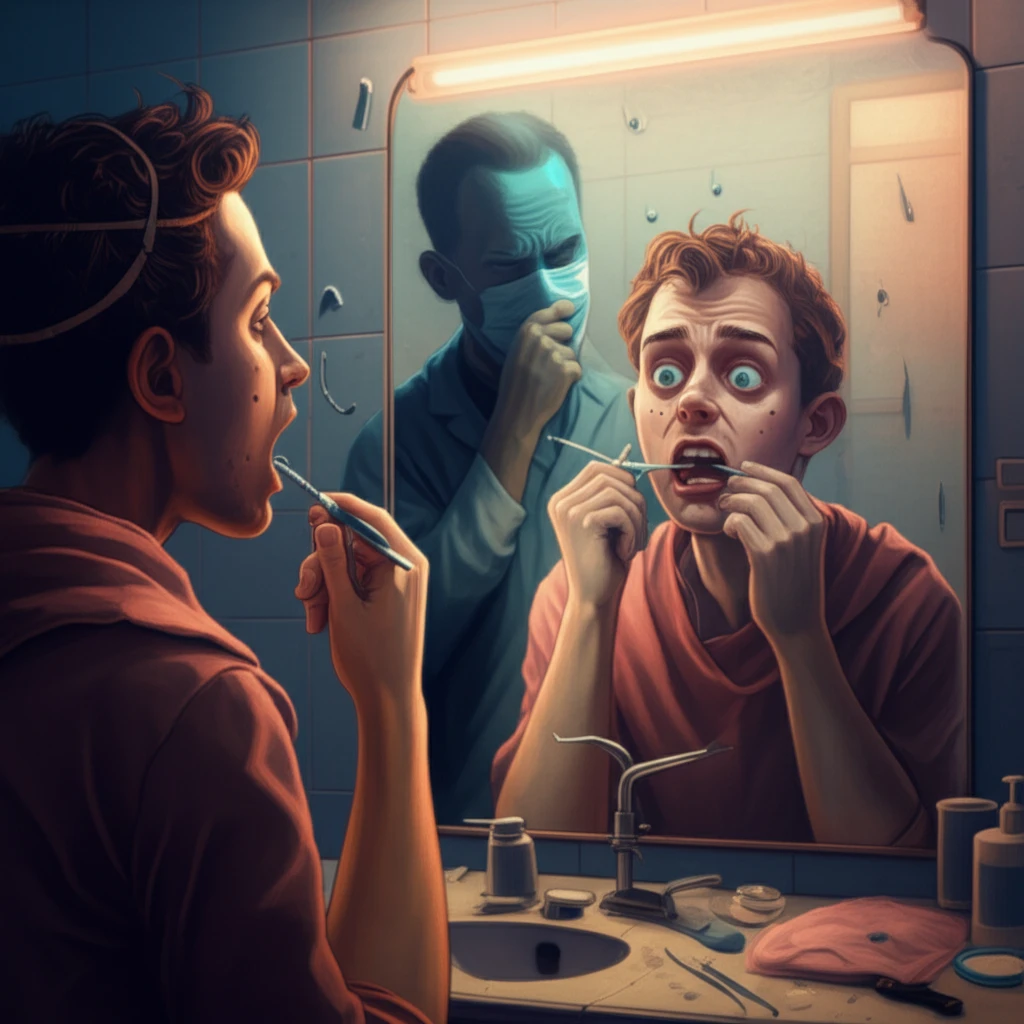
DIY dentistry concept: A person attempting a dental procedure at home with a disapproving dentist in the background.

DIY Dentistry: Is Saving Money Worth the Risk?

"A growing trend of at-home dental care is sending some patients to the emergency room. Learn about the dangers and how to stay safe."


In today's world, accessibility is king. The internet offers solutions for nearly every problem, including dental care. From mail-order aligners to over-the-counter teeth whitening kits, DIY dentistry is becoming increasingly popular. Lured by the promise of cost savings and convenience, many are taking their dental health into their own hands.

However, dental professionals are raising concerns about the safety and efficacy of these DIY treatments. Without proper diagnosis and supervision, at-home dental procedures can lead to serious complications, some requiring emergency intervention. This article explores several cases that highlight the risks associated with DIY dentistry.

We will delve into specific examples of DIY dental mishaps, explain the potential dangers involved, and provide guidance on how to make informed decisions about your oral health. Our goal is to empower you with the knowledge to protect your smile and overall well-being.

Tangled Upper Lip: When a Beauty Gadget Turns Problematic

DIY dentistry concept: A person attempting a dental procedure at home with a disapproving dentist in the background.

A recent case reported in the British Dental Journal illustrates the unexpected dangers of seemingly harmless beauty devices. A 20-month-old boy was brought to the emergency department after a battery-powered dry skin remover became entangled in his upper lip. The device, intended for foot care, had been placed against the child's face while his mother's back was turned.

The device's abrasive blade caught the child's lip, causing it to become trapped. Despite the mother's attempts to dislodge the device after removing the battery, the lip remained tangled. This situation underscores how quickly everyday objects can become hazardous, especially for young children.

  • Unsupervised Use: The child was using the device unsupervised, highlighting the importance of keeping potentially dangerous items out of reach.
  • Device Malfunction: The design of the device, with its exposed rotating blade, posed a risk of entanglement.
  • Emergency Intervention: The child required general anesthesia to safely remove the device, demonstrating the severity of the situation.
This case serves as a reminder that even products designed for personal care can cause significant injury if misused or if their design presents inherent risks. Parents and caregivers should exercise caution and vigilance when using such devices around children.

Protecting Your Smile: Informed Decisions for a Lifetime

The cases discussed highlight the importance of consulting with qualified dental professionals before pursuing any DIY treatments. A dentist can properly assess your oral health needs, recommend appropriate treatments, and supervise your progress to ensure safety and effectiveness.

While the allure of saving money and time may be strong, the potential risks of DIY dentistry far outweigh the perceived benefits. Investing in professional dental care is an investment in your long-term health and well-being.

Ultimately, a healthy smile is a valuable asset. By making informed decisions and prioritizing professional care, you can protect your smile and enjoy the confidence and well-being that comes with it. Always remember, when it comes to your health, professional guidance is priceless.

About this Article -

This article was crafted using a human-AI hybrid and collaborative approach. AI assisted our team with initial drafting, research insights, identifying key questions, and image generation. Our human editors guided topic selection, defined the angle, structured the content, ensured factual accuracy and relevance, refined the tone, and conducted thorough editing to deliver helpful, high-quality information.See our About page for more information.

Everything You Need To Know

1

What is DIY dentistry?

DIY dentistry involves at-home dental care, like orthodontic treatments and teeth whitening solutions. Its rise is fueled by accessibility and the promise of cost savings and convenience. However, it can lead to serious complications without proper diagnosis and supervision. These complications may require emergency intervention.

2

What are the risks associated with DIY dentistry?

DIY dentistry methods pose risks, as highlighted by dental professionals. Without proper diagnosis and supervision, at-home procedures can lead to serious complications. These can include issues that require emergency intervention. This is because individuals may not understand their oral health needs.

3

What happened to the 20-month-old boy, and what does it tell us?

The case of the 20-month-old boy shows how seemingly harmless beauty devices can be dangerous. The child's lip got tangled in a dry skin remover, emphasizing the risks of unsupervised use, device malfunction, and the need for emergency intervention. This illustrates that even products designed for personal care can cause significant injury if misused, especially around children.

4

Why is emergency intervention relevant in this context?

Emergency intervention is required in some DIY dentistry cases, like the boy's lip entanglement. It means that immediate medical attention is needed to resolve complications from at-home treatments or misused devices. It highlights the severity of potential injuries and the importance of professional dental care.

5

Why is professional dental care important?

Consulting qualified dental professionals is crucial before starting any DIY treatments. A dentist can assess your oral health needs, recommend suitable treatments, and supervise your progress, ensuring both safety and effectiveness. This approach minimizes risks and promotes long-term oral health by providing informed decisions.

Newsletter Subscribe

Subscribe to get the latest articles and insights directly in your inbox.