
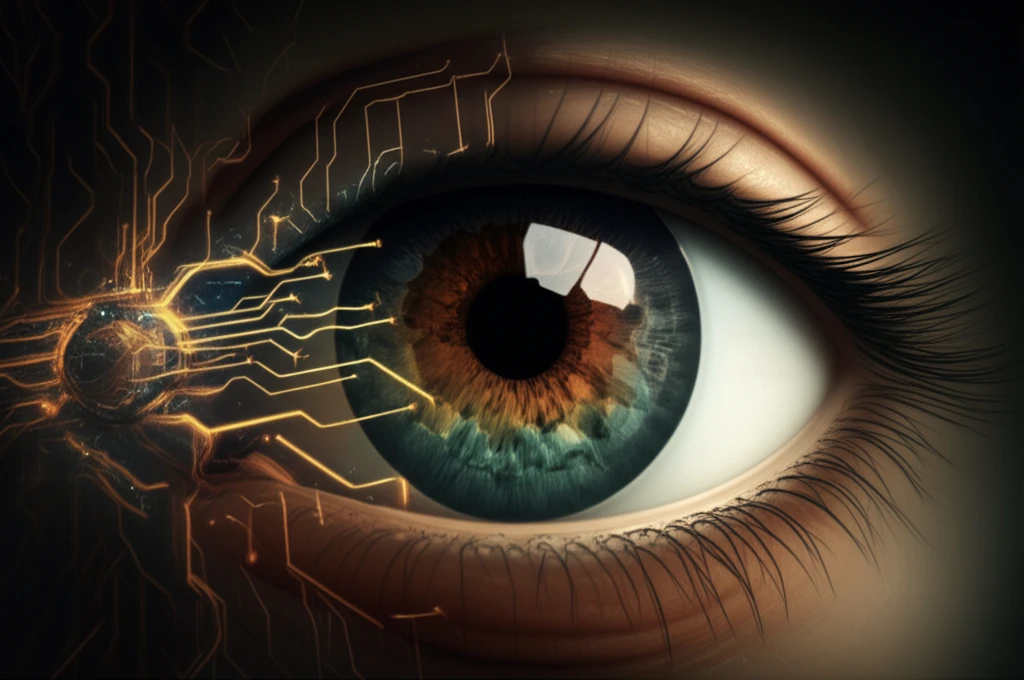
Digital illustration of a stylized human eye with retinal blood vessels transforming into a digital circuit board, symbolizing diabetic retinopathy screening.

Digital Eye Exams: Are They Accurate Enough to Detect Diabetic Retinopathy?

"A new analysis dives into the accuracy of digital retinal imaging for early detection of diabetic retinopathy, a major cause of preventable blindness. Are you getting the best screening?"


Diabetes is a growing global health concern, and one of its serious complications is diabetic retinopathy (DR), which can lead to blindness. Early detection and treatment are key to preventing vision loss, and digital retinal imaging has become a popular screening tool. But how accurate is it, really? That's what a recent systematic review and meta-analysis set out to determine.

The research, published in Systematic Reviews, examined numerous studies on digital retinal imaging for DR screening, looking at factors like whether pupils were dilated, how many images ('fields') were taken of the retina, and the qualifications of the people interpreting the images. The goal was to figure out the best approach for detecting any level of DR, especially in low-resource settings where access to specialized eye care might be limited.

This article breaks down the study's findings, explaining what they mean for people with diabetes, healthcare providers, and anyone interested in the fight against preventable blindness. We'll explore the impact of pupil dilation, the importance of image quality, and the potential for training non-specialists to perform this vital screening.

The Big Question: How Good Are Digital Eye Exams at Finding DR?

Digital illustration of a stylized human eye with retinal blood vessels transforming into a digital circuit board, symbolizing diabetic retinopathy screening.

The study analyzed data from 26 studies involving thousands of people with diabetes. The researchers looked at the sensitivity and specificity of different imaging techniques. Sensitivity refers to how well the test identifies people who actually have DR, while specificity measures how well the test correctly identifies those who don't have the disease. Think of it this way: a highly sensitive test is good at catching almost all cases of DR, while a highly specific test is good at avoiding false alarms.

Here's what the analysis revealed:

  • Pupil Dilation Matters, But Not Always: Imaging with dilated pupils (mydriatic) generally had higher sensitivity, especially when more areas of the retina were photographed. However, after excluding ungradable images, the overall sensitivity between non-mydriatic and mydriatic methods was similar.
  • More Fields, More Information: Strategies that captured more images of the retina (greater than two fields) tended to have higher sensitivity and specificity.
  • Setting Counts: Screening in secondary or tertiary care clinics (specialized settings) showed the best results.
The researchers also found that the qualifications of the image graders mattered. Retinologists (specialists in retinal diseases) generally reported the highest accuracy, but well-trained non-ophthalmologists can also achieve good results.

The Takeaway: What Does This Mean for You?

This study provides valuable insights for improving DR screening programs, particularly in areas with limited resources. The researchers suggest that a non-mydriatic, two-field imaging strategy could be a good starting point for facility-based screening in low-income settings. People with ungradable images should then be referred for further evaluation with dilation.

The research also highlights the need for more context-specific studies in low-income and non-ophthalmic settings. We need to know what works best in different communities to ensure everyone has access to effective DR screening.

Ultimately, the goal is to detect DR early and prevent vision loss. By using the right screening methods and training the right people, we can make a real difference in the lives of people with diabetes.

About this Article -

This article was crafted using a human-AI hybrid and collaborative approach. AI assisted our team with initial drafting, research insights, identifying key questions, and image generation. Our human editors guided topic selection, defined the angle, structured the content, ensured factual accuracy and relevance, refined the tone, and conducted thorough editing to deliver helpful, high-quality information.See our About page for more information.

This article is based on research published under:

DOI-LINK: 10.1186/s13643-018-0846-y, Alternate LINK

Title: Systematic Review And Meta-Analysis Of Diagnostic Accuracy Of Detection Of Any Level Of Diabetic Retinopathy Using Digital Retinal Imaging

Subject: Medicine (miscellaneous)

Journal: Systematic Reviews

Publisher: Springer Science and Business Media LLC

Authors: Mapa Mudiyanselage Prabhath Nishant Piyasena, Gudlavalleti Venkata S. Murthy, Jennifer L. Y. Yip, Clare Gilbert, Tunde Peto, Iris Gordon, Suwin Hewage, Sureshkumar Kamalakannan

Published: 2018-11-07

Everything You Need To Know

1

What is digital retinal imaging, and why is it used?

Digital retinal imaging is a screening tool used to detect diabetic retinopathy (DR). DR is a major cause of preventable blindness for people with diabetes. The study analyzed the accuracy of digital retinal imaging, considering factors like pupil dilation, the number of images taken, and the qualifications of the image interpreters. Early detection through digital retinal imaging and treatment are key to preventing vision loss.

2

What are sensitivity and specificity in the context of digital retinal imaging?

The research evaluated the sensitivity and specificity of digital retinal imaging. Sensitivity is how well the test identifies people who have DR, while specificity is how well the test correctly identifies those who do not have the disease. A highly sensitive test catches almost all cases of DR, whereas a highly specific test avoids false alarms. The analysis explored factors such as pupil dilation, number of retinal images ('fields') and qualifications of the people interpreting the images, which impact the accuracy.

3

How does pupil dilation affect the results of digital retinal imaging?

Pupil dilation, known as mydriatic imaging, generally showed higher sensitivity, especially when more areas of the retina were photographed. The study also found that a non-mydriatic approach can be effective. The recommendation includes the referral of people with ungradable images for further evaluation with dilation, this is critical to ensure the correct DR diagnosis.

4

How does the number of retinal images ('fields') and the setting impact the accuracy of digital retinal imaging?

Capturing more images of the retina, defined as greater than two fields, tended to have higher sensitivity and specificity. The study found that screening in specialized settings such as secondary or tertiary care clinics showed the best results, with retinologists reporting the highest accuracy. This suggests the importance of image quality and the expertise of the people interpreting the images.

5

How does the expertise of image interpreters impact the results?

The qualifications of image graders influence accuracy. Retinologists reported the highest accuracy; however, well-trained non-ophthalmologists can also achieve good results. This has implications for improving diabetic retinopathy (DR) screening programs, particularly in low-resource settings. The study suggests a non-mydriatic, two-field imaging strategy could be a good starting point for facility-based screening in low-income settings.

Newsletter Subscribe

Subscribe to get the latest articles and insights directly in your inbox.