
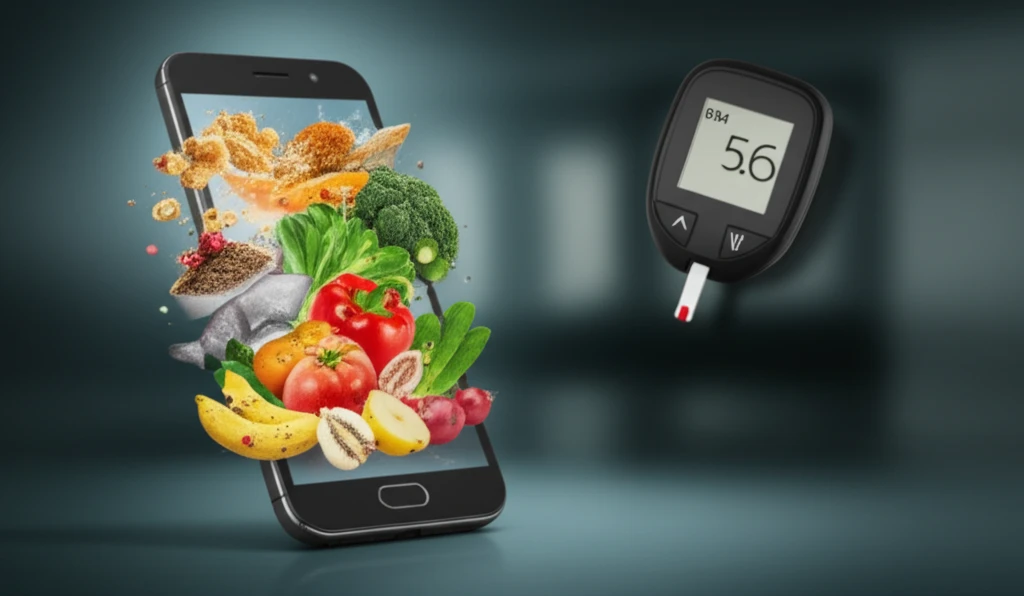
Digital Diabetes Management: Can Tech Tame Type 2?

"A New Meta-Analysis Shows How Digital Interventions Can Improve Blood Sugar Control, Especially for Those Struggling Most."
Over 425 million adults worldwide live with diabetes, with type 2 diabetes accounting for 90% of those cases. Managing this condition effectively is crucial to prevent complications and maintain a good quality of life. Traditional approaches involve medication, diet, and exercise, but integrating digital technologies offers a promising avenue for improved self-management and better health outcomes.
Digital interventions, such as mobile apps and web-based programs, provide accessible tools for monitoring blood glucose levels, promoting physical activity, and supporting healthy eating habits. These technologies offer convenience and personalization, making them attractive options for individuals seeking to take charge of their diabetes management.
A recent systematic review and meta-analysis investigated the effectiveness of digital interventions in improving glycemic control among individuals with poorly controlled type 2 diabetes. The study synthesized data from multiple randomized controlled trials to determine the impact of these interventions on glycated hemoglobin (HbA1c) levels—a key indicator of blood sugar control—and identify specific features that contribute to their success.
Do Digital Tools Really Make a Difference in Diabetes Control?
The meta-analysis, published in Diabetes Technology & Therapeutics, included 23 arms of 21 randomized controlled trials, encompassing a total of 3787 patients. The researchers focused on studies where participants had poorly controlled type 2 diabetes, defined as an HbA1c level above 7.0%. These studies compared the effects of digital interventions to usual care, providing a clear benchmark for evaluating their efficacy.
- Web-Based Interventions: Showed the most promise in lowering HbA1c levels.
- Personalization Matters: Tailored interventions were more effective.
- Target the Right Audience: Interventions were more impactful for those with baseline HbA1c levels above 7.5%.
The Future of Diabetes Care: Digital and Personalized
This meta-analysis underscores the potential of digital interventions to enhance diabetes management, especially for those who find it challenging to achieve adequate glycemic control through traditional methods. By leveraging technology to provide personalized support, promote self-monitoring, and facilitate problem-solving, these tools can empower individuals to take a more active role in their care.
However, the authors also caution that not all digital interventions are created equal. The most effective programs are tailored to individual needs, incorporate evidence-based behavior change techniques, and are designed to address the specific challenges faced by individuals with poorly controlled diabetes. Simply providing information or passively tracking data may not be sufficient to drive meaningful improvements in HbA1c levels.
As technology continues to evolve, future research should focus on refining digital interventions, identifying optimal combinations of BCTs, and tailoring programs to meet the diverse needs of individuals with type 2 diabetes. By harnessing the power of technology and personalized care, we can strive to improve outcomes and enhance the quality of life for millions living with this condition.